Mid-Century Modern on a Budget: How to Get the Look Without Overspending
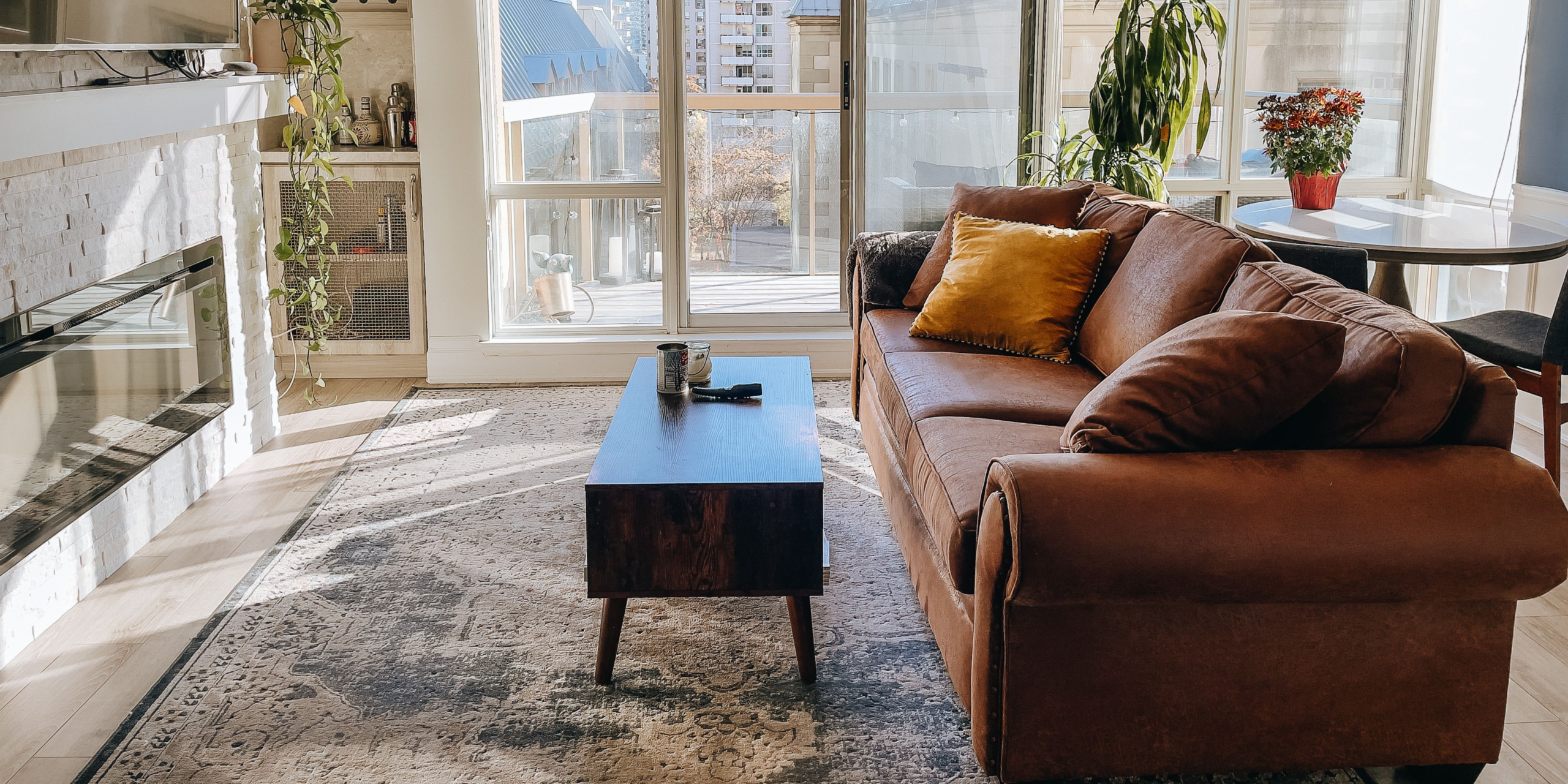
Mid-century modern is one of the most enduringly popular interior design styles in Canada — and also one of the most misunderstood when it comes to budget.
The assumption most people carry is that MCM means expensive. Herman Miller chairs at $2,000. Teak credenzas sourced from Danish estates. Eames loungers that cost more than a month’s rent. And yes, authentic mid-century furniture from the 1950s and 60s does command serious prices at auction and in vintage stores.
But the look — the actual visual language of mid-century modern design — is entirely achievable at a fraction of those prices. Because MCM is defined by principles, not price tags. Get the principles right and the room reads correctly regardless of what you spent to get there.
This guide breaks down exactly what those principles are, where budget buyers consistently go wrong, and how to build a genuinely MCM-inspired home in Canada without overspending.
What Actually Defines Mid-Century Modern
Mid-century modern refers to design produced roughly between 1945 and 1969 — the postwar period when designers like Charles and Ray Eames, Arne Jacobsen, Hans Wegner, and Florence Knoll were rethinking what furniture could look like. The style was a reaction against the heavy, ornate furniture of the prewar era. It prized simplicity, function, natural materials, and the idea that well-designed objects should be accessible — not just for the wealthy.
The irony is that MCM originals have become expensive collector’s items. But the visual language they established is completely reproducible at modern mid-range prices.
The five defining characteristics of MCM design:
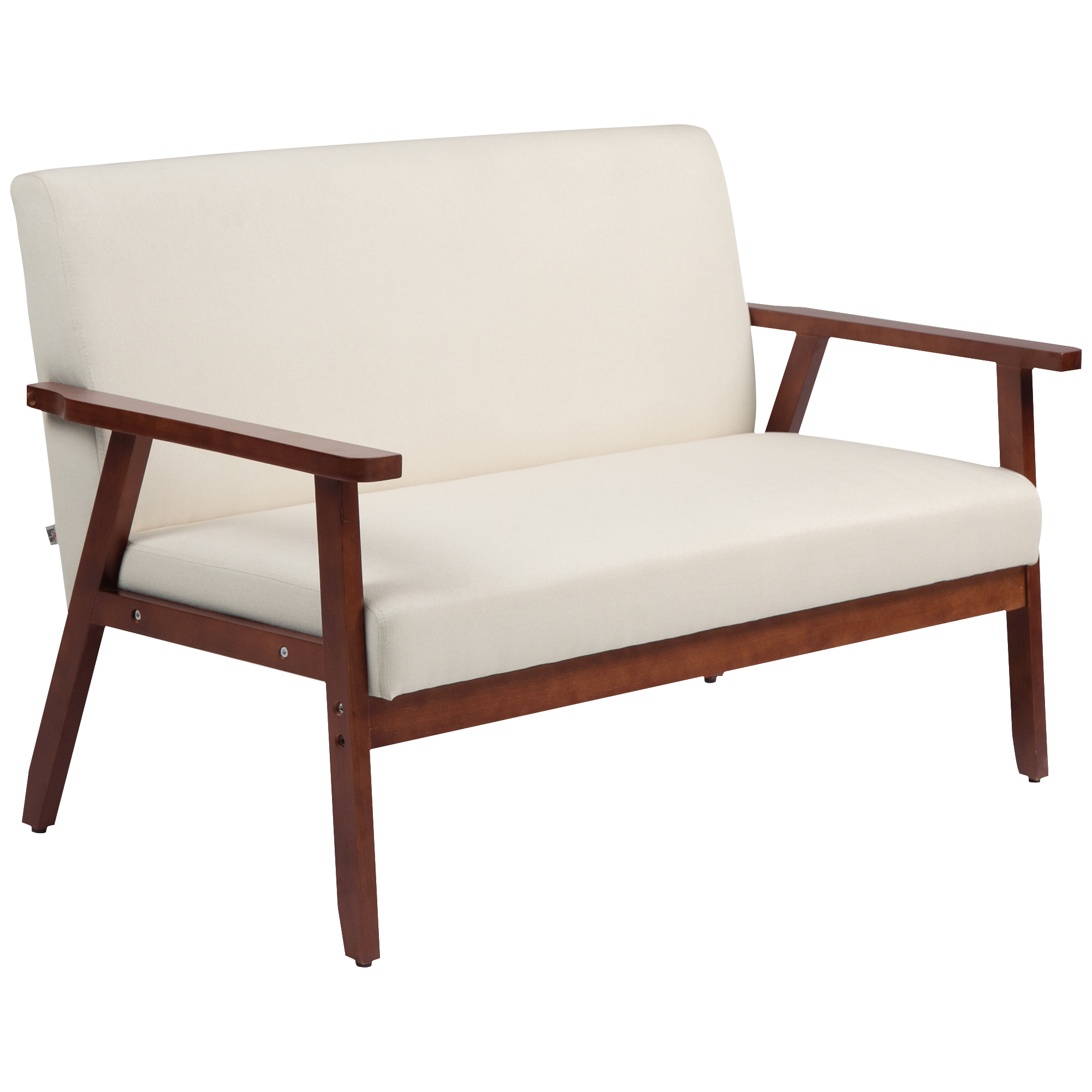
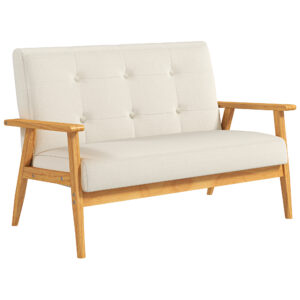
1. Tapered legs. This is the single most recognizable MCM element. Thin legs that taper from wider at the top to narrower at the floor, often angled slightly outward. They appear on sofas, chairs, coffee tables, sideboards, and beds. Their function is visual: they lift the furniture off the floor and make pieces look lighter and more considered.
2. Clean, unornamented lines. MCM furniture doesn’t have carved decorative elements, ornate hardware, or fussy detailing. Surfaces are clean and flat. Edges are crisp or gently rounded. The design communicates through form, not decoration.
3. Natural materials — especially warm woods. Teak, walnut, and oak were the original MCM woods. The warm, golden-to-brown tones of these species are inseparable from the aesthetic. Solid mango wood in a light walnut or chestnut finish achieves the same visual effect at a significantly lower price point — which is exactly why it’s become such a practical choice for MCM-inspired Canadian interiors.
4. Low profiles. MCM furniture sits closer to the ground than traditional furniture. Low sofas, low coffee tables, low platform beds. This creates a sense of horizontal space that makes rooms feel wider and more expansive.
5. Organic shapes alongside geometric forms. MCM design plays with the tension between organic, curved shapes (the tulip chair, the egg chair, the kidney-shaped coffee table) and clean rectilinear forms. You don’t need both — but an awareness of this interplay helps when you’re choosing pieces that feel genuinely MCM rather than generically modern.
The Budget MCM Strategy: Where to Spend, Where to Save
Getting the MCM look on a budget requires the same spend-smart thinking that applies to any room: invest in the anchor pieces that define the aesthetic, and save on the supporting pieces that fill it out.
Spend on: The sofa, the primary coffee table, and one statement chair. These are the pieces that carry the most visual weight in a room. A sofa with tapered legs and a clean, low profile in a warm neutral fabric is the foundation of an MCM living room. A solid wood coffee table with the right proportions is what the eye goes to next.
Save on: Rugs, cushions, lamps, side tables, and decorative objects. These are the elements that add warmth, texture, and personality to the room without defining its structure. A budget rug in a geometric or abstract pattern, a vintage lamp found secondhand, a few plants in simple ceramic pots — none of these need to be expensive to read correctly in an MCM context.
Prioritize solid wood over veneered alternatives. This is where MCM budget shopping most often goes wrong. A $300 “walnut finish” TV stand from a flat-pack retailer has the right colour but none of the warmth, grain character, or longevity of actual solid wood. The whole point of MCM’s relationship with natural materials is that the material itself does the work — which only happens when it’s real. Read our guide on mango wood vs. oak vs. pine for a full breakdown of which wood species deliver genuine MCM warmth at mid-range prices.
The MCM Living Room: How to Build It Piece by Piece
The Sofa
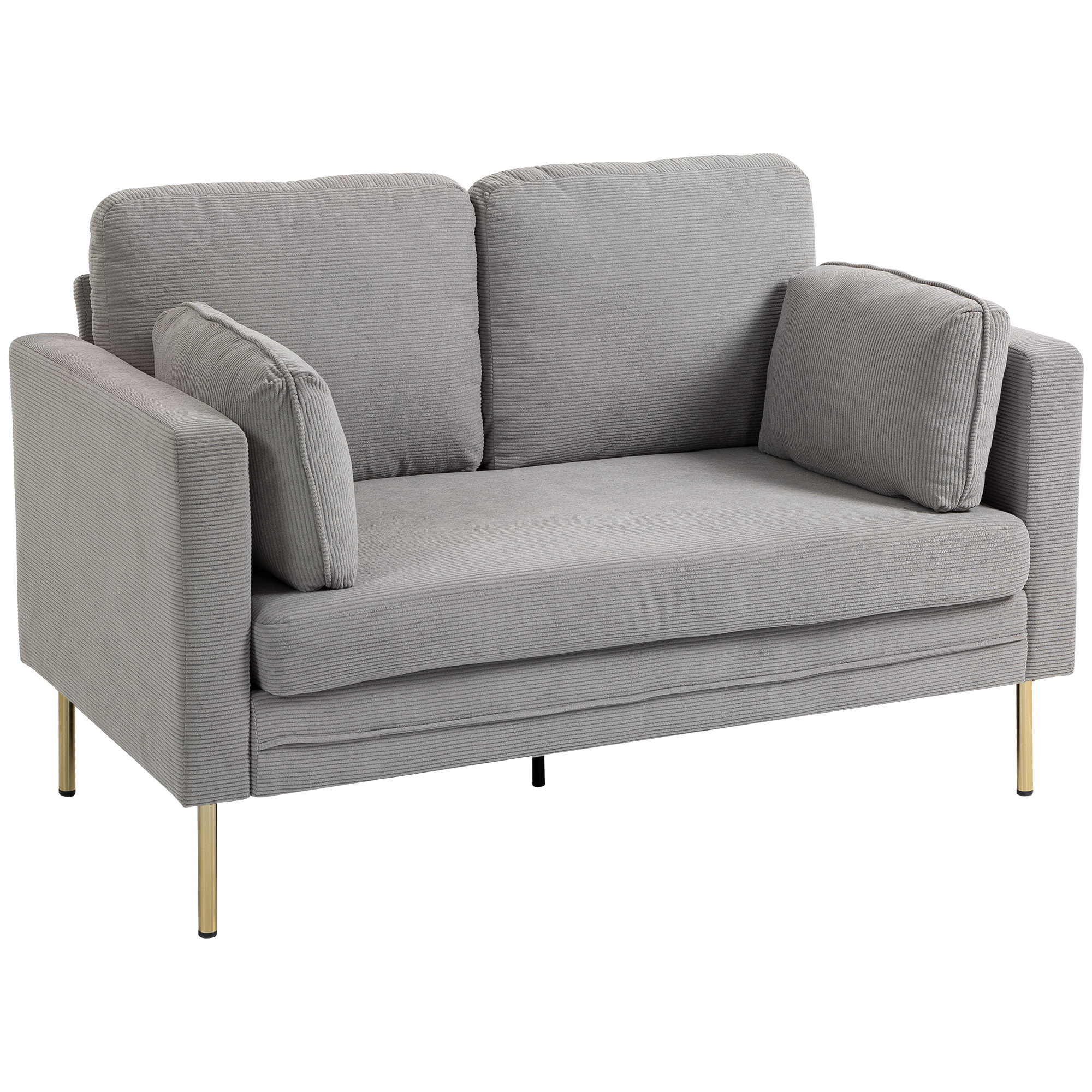
The sofa is the most important MCM purchase. The correct profile: low back, straight arms (or slightly flared), tapered or angled legs visible beneath the frame, and clean upholstery without tufting or rolled arms. Colours that work: mustard, olive, burnt orange, camel, warm grey, and off-white — the palette of the era. Avoid anything with a high, rolled back, thick bun feet, or heavy channel tufting — these read as traditional, not MCM.
Budget approach: A clean-lined sofa in a warm neutral fabric with visible legs achieves the MCM silhouette at mid-range prices. The legs matter more than the fabric colour — they’re what makes the sofa read as MCM rather than contemporary. Browse our sofa collection and filter for pieces with visible leg detail.
The Coffee Table
The MCM coffee table is low, rectangular or oval, solid wood with warm grain, and ideally has a shelf or storage below. It should sit roughly two-thirds the length of the sofa and be no taller than the sofa seat cushion — typically 35–45 cm high.
The Amaya Light Walnut Coffee Table at Furniture Flip hits every MCM note: 100% solid mango wood in a light walnut finish, Nordic-style legs, smooth rounded edges, and an open shelf below. The light walnut tone is essentially the modern equivalent of the teak finish that defined MCM originals — warm, characterful grain that improves with age. It’s handcrafted, not veneered, which means the warmth of the wood is genuine rather than applied.
The Odyssey Coffee Table is another strong option — solid mango wood in a chestnut finish with the circular design language and brass hardware that reads as vintage-adjacent without being costume-y.
Browse the full coffee table collection — 19 options in solid wood across walnut, chestnut, and oak finishes.
The Accent Chair
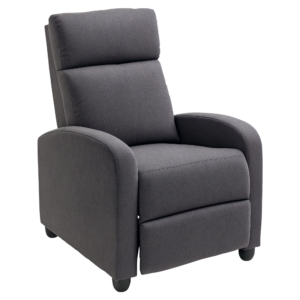
A single well-chosen accent chair does more for an MCM living room than almost any other purchase. The classic MCM chair options — the Eames lounge chair, the Egg chair, the Tulip chair — are expensive in original or licensed form. But the principles they embody are widely available at accessible prices: clean lines, tapered legs, a seat that’s low and enveloping, and upholstery in a warm, period-appropriate tone.
Look for chairs with:
- Visible tapered legs (wood preferred, angled outward)
- A low, slightly reclined seat
- Upholstery in leather, boucle, or a warm woven fabric
- No ornate decorative detail — the shape is the design
The Tan Buffalo Leather Footstool on solid mango Nordic legs pairs naturally alongside an MCM chair as both a footrest and a secondary accent piece — the tan buffalo leather and chestnut wood finish are period-correct in both colour and material.
Browse our accent chairs collection for options that work in MCM living rooms.
The Rug
MCM rugs are geometric, abstract, or solid — never floral or traditional. The Scandinavian influence on mid-century design produced some of the most distinctive rug patterns of the 20th century: bold geometric forms in warm earth tones, abstract shapes, and flat-weave constructions in natural fibres.
Budget approach: This is where you save. A geometric-patterned rug at a budget price point reads just as correctly in an MCM room as an expensive one. Size matters more than cost here — a properly sized rug that grounds the seating arrangement will always look better than an expensive rug that’s too small.
Lighting
Lighting is the most underrated MCM element and the easiest to get right on a budget. The classic MCM lamp profile — a tripod floor lamp, a sputnik pendant, a ceramic table lamp with a drum shade — is widely reproduced at accessible prices. Secondhand stores are particularly good hunting grounds for MCM-adjacent lighting: the shapes are simple enough that even a cheap reproduction reads correctly in context.
Warm-toned bulbs (2700K–3000K) are essential. MCM interiors are warm and inviting — cool white lighting kills the atmosphere immediately regardless of how well the furniture is chosen.
The MCM Bedroom: Simpler Than You Think
The MCM bedroom is built around three elements: a low platform bed, warm wood nightstands with tapered legs, and a clean, uncluttered aesthetic that lets the materials do the talking.
The bed: Low profiles define MCM beds — platform frames that sit 15–25 cm off the floor rather than the traditional elevated frames with box springs. A platform frame in a warm wood finish or a clean upholstered headboard without tufting achieves the right silhouette.
The nightstands: This is where Furniture Flip’s solid mango wood collection delivers exceptional MCM value. The combination of warm wood tones, Nordic-style tapered legs, and brass hardware is essentially the mid-century formula executed in modern production.
- Manila Gold One Drawer Nightstand — Solid mango wood in chestnut finish with a brass-plated sunrise pattern drawer front and Nordic legs with brass cap feet. The brass detailing is period-correct — MCM design used brass hardware extensively as a warm metal accent. This is the strongest MCM nightstand in the collection.
- 4 Drawer Multi Chestnut Nightstand — Four drawers in solid mango wood on Nordic legs with shiny knobs. More storage than a standard nightstand, same warm chestnut tone and tapered leg profile.
- Curved Oak Nightstand — Solid mango wood with an oak finish and Nordic legs. The oak-tone finish sits firmly in MCM wood palette territory at a mid-range price.
- Split Chestnut Nightstand — Curved design, two drawers, brass knobs, solid mango wood. The curved body alongside straight Nordic legs is a distinctly MCM design tension — organic form on geometric legs.
- Chestnut Woven Nightstand — Textured woven drawer front on solid mango wood legs. The handcrafted texture adds the kind of artisanal quality that distinguishes MCM from generic modern.
Browse the complete nightstand collection — all solid mango wood, all with the warm tones and tapered leg profiles that anchor the MCM bedroom aesthetic.
The dresser: A low, wide dresser (not a tall chest) is the correct MCM bedroom storage piece — the horizontal profile reinforces the low, expansive feeling of the era. Look for pieces with clean drawer fronts, minimal hardware, and warm wood tones.
The MCM Palette: Getting Colour Right Without Spending More
Colour is free. Getting the MCM palette right costs nothing beyond thought — and it’s one of the most powerful tools for making a room read as MCM regardless of what was spent on the furniture.
The MCM colour palette:
Warm neutrals as the base: warm white, cream, warm beige, soft tan. These go on walls and large upholstered surfaces.
Earth tones as accents: mustard yellow, burnt orange, olive green, terracotta, rust. These come in through cushions, throws, accent chairs, and artwork.
Warm woods as the constant: teak, walnut, chestnut, oak. These appear in every solid wood piece in the room and create the visual thread that ties the MCM aesthetic together.
Black as punctuation: thin black metal legs, a black lamp base, black picture frames. MCM uses black sparingly but intentionally — it creates contrast without competing with the warm palette.
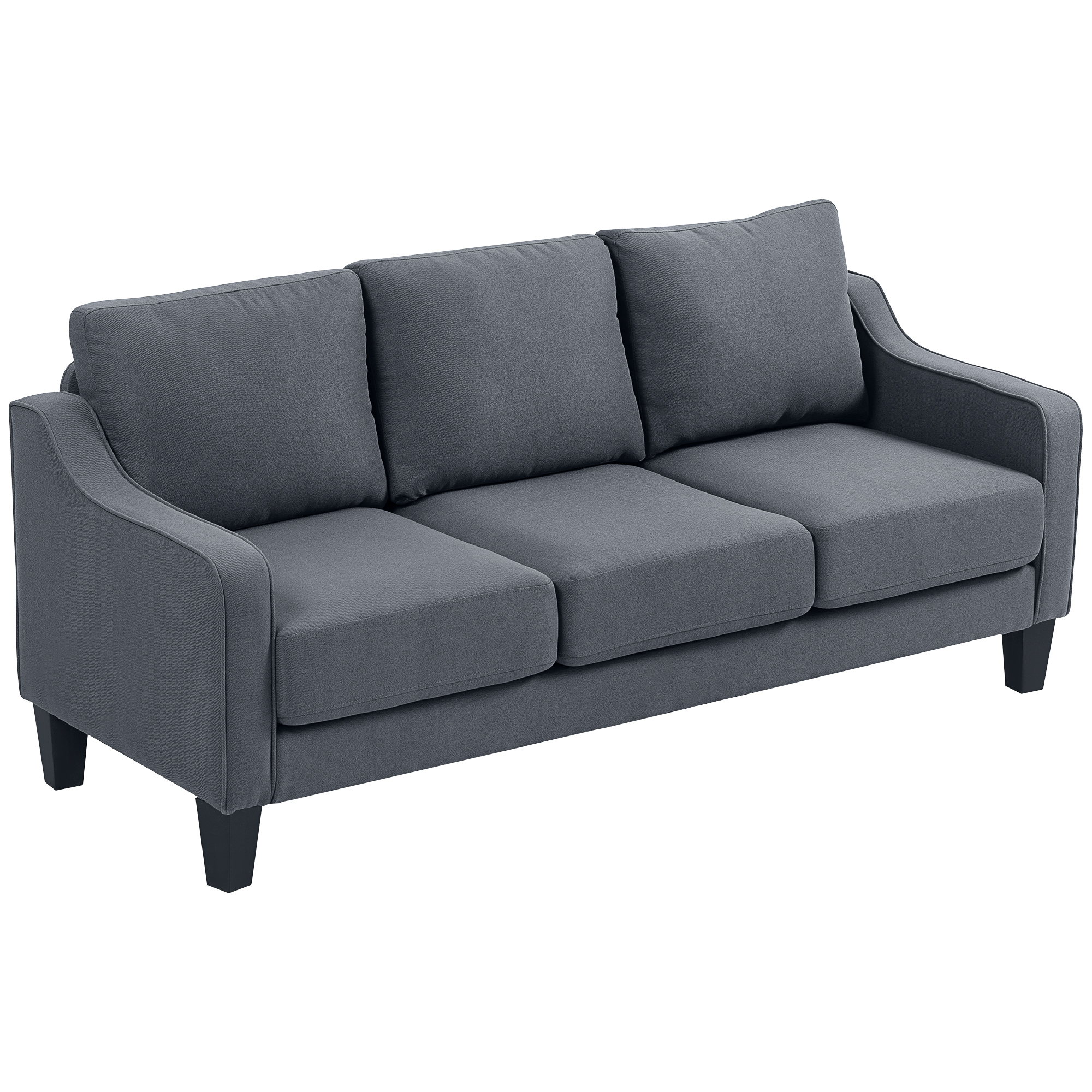
What to avoid: Grey. Not all grey — warm greige (grey-beige) works. But the cool grey palette that dominated Canadian interiors for the past decade is the opposite of MCM warmth. If your walls are cool grey and your sofa is cool grey, no amount of tapered legs will make the room feel MCM.
Where to Find Affordable MCM Furniture in Canada
Facebook Marketplace and Kijiji are the single best sources for authentic MCM pieces at budget prices. Canadians who bought MCM-influenced furniture in the 1970s and 80s are now downsizing, and genuine teak sideboards, Danish dining sets, and MCM lounge chairs appear regularly at prices well below their real value. Knowing what you’re looking for — the tapered legs, the teak grain, the clean lines — gives you a significant advantage over buyers who are simply scrolling past.
Furniture Flip for new solid wood pieces that hit the MCM aesthetic at mid-range prices. The coffee table collection and bedroom furniture in particular — all solid mango wood in walnut, oak, and chestnut finishes with Nordic tapered legs and brass hardware — are the most practical new-purchase option for building an MCM-inspired Canadian home at real mid-range prices.
Thrift stores and Habitat for Humanity ReStores across Canada regularly carry MCM-adjacent pieces — side tables, credenzas, dining chairs — that can be refinished or used as-is. The shapes are what matter; a MCM credenza with a worn finish can be sanded and re-oiled for less than $50 in materials and will look better than a new reproduction at twice the price.
Structube and EQ3 in the GTA and across Canada carry contemporary furniture with MCM influences at accessible to mid-range prices. Neither is a purist MCM source, but both carry pieces — particularly dining chairs, accent tables, and media consoles — that integrate well into MCM-influenced rooms without fighting the aesthetic.
For independent MCM design inspiration and education, the Museum of Arts and Design in New York maintains free online resources covering mid-century design history and principles — useful context if you want to understand why the aesthetic looks the way it does rather than just copy it.
The Five Budget MCM Mistakes to Avoid
1. Buying dark, heavy “walnut-finish” pieces that aren’t actually wood. A veneered MDF credenza in a walnut photo-wrap finish has the right colour and none of the warmth. The wood grain in real solid wood catches light differently at every angle — something a printed veneer never replicates. Buy real solid wood in warm finishes rather than simulated wood surfaces. Our guide on how to tell if furniture is actually good quality covers exactly how to spot the difference.
2. Ignoring leg detail. A sofa with chunky bun feet is not MCM regardless of its upholstery colour. The legs define the silhouette. If a piece doesn’t have thin, tapered legs, it doesn’t read as MCM — full stop.
3. Mixing too many wood tones. MCM interiors are cohesive in their use of wood — the grain variation within one species does the visual work. Multiple different wood tones in one room creates visual noise that undermines the style’s characteristic calm.
4. Over-accessorizing. MCM interiors are considered and restrained. Three well-chosen objects on a credenza look intentional. Twelve objects look like clutter. The discipline to edit — to leave surfaces partially empty — is the hardest part of getting MCM right and costs nothing.
5. Cool grey instead of warm neutrals. Covered above in the palette section but worth repeating: grey walls with grey upholstery are the single most effective way to undermine an MCM aesthetic. The era was warm. Keep the palette warm.
The Bottom Line
Mid-century modern is one of the most achievable design aesthetics on a real Canadian budget — because it’s built on principles rather than specific products. Tapered legs, warm solid wood, clean lines, a restrained earth-tone palette, and low profiles. Get those five things right and the room reads correctly.
The expensive version uses original Danish teak and licensed Eames reproductions. The smart version uses solid mango wood in walnut and chestnut finishes, MCM-profile sofas and chairs at mid-range prices, and a disciplined eye for what stays in the room and what doesn’t.
Browse Furniture Flip’s full collection for solid wood pieces that hit the MCM aesthetic at prices that work for real Canadian budgets — every piece listed with exact dimensions, real material specifications, and the warm wood finishes that make mid-century modern one of the most liveable design styles going.
Also worth reading: mango wood vs. oak vs. pine: which solid wood is worth it in Canada — the material question that underpins every MCM budget decision.
Take a look at these picks!