Mango Wood vs. Oak vs. Pine: Which Solid Wood Furniture Is Worth It in Canada?
Walk into any furniture store in Canada — or browse any quality furniture website — and you’ll encounter a parade of wood species: mango, oak, pine, walnut, acacia, rubberwood, teak. Each one marketed as the obvious choice, each one with a price tag that suggests it must be worth it.
Most buyers have no framework for evaluating any of them. Is mango wood actually good? Is pine furniture a false economy? Is oak worth the premium? Is walnut as special as the price suggests?
These are reasonable questions and the answers matter — because the wood species in a piece of furniture determines how long it lasts, how it ages, how it handles Canada’s climate swings, and whether it was produced responsibly. Getting it wrong means paying more than you should or buying something that disappoints you faster than it should.
This guide gives you a clear, honest comparison of the most common solid wood species available in Canadian furniture — what each one actually delivers, where each one falls short, and which ones represent the best value at different price points.
Why Wood Species Actually Matters
Before the comparison: a clarification on why this conversation is worth having at all.
All solid wood is not equal. The properties that determine furniture performance — hardness, stability, grain density, moisture resistance, workability — vary significantly between species. A pine dresser and an oak dresser at similar price points will perform completely differently over a decade of use. A mango wood coffee table and a rubberwood coffee table are not interchangeable choices.
The second thing worth establishing: solid wood is always better than engineered wood alternatives at comparable price points, for longevity. A solid pine dresser that costs $400 will outlast a veneered MDF dresser that costs $400, every time. The species comparison only matters once you’ve already confirmed the piece is genuinely solid wood — which is a separate question covered in our guide on how to tell if furniture is actually good quality before you buy it.
With that established — here’s how the major species compare.
The Janka Hardness Scale: The Starting Point for Any Wood Comparison
The standard measure of wood hardness is the Janka hardness rating — the force required to embed a steel ball halfway into the wood. Higher numbers mean harder wood. Harder wood resists dents, scratches, and wear better over time.
| Wood Species | Janka Hardness (lbf) | Relative Hardness |
|---|---|---|
| Pine (Eastern White) | 380 | Soft |
| Pine (Yellow) | 870 | Medium-soft |
| Mango | 1,070 | Medium-hard |
| Teak | 1,155 | Medium-hard |
| Walnut (Black) | 1,010 | Medium-hard |
| Oak (Red) | 1,290 | Hard |
| Oak (White) | 1,360 | Hard |
| Maple | 1,450 | Very hard |
Hardness matters most for surfaces that take daily impact — dining tables, coffee tables, desks. For bedroom furniture, storage pieces, and decorative items where surface wear is less constant, medium-hard species like mango perform just as well in practice as harder species like oak, at a lower price point.
Mango Wood: The Best Value in Canadian Furniture Right Now
What it is
Mango wood comes from the mango fruit tree — the same tree that produces the fruit. Here’s what makes it genuinely interesting from a sustainability standpoint: mango trees are harvested for lumber only after they stop producing fruit, typically after 25–30 years. The tree has already completed its commercial life as a food producer before it becomes furniture. It’s not grown specifically for timber, which means it’s one of the most sustainable hardwood options available at mid-range prices.
The majority of quality mango wood furniture comes from India and Southeast Asia, where mango cultivation is extensive and the lumber industry around spent fruit trees is well-established.
The properties
Mango wood sits at approximately 1,070 on the Janka hardness scale — solidly in the medium-hard range, harder than pine by a significant margin and comparable to walnut. It’s dense enough to resist everyday dents and scratches, takes stain and finish well, and has a naturally varied, characterful grain that makes each piece visually unique.
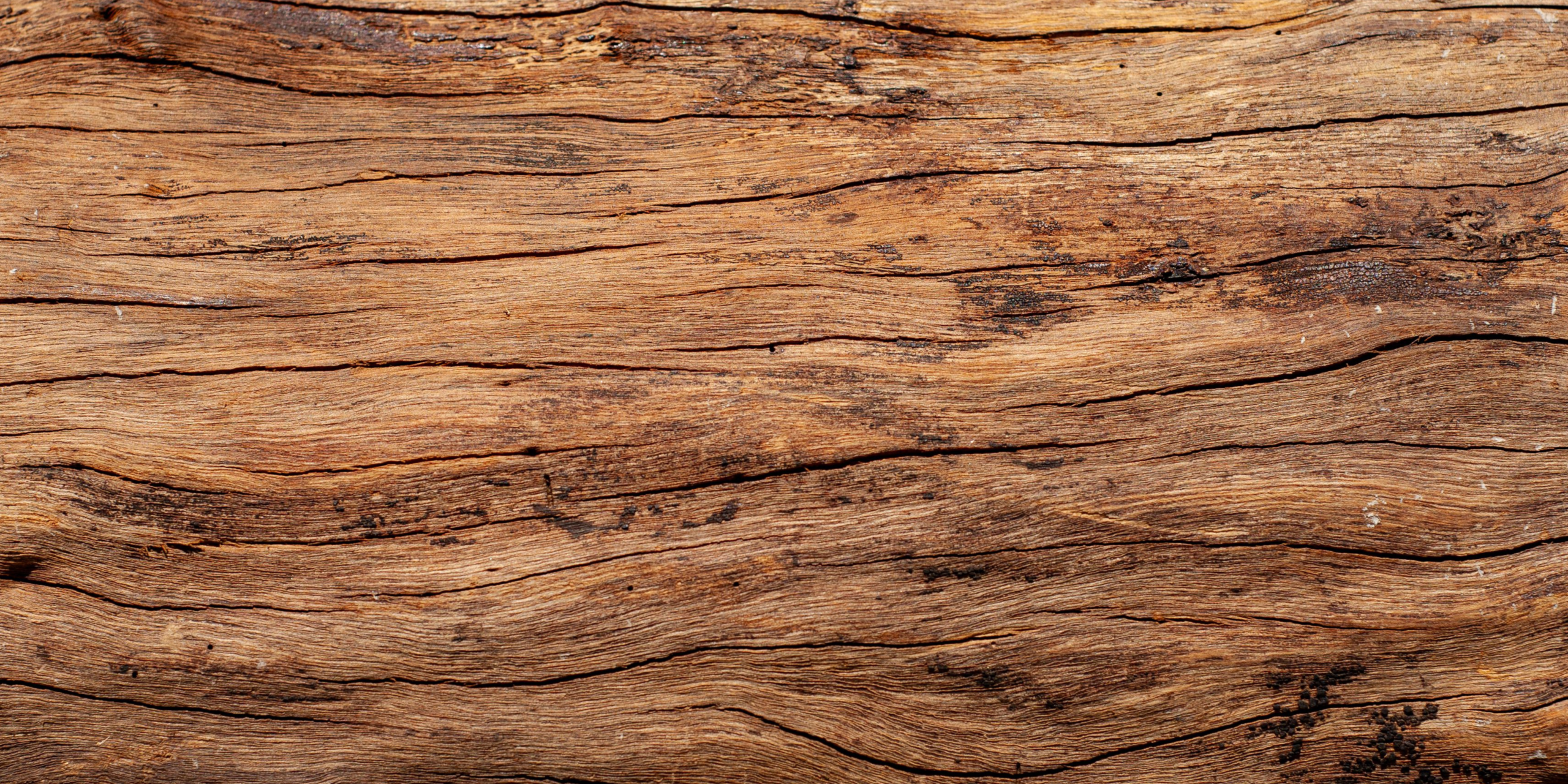
The grain patterns in mango wood are one of its most distinctive features. Unlike the relatively uniform grain of oak or the tight, consistent grain of maple, mango wood shows pronounced variation — swirling grain patterns, natural colour shifts between light honey tones and darker browns, and occasional figuring (wavy or interlocked grain) that gives pieces an organic quality that’s difficult to replicate in more consistent species.
How it handles Canada’s climate
This is a critical consideration that most buyers overlook. Canada’s climate is genuinely hostile to wood furniture — not just winters, but the swing between humid summers and the bone-dry air of heated interiors in winter. Wood expands in humidity and contracts in dryness. Species that handle this movement poorly crack, warp, and split over time.
Mango wood handles Canada’s climate reasonably well for a tropical hardwood. Its dense grain structure resists excessive movement, and quality pieces are kiln-dried before manufacturing to stabilize moisture content. That said — like all wood furniture in Canadian homes — mango wood benefits from consistent indoor humidity (ideally 35–55% relative humidity) and placement away from heat vents and radiators.
Price point
This is mango wood’s single biggest advantage for the Canadian mid-range buyer. Quality solid mango wood furniture is available in Canada at prices that comparable quality oak or walnut simply cannot match. A handcrafted solid mango wood nightstand in the $200–$400 range, or a coffee table at $400–$700, represents a value proposition that is genuinely difficult to find in other hardwood species.
The price advantage exists because mango is abundant (a byproduct of a large agricultural industry), the production labour in South Asia is skilled but affordable relative to North American or European manufacturing, and the material itself is not scarce.
The verdict on mango wood
Mango wood is the best value hardwood in the Canadian mid-range furniture market. It’s dense enough for everyday use, sustainably sourced, visually distinctive, and available at price points that make quality solid wood furniture accessible to buyers who can’t or don’t want to spend premium prices for oak or walnut.
Mango wood is the right choice for: Coffee tables, nightstands, dressers, console tables, side tables, blanket boxes, and bedroom furniture — any piece where you want genuine solid hardwood construction at a mid-range price.
Furniture Flip’s mango wood collection:
Every solid wood piece at Furniture Flip is handcrafted from 100% solid mango wood. Here are some standouts:
- Amaya Light Walnut Coffee Table — Solid mango wood with a light walnut finish, rounded edges, open storage shelf, and Nordic legs. A genuinely beautiful mid-range coffee table.
- Manila Gold One Drawer Nightstand — Solid mango wood in chestnut finish with brass-plated sunrise pattern drawer front. Handcrafted detail work at a mid-range price.
- Chestnut Woven Nightstand — Solid mango wood with a distinctive woven drawer front. Customer reviews consistently note how solid and well-made it feels in person.
- Split Chestnut Nightstand — Two drawers plus open slot, curved design, solid mango wood with brass knobs.
- 4 Drawer Multi Chestnut Nightstand — Four-drawer solid mango wood chest that doubles as bedroom storage. Nordic legs, chestnut finish, shiny knobs.
- Curved Oak Wood Nightstand — Solid mango wood with an oak finish — the warm, golden tone of oak aesthetics at mango wood prices.
- Curved Chestnut Blanket Box — Solid mango wood storage trunk. Works as a blanket box, coffee table, or entryway piece.
- Metallic Rope Side Table — Solid mango wood with sculptural rope-design legs in a metallic finish. A distinctive accent piece.
- Tan Buffalo Leather Footstool — Buffalo leather seat on solid mango wood legs with a chestnut finish.
- Harbour Green Bench — Solid mango wood legs with buffalo leather upholstered seat. Customer reviews confirm it’s solid and well-constructed.
Browse the complete solid wood furniture collection at Furniture Flip — all handcrafted from 100% solid mango wood.
Oak: The Gold Standard — But at a Price
What it is
Oak is the most historically significant furniture wood in North America and Europe. Red oak and white oak are the two primary species used in furniture — white oak being the more prized of the two for its tighter grain, superior moisture resistance (due to tyloses that block the wood’s pores), and the warm, golden-grey tones that have made white oak the wood of choice for contemporary Scandinavian and mid-century modern furniture globally.
The properties
Oak sits between 1,290 and 1,360 on the Janka scale — genuinely hard. It resists surface dents and scratches better than mango or pine, takes stain evenly due to its consistent open grain, and is dimensionally stable enough to handle Canadian climate swings well when properly dried and finished.
White oak in particular has surged in popularity over the last decade in the Canadian furniture market — its warm, slightly grey-toned natural colour and pronounced but not overpowering grain pattern works beautifully in contemporary, Scandinavian, and transitional interiors. Most of the premium Canadian furniture brands producing mid-century and Scandinavian-inspired pieces work primarily in white oak.
The limitations
Price. Quality solid oak furniture in Canada — real solid oak, not oak veneer over MDF — commands a significant premium. A solid white oak dining table will typically start at $1,500 and climb quickly from there. A solid oak dresser in the mid-range starts at $800–$1,200. That premium is justified by the material’s hardness, stability, and longevity — but it puts solid oak out of reach for buyers furnishing on a real-world Canadian budget.
The second limitation is ubiquity. Oak is so widely used and so widely imitated — “oak finish” on MDF is one of the most common misleading product descriptions in budget furniture — that the name carries less reliable quality signalling than it once did. When you see “oak” in a product listing, confirm it says “solid oak” with the species specified, not “oak finish,” “oak effect,” or “oak veneer.”
The verdict on oak
Oak is genuinely excellent furniture wood — durable, stable, beautiful, and long-lasting. It’s the right choice when budget allows and when you’re buying a piece you intend to keep for 20 years or longer. For dining tables and high-traffic surfaces in particular, the extra hardness is meaningful.
Oak is the right choice for: High-investment dining tables, long-term heirloom pieces, buyers with the budget to spend $1,500+ on a single piece, and anyone who specifically wants the Scandinavian or mid-century modern aesthetic that white oak delivers better than any other species.
Oak is not the right choice for: Mid-range budgets where solid mango wood delivers comparable performance at significantly lower cost.
Pine: Honest About What It Is
What it is
Pine is a softwood — not a hardwood — and is the most widely used wood in budget and flat-pack furniture globally. It’s fast-growing, widely available across Canada, and inexpensive to produce. Eastern white pine sits at just 380 on the Janka scale. Yellow pine is harder at 870, but still significantly softer than mango or oak.
The properties
Pine’s softness is its defining characteristic — and its main liability in furniture. It dents and scratches easily. A set of keys dropped on a pine coffee table leaves a mark. Chair legs dragged across a pine floor leave gouges. In a bedroom where a piece isn’t in constant contact with hard objects, pine performs acceptably. In a dining room or living room with daily use, it shows wear fast.
Pine does have genuine advantages. It’s light — easier to move and rearrange than hardwood alternatives. It takes paint very well, which is why it’s the wood of choice for painted furniture. And properly finished, it can look warm and characterful — the visible knots that some buyers dislike are considered desirable in rustic and farmhouse styles.
Pine also performs reasonably well in Canada’s climate — it’s a domestic species acclimatized to North American temperature and humidity swings, which reduces the risk of warping and cracking that some imported tropical hardwoods can face.
The verdict on pine
Pine is not a bad wood. It’s an honest wood — inexpensive because it’s genuinely softer and less durable than hardwood alternatives, not because it’s been cut with inferior production methods. It’s the right choice for painted furniture, children’s furniture where replacement is expected, cottage pieces, and buyers with tight budgets who understand the tradeoffs.
Pine is the right choice for: Painted furniture, children’s rooms, cottage or rustic-style pieces, and tight-budget buyers who prioritize price over longevity.
Pine is not the right choice for: Coffee tables, dining tables, or any surface that takes daily hard use — it will show dents and wear faster than you’d like.
Walnut: Beautiful, Durable, and Expensive
What it is
Black walnut is North America’s most prized domestic furniture wood — rich, dark brown with a straight, even grain that takes finish beautifully. It sits at approximately 1,010 on the Janka scale — comparable to mango wood in hardness, softer than oak, but consistently regarded as one of the most workable and visually striking furniture woods available.
The properties
Walnut’s appeal is primarily aesthetic. The deep, warm brown colour — which ranges from chocolate to purplish-brown depending on the cut and finish — is genuinely distinctive and ages beautifully. It’s the wood that high-end furniture designers reach for when they want something that reads as premium at a glance.
In terms of hardness it’s comparable to mango wood — which means in everyday furniture use (not including high-traffic dining surfaces), it performs similarly. The premium you pay for walnut over mango is primarily for the aesthetic and the prestige of the species, not for meaningfully superior durability.
The verdict on walnut
Walnut is a genuinely excellent furniture wood, but the premium over mango wood is difficult to justify on performance grounds alone. Unless you specifically want walnut’s dark, rich aesthetic — which is a legitimate reason to choose it — solid mango wood in a dark finish delivers comparable performance at a fraction of the price.
Walnut is the right choice for: Buyers who specifically want the dark, rich walnut aesthetic and have the budget for it — typically $1,500+ for primary pieces.
Acacia, Rubberwood, and Teak: The Others Worth Knowing
Acacia is a dense, hard tropical wood (Janka around 1,700) with dramatic grain variation and natural oils that make it highly moisture-resistant. It’s commonly used in dining tables and outdoor-adjacent pieces. Good value at mid-range prices, though grain variation can be polarizing aesthetically.
Rubberwood is harvested from rubber trees after they stop producing latex — similar sustainability logic to mango wood. Janka around 980. Consistent, tight grain, takes stain well, and is used extensively in mid-range furniture. Less characterful than mango visually but reliable and durable.
Teak is the gold standard for outdoor furniture — naturally high in oils that make it extremely moisture and weather resistant. Janka around 1,155. Expensive, genuinely worth it for outdoor applications where moisture resistance is the priority. For indoor furniture, the premium over mango or oak is harder to justify.
The Canada-Specific Consideration: Climate and Wood Stability
Any solid wood furniture in a Canadian home needs to handle the country’s climate — and Canada’s indoor climate is particularly challenging for wood. Central heating in winter drops indoor relative humidity to 20–30% or lower. Humid summers push it back up. That seasonal swing causes wood to expand and contract, which over time can cause cracking, warping, and joint failure in poorly dried or unstable species.
The most climate-stable species for Canadian homes:
- White oak — tight grain and tyloses make it highly stable
- Maple — very dense, resists movement well
- Mango wood — dense grain handles seasonal movement reasonably well when kiln-dried
- Walnut — moderately stable, performs well in Canadian interiors
The least stable:
- Pine — soft and porous, expands and contracts significantly with humidity changes
- Poorly dried tropical woods — any species that wasn’t properly kiln-dried before manufacturing
The single most important thing you can do to protect any solid wood furniture in a Canadian home is maintain indoor humidity between 35–55% year-round using a humidifier in winter. This matters more than species selection for long-term stability.
The Summary: Which Wood Should You Buy?
| Need | Best Choice | Why |
|---|---|---|
| Best value hardwood at mid-range prices | Mango wood | Hardwood performance at softwood prices, sustainably sourced, characterful grain |
| Best for high-traffic dining surfaces | White oak | Hardest widely available species, handles wear best |
| Best for painted furniture | Pine | Takes paint perfectly, affordable, lightweight |
| Best for premium aesthetic | Walnut | Richest visual character of any furniture wood |
| Best for outdoor or moisture-adjacent use | Teak | Natural oils provide superior moisture resistance |
| Best balance of quality and Canadian availability | Mango wood or oak | Depends on budget — mango at mid-range, oak when budget allows |
Also worth reading: How to tell if furniture is actually good quality before you buy it — because knowing the wood species is only half the story. Construction quality determines whether a solid wood piece actually lives up to its material. And if you’re furnishing on a budget, our complete guide to furnishing a new home in Canada covers where solid wood investment pays off most and where you can safely save.
Take a look at these picks!