Best Dressers for Small Bedrooms in Canada
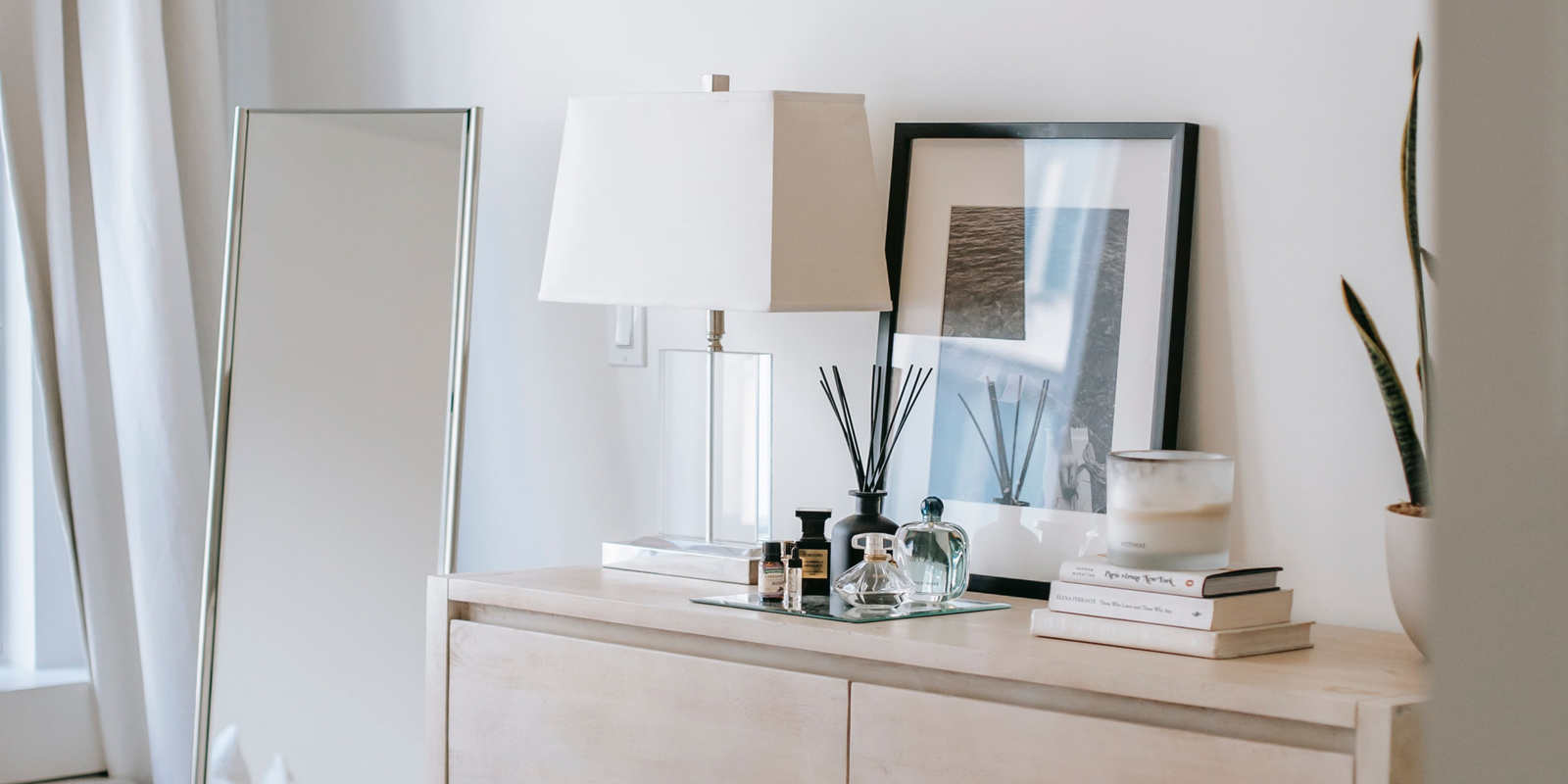
The dresser is the most space-hungry piece of furniture in a small Canadian bedroom — and the one most people buy without thinking carefully about format, footprint, or how it fits the room around the bed.
A wide, low dresser that looks proportional in a spacious bedroom becomes a wall-eating obstacle in a 10 x 10 foot condo bedroom. The same storage capacity in a taller, narrower chest of drawers takes up a fraction of the floor space and leaves room to actually move around.
This guide covers how to choose the right dresser format for a small bedroom, what to look for in construction, and the best options available at Furniture Flip right now.
Dresser vs. Chest of Drawers — The Decision That Matters Most in a Small Room
Most people use “dresser” and “chest of drawers” interchangeably. They’re not the same thing — and the difference is the most important decision in a small bedroom.
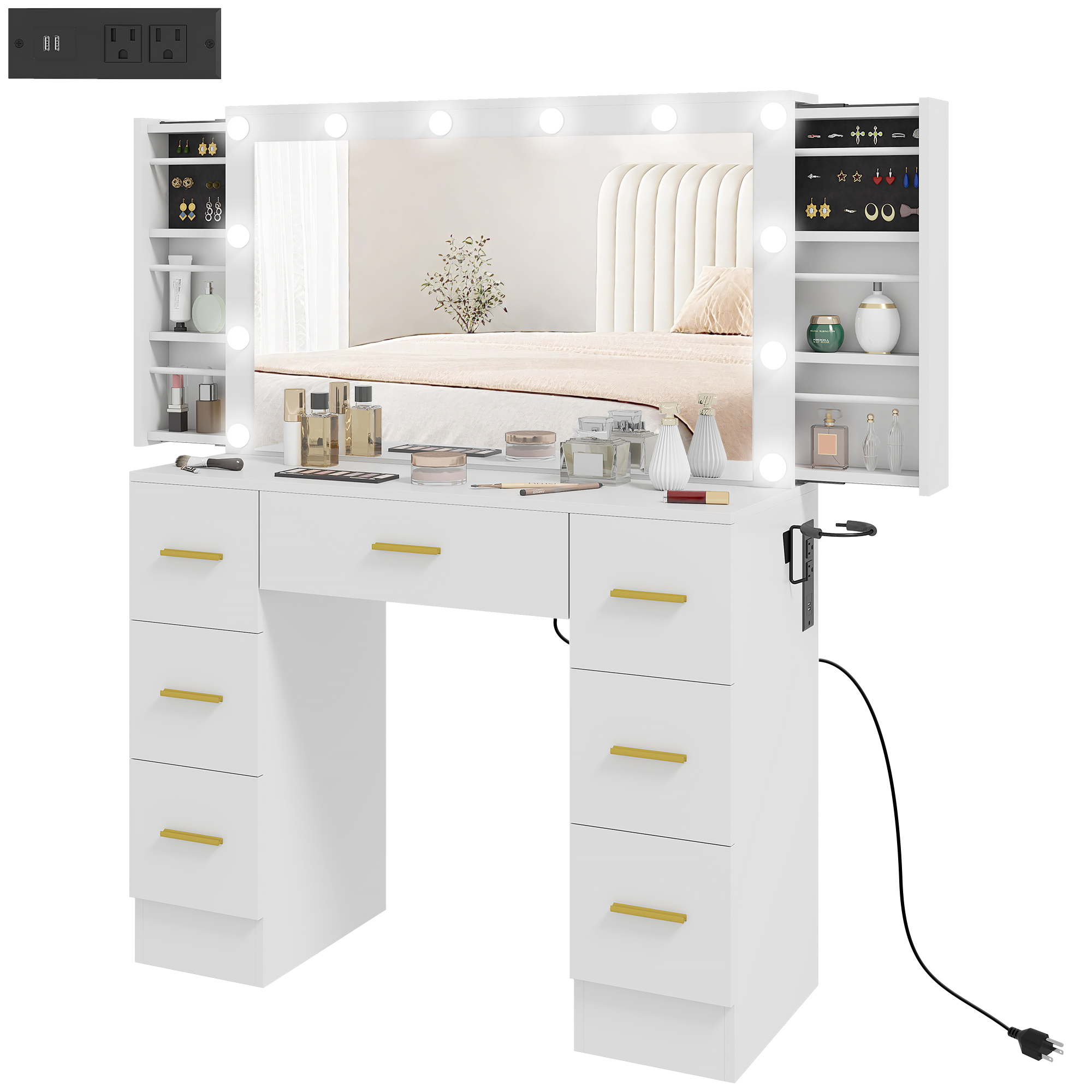
A dresser is wide and low — typically 120–160 cm wide and 75–90 cm tall, with three to five rows of drawers. It takes up significant wall space and often comes with a mirror. In a larger bedroom it provides a generous surface for lamps, jewellery, and décor. In a small bedroom it consumes an entire wall and leaves nowhere for anything else.
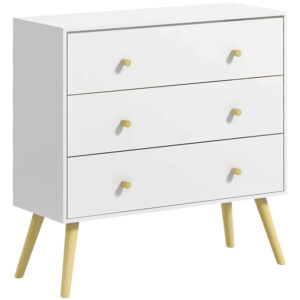
A chest of drawers is narrow and tall — typically 45–75 cm wide and 100–130 cm tall, with four to seven rows of drawers. Same or greater storage capacity as a wide dresser, dramatically smaller floor footprint. In a small bedroom it fits in a corner, beside a doorway, or in a gap that a dresser never could.
The rule for small Canadian bedrooms: If your bedroom is under approximately 3 x 3.5 metres, a chest of drawers almost always serves you better than a wide dresser. You get equivalent storage in a footprint that preserves walkway space, breathing room, and the visual openness that makes a small room feel liveable rather than stuffed.
What to Look for Before You Buy
Height and Walkway Clearance
Maintain at least 60 cm of clear walkway on every side of furniture you regularly access. In a small bedroom where the dresser or chest sits alongside the bed, this means the piece needs to fit in the available gap with that clearance maintained on the access side.
Tall chests of drawers compensate for their height by having legs or feet — which lifts them visually off the floor and keeps the room from feeling top-heavy. A chest that sits flush to the floor reads as heavier and more space-consuming than the same piece on tapered or turned legs.
Drawer Count vs. Drawer Depth
In a small bedroom, drawer count matters more than drawer width. A narrow chest with six drawers provides more functional storage than a wide dresser with four deep drawers — because folded clothing, accessories, and everyday items are easier to organize in shallower, more numerous compartments than in a few large ones where everything piles up.
Check the interior drawer depth on any piece you’re considering. Drawers under 10 cm deep are useful only for flat items. Drawers of 15–20 cm depth handle folded clothing comfortably. Drawers above 25 cm work for bulkier items — sweaters, jeans, bedding.
Construction Quality
Drawer glides are the first thing to fail in a budget dresser. Open and close every drawer smoothly — there should be zero lateral wobble at any point in the travel. Soft-close mechanisms that slow the drawer in the last few centimetres signal better construction throughout.
Check the drawer joinery at the front corners. Dovetail joints — interlocking wedge shapes — indicate quality construction that holds up under daily use. Simple butt joints held by staples loosen faster and are the most common failure point in budget bedroom storage.
Solid wood construction — particularly solid mango wood — holds screws and hardware better than MDF or particleboard alternatives, which is significant for a piece that gets opened and closed multiple times daily for years. For the complete quality framework, read our guide on how to tell if furniture is actually good quality before you buy it.
Finish and Colour Also Affect the Room
Beyond footprint, the finish of your chest or dresser affects how large or small the bedroom feels. Light finishes — natural mango wood tones, or lighter oak and chestnut stains — reflect available light and keep a small room feeling open. A dark, heavy finish in a bedroom with limited natural light can make the space read as smaller and more closed-in than its actual dimensions. This isn’t a hard rule, but it’s worth factoring in alongside footprint when a room is genuinely tight on light as well as square footage.
The Surface
The top of a dresser or chest is prime real estate in a small bedroom — often the only surface available for a lamp, a plant, or daily essentials. A piece with a solid, properly finished top surface that can hold the weight of a table lamp without wobbling is worth significantly more in daily use than one with a thin laminate top that flexes under weight.
The Best Options at Furniture Flip
Chests of Drawers — The Right Format for Small Bedrooms
Furniture Flip’s chests collection has seven options — all in the narrow, tall format that works best in small Canadian bedrooms. These are the pieces to consider first if your bedroom is under 3.5 x 4 metres. The narrow footprint, vertical storage orientation, and solid mango wood construction across the range make them significantly better suited to small spaces than wide dressers at comparable price points.
Every chest in the collection is handcrafted from solid mango wood — a genuine hardwood that holds drawer hardware better than MDF alternatives and handles Canada’s seasonal humidity swings better than poorly dried engineered wood. Browse the full collection for exact dimensions on each piece before ordering.
Dressers — For Bedrooms With the Wall Space
For bedrooms that can accommodate a wider footprint — typically rooms above 3.5 x 4 metres where a dedicated dresser wall is available — Furniture Flip’s dressers collection has 13 options across styles and configurations.
The same solid mango wood construction applies across the dresser range — genuine hardwood throughout rather than the veneered particleboard that dominates the category at comparable prices from big-box alternatives. Confirm the width against your available wall space before ordering, leaving at least 30 cm of clearance on either side for the piece to breathe visually and for drawers to open without obstruction.
Browse the dressers collection
Nightstands With Significant Storage — The Space-Saver’s Alternative
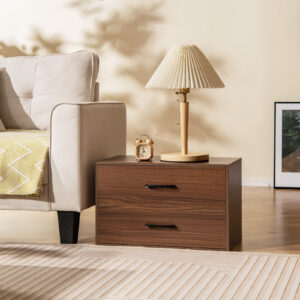
For very small bedrooms — studios, single rooms, or spaces where even a narrow chest of drawers is too much — a nightstand with four or more drawers can partially substitute for a separate dresser entirely. The 4 Drawer Multi Chestnut Nightstand is the clearest example: four drawers in solid mango wood on Nordic legs, functioning simultaneously as a bedside table and a compact storage unit. For a studio apartment or a small bedroom where a separate dresser simply won’t fit, it handles everyday clothing storage in a footprint that leaves the room functional.
Browse the full nightstands collection — 67 options in solid mango wood across chestnut, oak, and walnut finishes, all with exact dimensions listed.
Sizing a Dresser for a Small Canadian Bedroom
Before ordering any bedroom storage piece, work through these measurements:
Available wall length. Measure the wall where the dresser or chest will sit. Subtract 30 cm minimum on each side for visual breathing room. That’s your maximum piece width.
Available floor depth. Measure from the wall outward to the nearest obstruction — a doorway, the bed, a walkway line. Standard dressers run 40–55 cm deep. Confirm the depth leaves 60 cm of walkway clearance.
Available height. In rooms with sloped ceilings, low beams, or overhead storage, confirm the chest height fits the space with at least 15–20 cm of clearance above.
The bedroom clearance rules in full: A queen bed needs at minimum 60 cm of walkway on each accessible side. A king needs 80 cm. Whatever floor space remains after accounting for the bed and those clearances is the space available for a dresser or chest. In most Toronto condo bedrooms with a queen bed, that’s often a single wall strip of 60–100 cm width — which is exactly the format that a narrow chest of drawers is built for.
For the full bedroom sizing framework, our guide on how to furnish a Toronto condo without it feeling cramped covers bedroom layout decisions in detail.
The Layout Decisions That Make a Small Bedroom Work
Position the dresser or chest away from the bed’s primary walkway. The side of the bed you get in and out of most should have the clearest possible walkway. The dresser goes on the wall that doesn’t compete with that movement path.
Use the top surface deliberately. In a small bedroom, every surface needs a purpose. A dresser top with a lamp, one small plant, and a tray for daily essentials looks considered. The same surface with accumulated clutter looks chaotic and makes the room feel smaller. Edit the top surface the same way you’d edit any other part of the room.
Match finish to the room’s wood tones. A dresser in a finish that clashes with the bed frame and nightstands creates visual noise in a small room that doesn’t have the space to absorb it. The warm mango wood tones across Furniture Flip’s bedroom range — chestnut, oak, and light walnut — are designed to work together rather than fight each other. Our guide on how to mix wood tones covers how to make different finishes coexist intentionally.
Consider a mirror above the chest, not the dresser. A tall mirror above a chest of drawers makes a small bedroom feel significantly larger — it reflects light, creates perceived depth, and does double duty as both décor and function. It also eliminates the need for the mirror that typically comes as part of a dresser suite, saving floor space and money simultaneously.
The Bottom Line
In a small Canadian bedroom the choice between a wide dresser and a narrow chest of drawers is almost always decided by the room — measure first, then choose the format that fits rather than forcing a piece into a space it wasn’t built for.
For most condo bedrooms and small Canadian rooms under 3.5 x 4 metres, a chest of drawers delivers equivalent storage in a fraction of the footprint. For rooms with a dedicated dresser wall, a quality solid wood dresser in the right width anchors the bedroom without consuming it.
Browse Furniture Flip’s chests collection and dressers collection — all solid mango wood construction, all with exact dimensions on every listing so you can verify fit against your specific room before ordering.
Also worth reading: How to furnish a Toronto condo without it feeling cramped — bedroom layout decisions that directly affect which dresser format and size works for your space. And mango wood vs. oak vs. pine — why solid mango wood outperforms engineered wood alternatives in bedroom storage at comparable price points.
Take a look at these picks!