How to Furnish a Toronto Condo or Apartment Without It Feeling Cramped

Here’s something no one tells you when you sign the lease on a Toronto condo: the space looks bigger when it’s empty.
The moment furniture arrives — the sofa, the bed, the dining table — everything shrinks. Suddenly that 650-square-foot one-bedroom feels like a studio, and the open-plan living area you fell in love with is a maze of corners and blocked sightlines.
This is the reality for most Toronto renters and condo owners. According to data from the Municipal Property Assessment Corporation (MPAC), the average new condo in Toronto has shrunk from 1,010 square feet 25 years ago to just 659 square feet today. The average condo size across all Toronto buildings currently sits at 850 square feet — the smallest of any major urban centre in Ontario.
That’s not a lot of room to work with. But furnished well, even a 600-square-foot condo can feel genuinely comfortable, open, and like a place you actually want to spend time in. The difference isn’t more space — it’s smarter furniture choices.
1. Buy Furniture That's Scaled to Your Space
This is the single most important rule and the one most people break first. The natural instinct when furnishing a small space is to buy small furniture — tiny chairs, a little loveseat, a miniature coffee table. The result almost always feels off: cramped, cheap, and somehow even smaller than before.
The right move is to buy fewer pieces, scaled correctly for the room.
A properly sized sofa — say 200 cm wide — in a small living room looks intentional and anchors the space. Four undersized chairs crammed in the same area looks chaotic. One or two well-proportioned pieces will always outperform five mismatched smaller ones.
Practical guidelines for Toronto condo living:
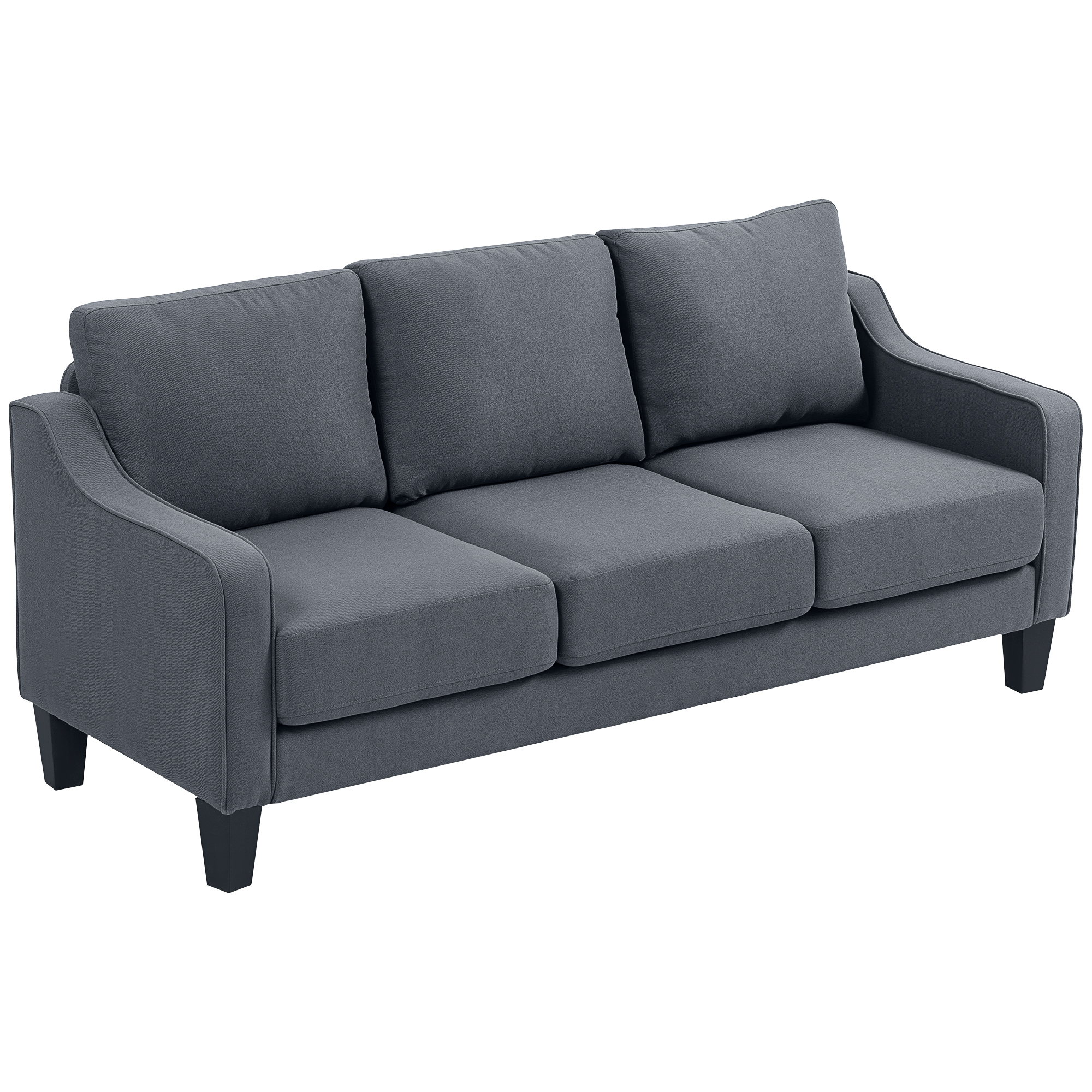
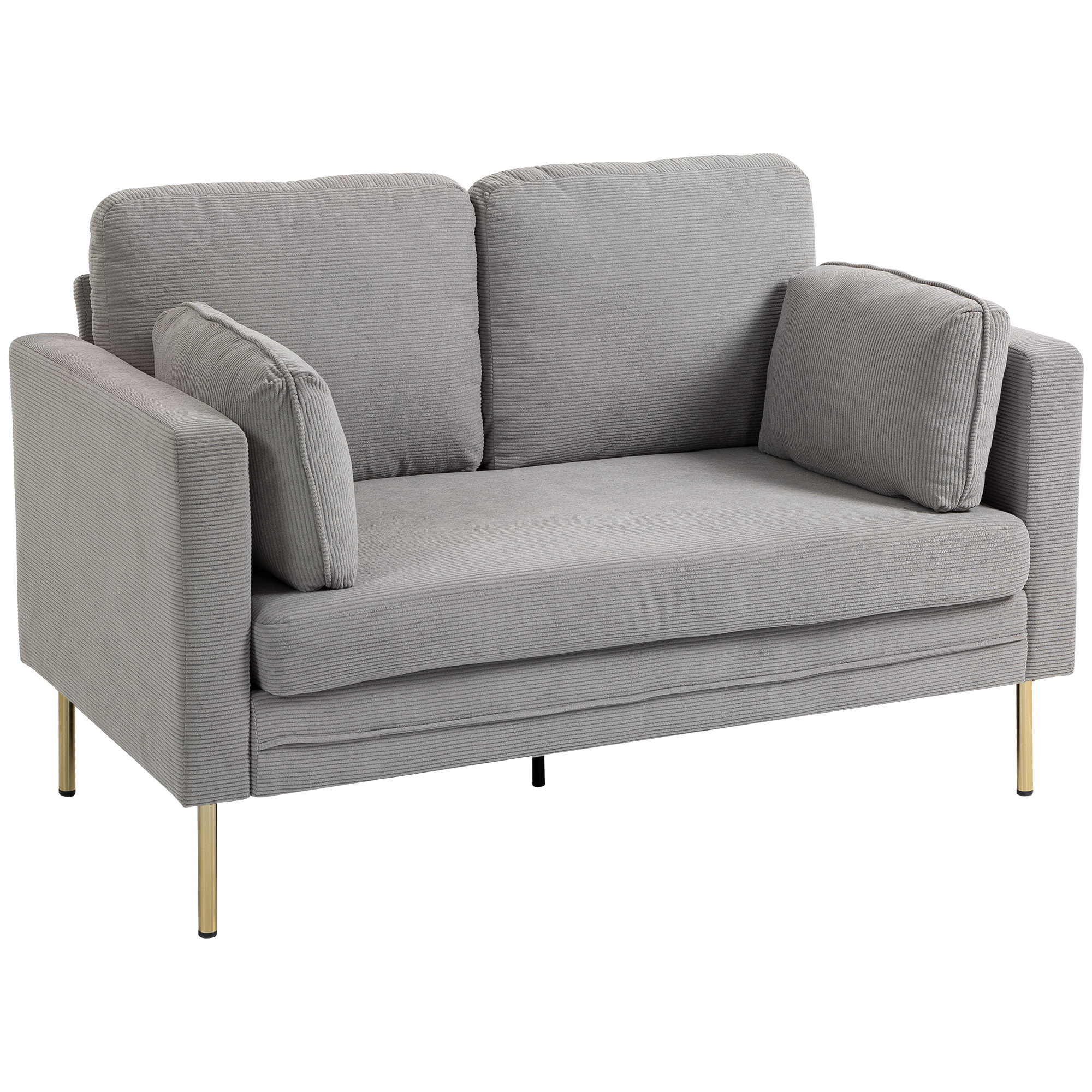
A sofa between 180–210 cm wide works well for most open-plan condo layouts. Go much larger and it dominates; go much smaller and the room loses its anchor. If you’re working with a studio or a very compact one-bedroom, a loveseat or apartment-sized sofa in the 140–160 cm range is the smarter call — our sofa and seating collection at Furniture Flip includes scaled options designed for exactly this kind of space.
For dining, a round table almost always works better than a rectangle in a small space — it takes up less visual real estate, has no awkward corners, and seats the same number of people more comfortably in a tight area.
2. Choose Furniture With Legs
This sounds minor. It isn’t.
Furniture that sits directly on the floor — platform sofas, storage beds with solid bases, slab-sided cabinets — visually shrinks a room by cutting off the sightline at floor level. Your eye has nowhere to go, and the room feels heavier and more closed-in than it is.
Furniture raised on legs does the opposite. The visible floor space underneath each piece creates a sense of continuity across the room, making the whole space feel larger and more open. It’s a trick every good interior designer uses, and it costs nothing extra if you’re buying new.
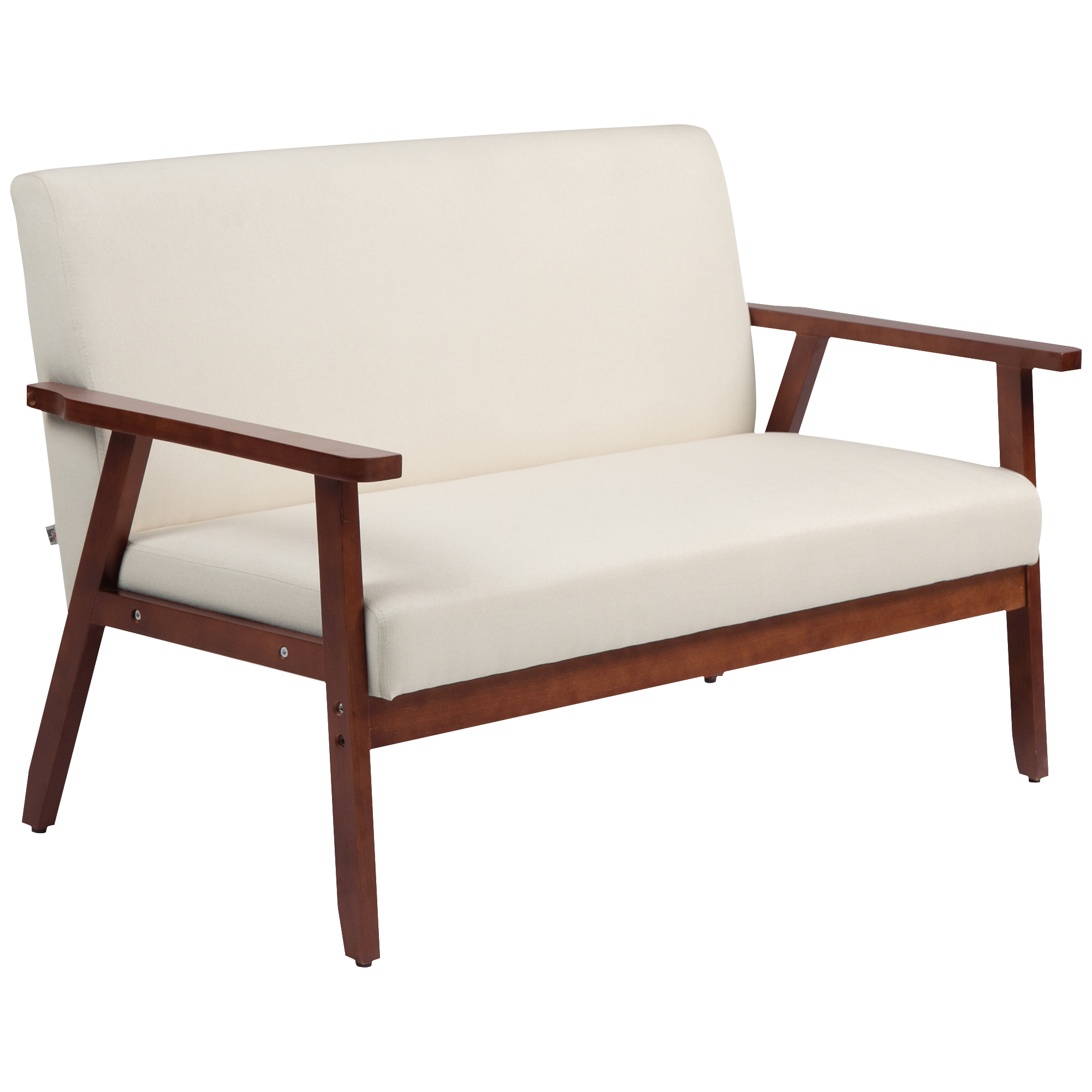
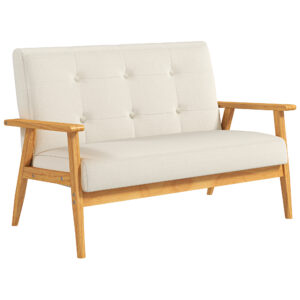
Look for sofas, armchairs, sideboards, and even bed frames with visible legs — even a modest 10–15 cm of clearance makes a real difference. Mid-century modern pieces are particularly good at this, with their tapered legs and low profiles. Browse our accent chairs for legged options that work well in small living rooms alongside a compact sofa.
3. Go Vertical With Storage
In a small Toronto condo, floor space is your most precious resource. Every square metre your storage takes up horizontally is a square metre you can’t use for living.
The solution is to go up.
Floor-to-ceiling shelving units, tall bookcases, and wall-mounted cabinetry take up the same floor footprint as a short bookcase but offer dramatically more storage capacity. They also draw the eye upward, which makes ceilings feel higher and rooms feel more spacious.
Vertical storage ideas that work in condos:
- Floor-to-ceiling open shelving in the living area for books, plants, and display items — looks curated, not cluttered, when styled well
- A tall, narrow cabinet in the entryway for coats, shoes, and everyday essentials that would otherwise pile up on the floor
- Wall-mounted floating shelves in the bedroom instead of a bulky dresser
- A loft bed or elevated bed frame in a studio, with desk or seating space built underneath
The key is to keep vertical storage organized and intentional. Tall storage that’s crammed and chaotic makes a small space feel more overwhelming, not less.
4. Use Multi-Functional Furniture Wherever Possible
In a 650-square-foot condo, every piece of furniture should ideally do more than one job. This isn’t about buying gimmicky convertible furniture that doesn’t do either job well — it’s about making considered choices that eliminate the need for extra pieces.
The multi-functional furniture pieces worth having:
Storage ottomans. One of the highest-value purchases for a small condo. A well-built ottoman with interior storage replaces a coffee table, provides extra seating when guests arrive, and hides the things you’d otherwise be shoving into corners — throws, remotes, magazines, chargers. It’s three pieces of furniture in one footprint.
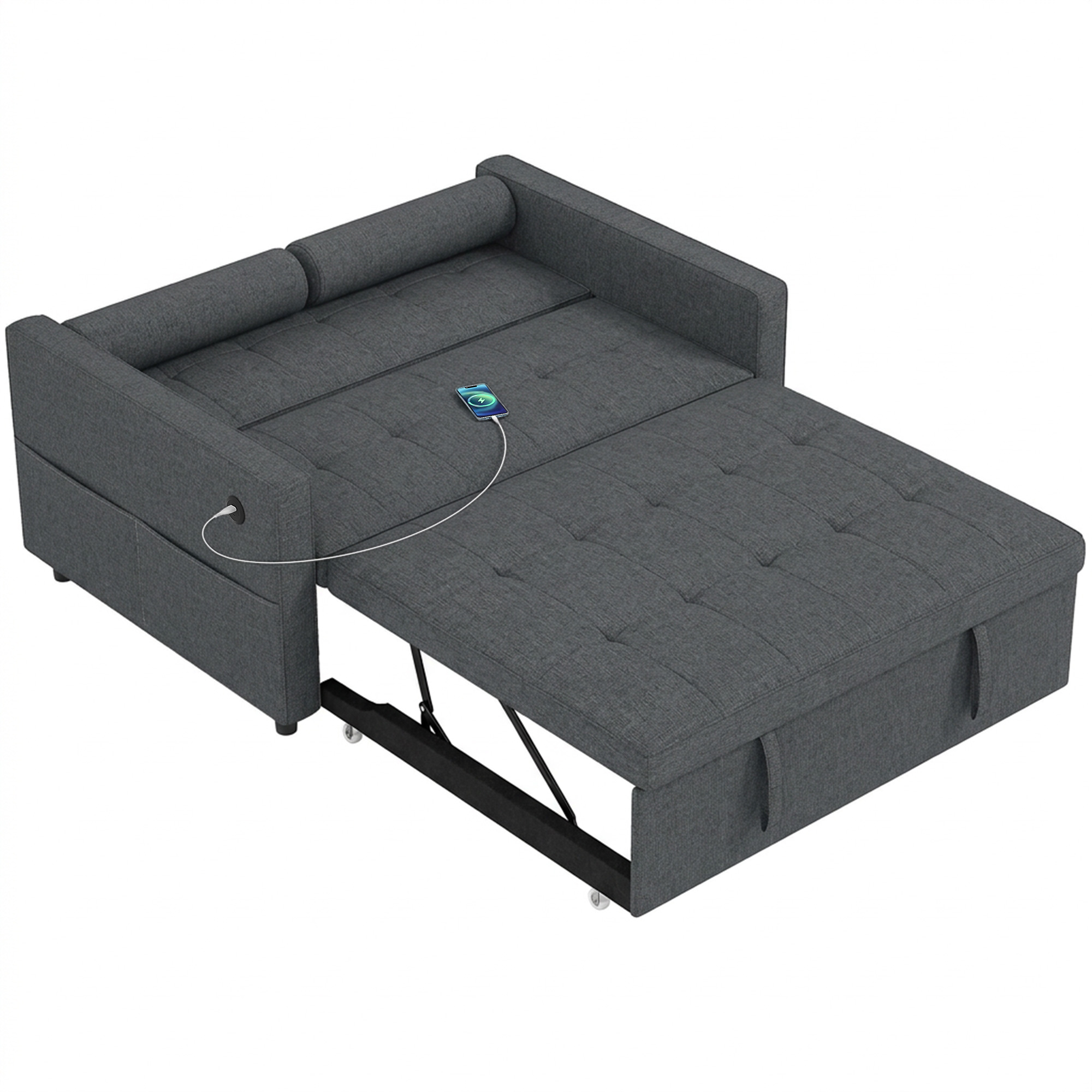
Sofa beds. If you regularly have overnight guests but don’t have a dedicated guest room — which is most Toronto condo dwellers — a quality sofa bed means you don’t need to sacrifice a room for a bed that sits empty 350 nights a year. Look for one with a proper innerspring or foam mattress rather than a thin pull-out bar — the difference in sleep quality for guests is significant.
Extendable dining tables. A table that seats four comfortably at its normal size but extends to seat six or eight for dinner parties is one of the smartest investments for a condo kitchen or dining area. At its compact size it takes up minimal space; extended, it handles entertaining without requiring a dedicated dining room.
Beds with built-in storage. A bed with drawers underneath eliminates the need for a separate dresser in smaller bedrooms. This is one of the highest-impact changes you can make in a studio or one-bedroom — freeing up significant floor space for nothing more than switching out the bed frame.
5. Get the Layout Right Before Anything Else
Furniture placement matters more than the furniture itself. The best sofa in the world will make a room feel cramped if it’s in the wrong position.
The most common mistake in small Toronto condos is pushing all the furniture against the walls — the instinct being that it “opens up” the middle of the room. In reality, it tends to do the opposite. Furniture floating slightly away from walls (even 5–10 cm) creates a sense of depth and makes the room feel more intentional and liveable.
Layout principles that work in small spaces:
Define distinct zones in an open-plan space even without walls. A sofa and rug facing a TV wall creates a “living room zone.” A table and chairs near the kitchen creates a “dining zone.” The visual separation makes each area feel purposeful rather than like one undifferentiated blob of furniture.
Keep traffic flow clear. There should always be at least 80–90 cm of walking space between pieces of furniture. If you find yourself turning sideways to move through a room, something needs to go.
Face your seating toward a focal point — a window, a TV, a fireplace, an art piece. Rooms that have a clear focal point feel organized; rooms that don’t feel restless.
6. Use Mirrors and Light Strategically
Natural light is the most powerful tool for making a small space feel larger — and it costs nothing. Before you buy any furniture, consider how the light moves through your condo during the day, and make sure nothing is blocking it.
Avoid placing tall furniture in front of windows. Keep window treatments as light and minimal as possible — heavy blackout curtains are great for sleeping but make a living room feel like a cave during the day. Sheer panels or simple roller blinds let light in while still providing privacy.
Mirrors are the other tool worth using deliberately. A large mirror on a key wall — particularly one that reflects a window or a light source — effectively doubles the perceived depth of a room. This works especially well in narrow entryways, compact living rooms, and small bedrooms. Position mirrors to reflect light, not clutter.
7. Stick to a Restrained Colour Palette
Colour isn’t magic — a tiny room painted white is still a tiny room — but a consistent, restrained palette does make spaces feel more cohesive and open. The more colours and patterns competing in a small room, the busier and more enclosed it feels.
A practical approach for small Toronto condos: choose one neutral base (warm white, soft grey, warm beige) for walls and large furniture pieces, then bring in two or three accent colours through cushions, throws, artwork, and plants. This keeps the room feeling calm and unified rather than visually fragmented.
If you want colour in your sofa — and there’s nothing wrong with that — commit to it and keep everything else around it more neutral. A deep green or mustard velvet sofa looks intentional and stylish. The same sofa surrounded by a patterned rug, colourful cushions, and a busy gallery wall looks chaotic.
8. Edit Ruthlessly
The final and arguably most important piece of advice for furnishing a small space: less is genuinely more.
Every extra piece of furniture in a small room competes for visual and physical space. A side table you don’t need, an extra chair that’s always in the way, a bookcase that could easily be a floating shelf — each one costs you more than it gives you.
When in doubt, leave it out. A room with breathing room always feels better than one that’s fully furnished. You can always add a piece later; it’s much harder to subtract once everything’s in place.
For more guidance on buying the right pieces without overbuying, read our guide on how to choose a sofa that lasts and our post on why local Toronto furniture stores beat big-box shopping — buying from someone with real product knowledge helps enormously when you’re furnishing a space where every decision counts.
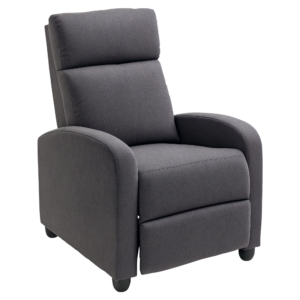
Take a look at these picks!