How to Choose an Accent Chair That Actually Works With Your Room
An accent chair is one of the easiest ways to change the entire feel of a room, and also one of the easiest pieces of furniture to get wrong. The right one pulls a space together. The wrong one sits there looking like it wandered in from a different house.
The difference usually comes down to a handful of decisions made before the chair ever gets ordered.
Start With Its Job, Not Its Looks
Before anything else, decide what the chair is actually for. Is it extra seating for guests? A reading spot in the corner of a bedroom? A decorative anchor next to a window or fireplace? The purpose narrows your options immediately and stops you from choosing a chair that looks great in a photo but does not actually serve your space.
According to Design Within Reach’s guide to accent chairs, thinking through the chair’s purpose first, whether it is for lounging, conversation or simply adding a point of interest to the room, should come before any decision about style or fabric.
Get the Scale Right for the Room
An oversized accent chair in a small living room will dominate the space and block natural movement. A tiny chair in a large open room will look stranded and out of place. Walk the room first, notice the furniture already in place, and look for a chair that feels proportionate to everything around it rather than competing with it.
If you already have an anchor piece like a sofa, the accent chair should feel like a sibling to it, not a twin and not a stranger.
Contrast Is Usually Better Than Matching
One of the most common mistakes is trying to match the accent chair exactly to the sofa or existing furniture. Accent chairs are meant to introduce something different. A neutral sofa pairs beautifully with a chair in a bold colour or interesting texture. A patterned or textured sofa often calls for a calmer, more solid coloured chair to balance things out.
This is the same philosophy behind our post on Scandinavian vs Japandi furniture styles, where the goal is intentional contrast rather than a matched set, letting each piece earn its place in the room instead of blending in.
Think About Material Before Style
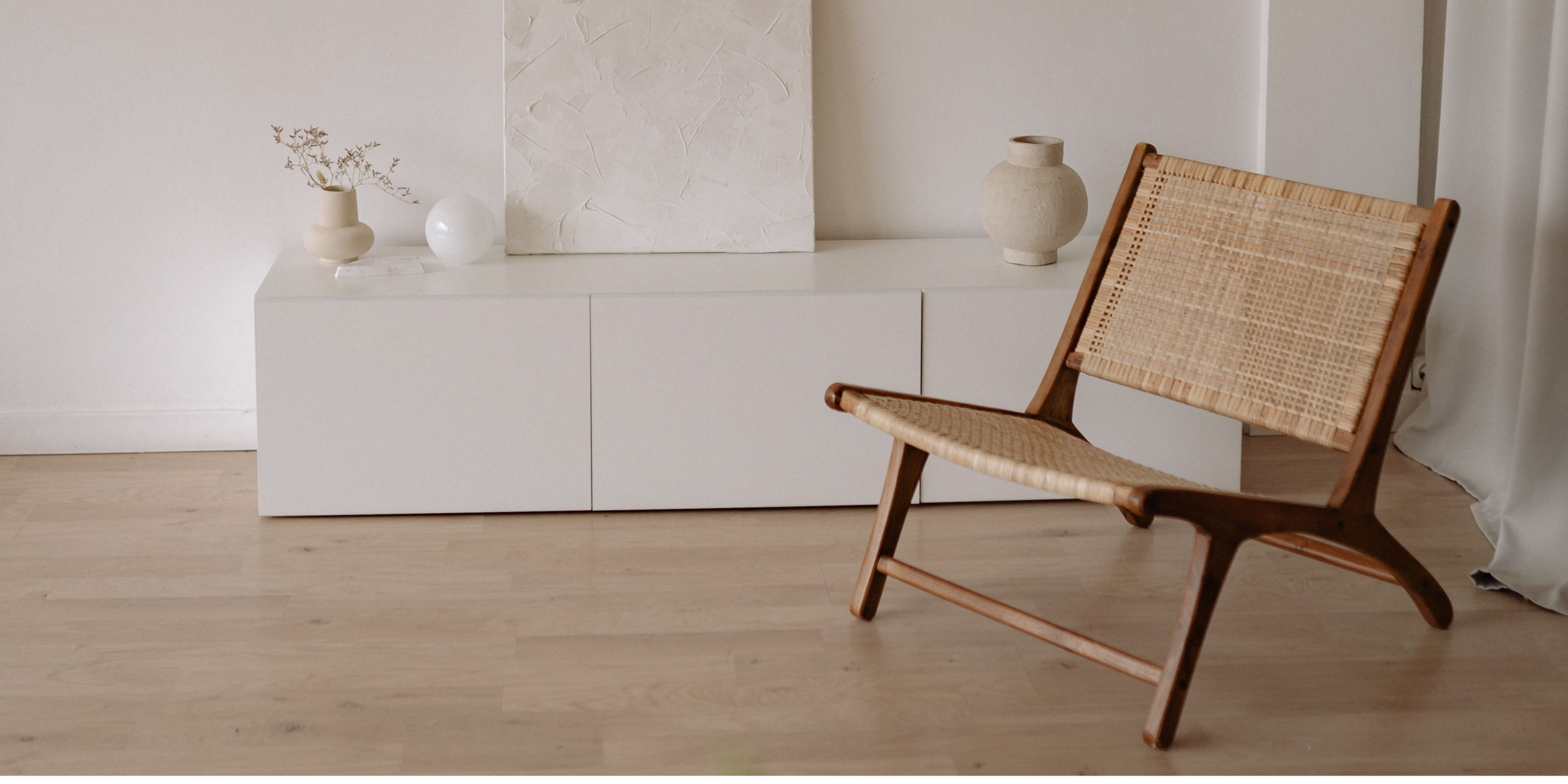
Leather and performance fabrics hold up well in busy households with kids or pets and are easy to keep clean. Boucle, velvet and linen bring softness and texture but may need more care over time. Wood and metal framed chairs tend to read as more modern or transitional, while fully upholstered chairs feel warmer and more traditional.
The Home Depot’s guide to choosing an accent chair notes that wood accent chairs offer a classic, warm, and natural look that fits everything from rustic farmhouse to mid century styles, while metal versions tend to feel more modern, industrial or minimalist. Choosing the material first, before falling for a specific look, helps narrow the field fast.
Let It Tie Into the Style You Already Have
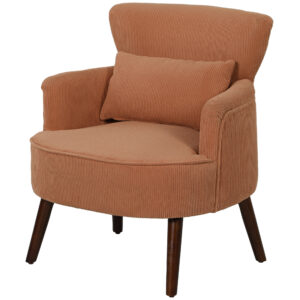
If your living room already leans mid century modern, a chair with tapered wood legs and a low profile silhouette will feel like it belongs, the same way we covered in our guide on getting the mid century modern look in a Canadian home. If your space is more Scandinavian or Japandi inspired, look for cleaner lines, natural materials and a quieter colour palette instead.
For chairs that work across a range of these styles, our seating furniture collection includes options suited to both bold statement placements and quieter, more understated corners.
Placement Matters As Much As the Chair Itself
A great accent chair in the wrong spot still feels off. Common placements that work well include beside a fireplace, opposite a sofa to create a conversation area, tucked into a reading corner near natural light, or paired with a small side table near a window. Think about how the chair will actually be used in that spot, not just how it photographs there.
What to Avoid
Skip chairs that are purely decorative with no real comfort, since they tend to become the piece nobody actually sits in. Avoid choosing a chair that matches your existing furniture too closely, since it ends up disappearing into the room instead of adding anything. And resist buying based on a single photo without considering how the scale and colour will actually read in your specific space and lighting.
Bringing It All Together
The best accent chairs do double duty. They are comfortable enough to actually use and interesting enough to be worth looking at. Once you know the chair’s job, its ideal scale, and how it should relate to the furniture already in the room, the style decisions tend to fall into place on their own.