How to Choose the Right Dining Table Size for Your Space
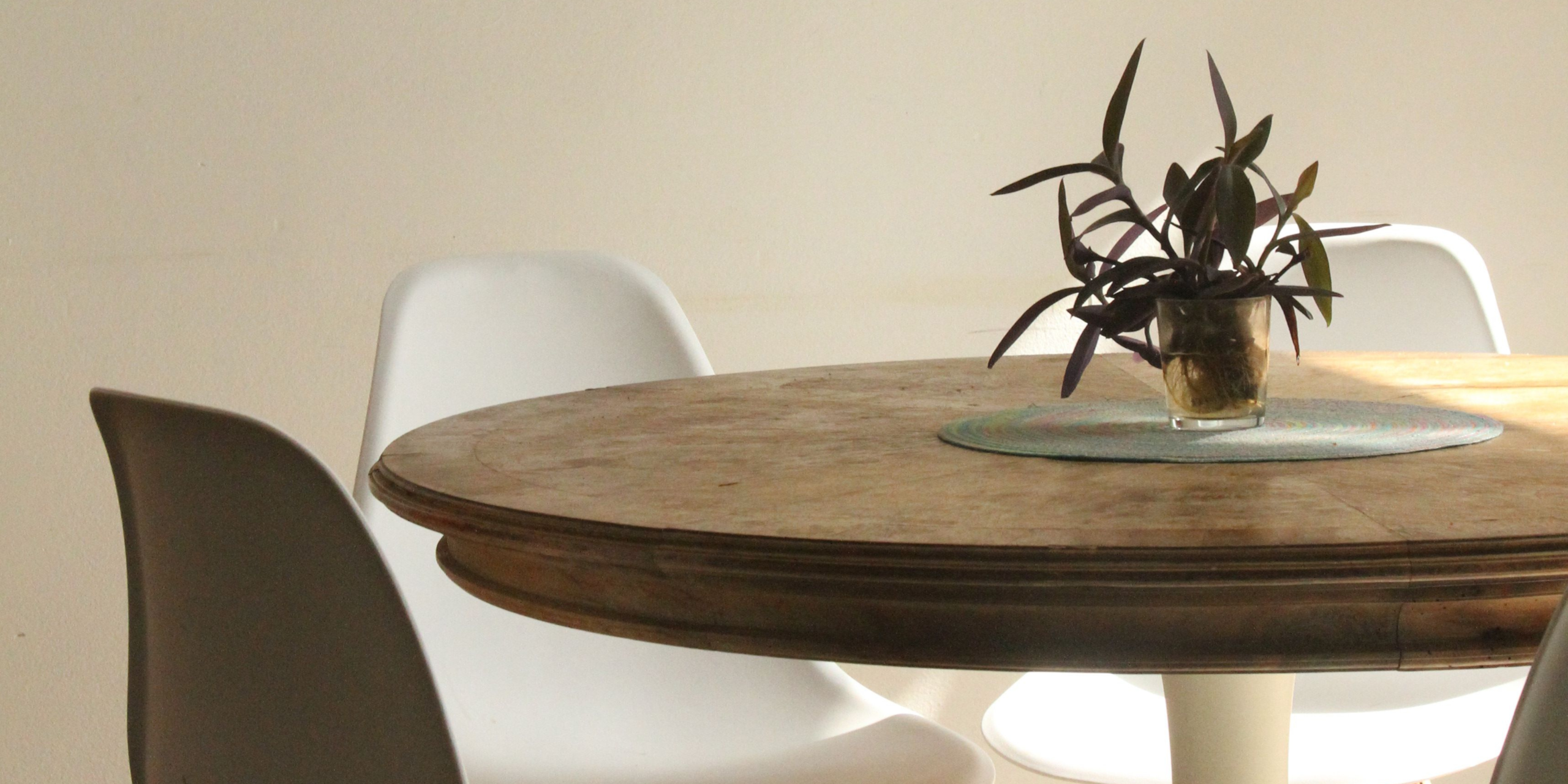
The good news is that getting the size right is not about luck. It comes down to a few simple steps that take the guesswork out of it before you ever click buy.
Start With the Room, Not the Table
It is tempting to fall in love with a table style first and then try to make it work. Flip that order. Walk into your dining space, look at the actual shape of the room, and notice where the doorways, walkways and other furniture sit. The room tells you what is possible long before the table does.
A narrow galley style dining area calls for a different table than an open concept space that flows straight into the kitchen. Pay attention to how people will need to move around the table once it is in place, not just how the table looks sitting empty in a showroom photo.
How Many People Do You Actually Need to Seat
This is the question that should drive everything else. Be honest about how you actually use the space, not how you imagine using it on a hypothetical dinner party night. A family of four that occasionally hosts six does not need the same table as a household that regularly seats ten for Sunday dinner.
Once you know your seating number, you have a real anchor point. Everything from length to shape becomes easier to decide because you are working from a need instead of a guess.
Shape Changes the Math
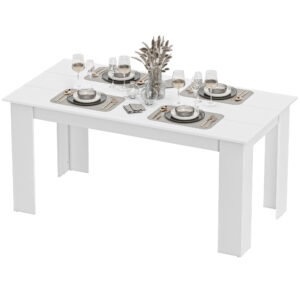
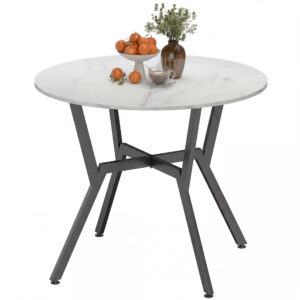
Rectangular tables tend to suit longer rooms and offer the most flexibility for larger groups. Round tables work beautifully in square rooms or smaller spaces, and they tend to make conversation easier since everyone can see everyone else. Oval tables soften the look of a rectangular footprint while still seating a similar number of people. Square tables create a cozy, intimate feel but usually max out around four to six seats comfortably.
According to West Elm’s dining table size guide, shape should be one of the first decisions you make, right alongside room dimensions, since it directly affects how many people the table can realistically hold.
Leave Room to Actually Move
This is the part most people forget until they are living with the table. You need enough clearance around the table for chairs to pull out and for people to walk past comfortably, even when guests are seated. A table that technically fits the room but leaves no breathing room around it will feel cramped every single day, even if it looked perfect in the listing photo.
A simple trick before you buy anything is to use painter’s tape to outline the table’s footprint directly on your floor. Add chairs to the outline and walk around it for a few days. You will know almost immediately if it feels right or if it is going to be a daily frustration.
Matching the Table to Your Type of Space
If you are working with an open concept layout, you have more flexibility, since the table does not need to feel boxed in by walls on every side. If your dining area is a defined nook or a separate room, the table needs to feel proportionate to that smaller footprint rather than dominating it.
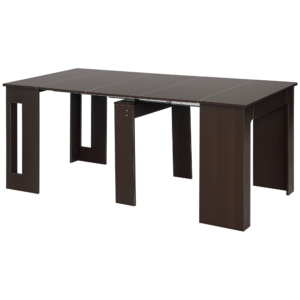
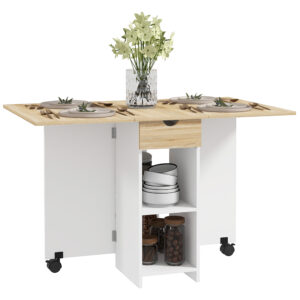
For smaller dining areas, our tables collection includes a range of compact and extendable options that work well in tighter Canadian homes, from condos to older builds with smaller dining rooms.
Pair It With the Right Seating
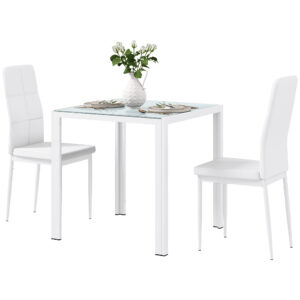
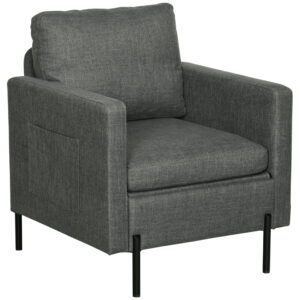
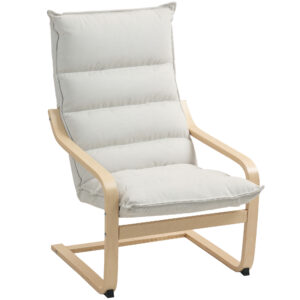
Once the table size is settled, the chairs need to match that scale. Oversized chairs around a smaller table will eat up the clearance you worked hard to preserve, while chairs that are too small can make a larger table feel unbalanced. Browse our seating furniture selection to find chair styles that are proportioned to work with a range of table sizes, rather than locking yourself into a single matched set.
What to Avoid
A few common mistakes worth steering clear of. Buying a table based purely on how it looks online without measuring your actual room. Forgetting to account for extension leaves when the table is fully expanded. Ignoring how close the table will sit to a wall, buffet or doorway once chairs are pulled out. And assuming a floor plan diagram tells you everything, when walking the space yourself almost always reveals something the diagram missed.
As Raymour & Flanigan’s dining table guide points out, testing clearance with tape on the floor before committing is one of the most reliable ways to avoid a sizing mistake, since it shows you the real footprint rather than an imagined one.
The Simple Test Before You Commit
Tape down the shape, live with it for a few days, walk through your normal routine around it, and pay attention to whether it feels natural or like an obstacle. If it still feels right after a few days of walking past it, you have found your size.
A dining table is not just a place to eat. It becomes the room people gather around, year after year. Taking the time to get the size right means you get a table that actually works for the way you live, instead of one you are quietly working around.
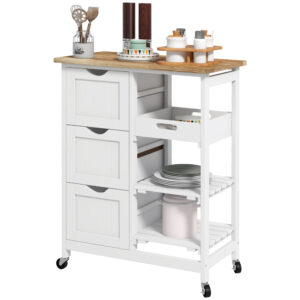
Take a look at these picks!