Scandinavian vs Japandi Furniture Style: Which One Works Better for Canadian Homes
If you have spent any time looking at furniture or interior design content in the last few years, you have seen both of these styles everywhere. Scandinavian design has been a dominant force in Canadian homes for decades. Japandi — the hybrid of Japanese minimalism and Scandinavian functionality — arrived more recently and has not slowed down since.
At first glance they look almost identical. Both are minimal. Both use natural materials. Both avoid clutter and unnecessary ornamentation. But they are not the same style, and choosing the wrong one for your space, your light conditions, and your lifestyle produces a result that never quite feels right. This guide breaks down exactly how they differ and which one works better depending on your specific situation.
What Scandinavian Design Actually Means
Scandinavian design came out of practical necessity. Long winters and limited daylight in Northern Europe produced a design philosophy built around light, warmth, and function. The goal was to make homes feel bright and liveable even during months of near-total darkness.
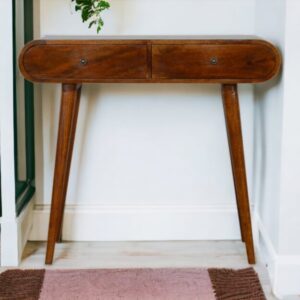
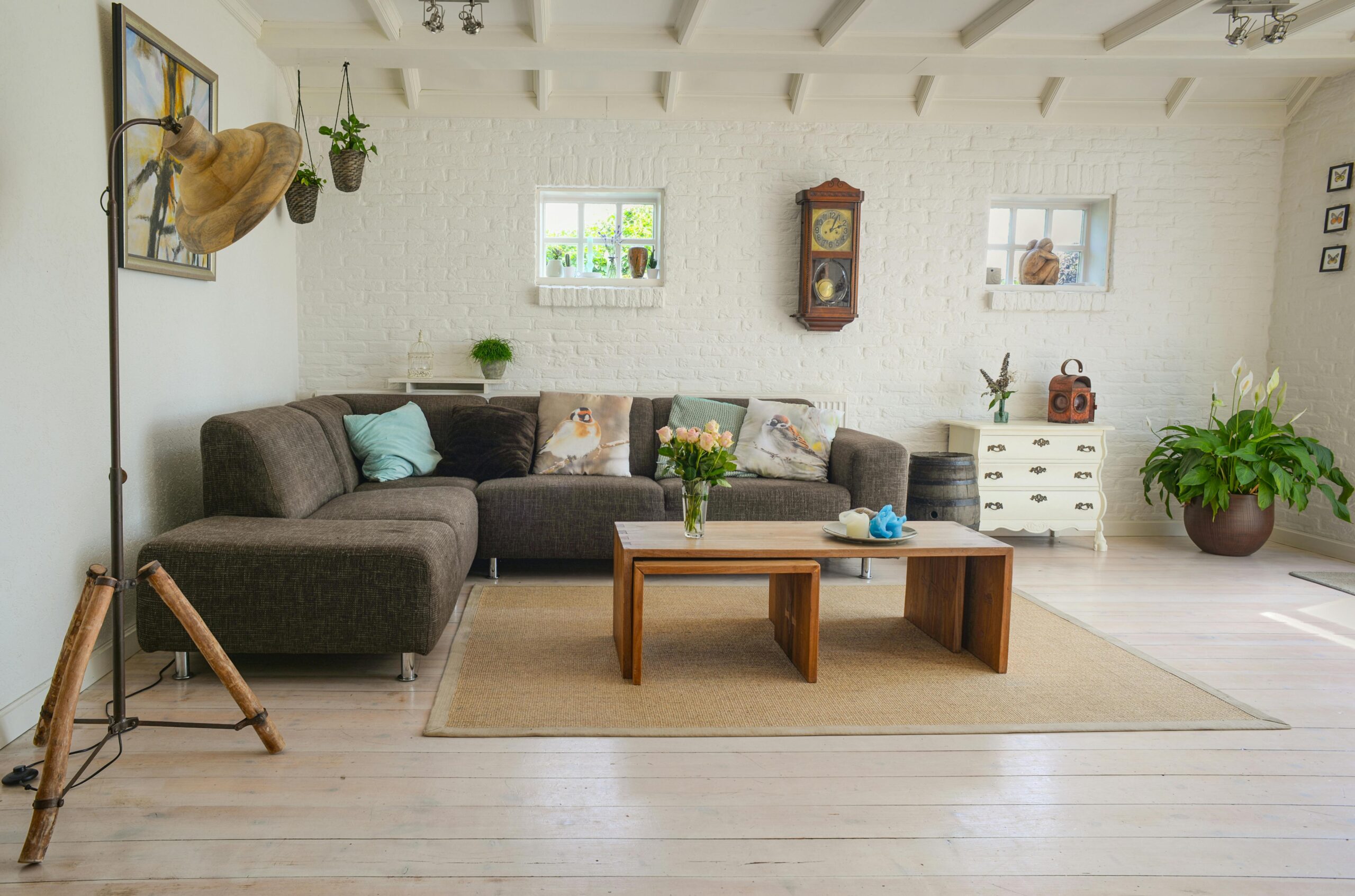
In furniture terms, Scandinavian design means light wood tones — birch, ash, pine — white and soft grey walls, clean lines, and textiles that add warmth without visual weight. Wool throws, linen cushions, sheepskin accents. The Danish concept of hygge — a sense of cozy togetherness — sits at the centre of the style. Scandinavian rooms feel casual and approachable. They are minimal but not austere. They are functional but not cold.
The colour palette is soft and light-forward: whites, pale greys, muted blues, and warm off-whites. Pops of muted colour — a dusty terracotta cushion, a sage green ceramic — appear in accessories rather than in the furniture itself.
What Japandi Design Actually Means
Japandi is a more recent hybrid, blending Scandinavian functionality with Japanese minimalism. Both traditions value simplicity and natural materials, but the Japanese influence — specifically the philosophy of wabi-sabi, which finds beauty in imperfection and restraint — pushes Japandi into different visual territory.
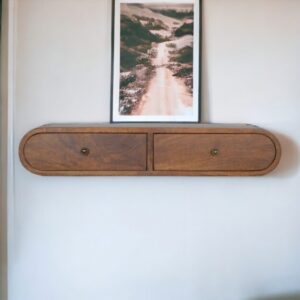
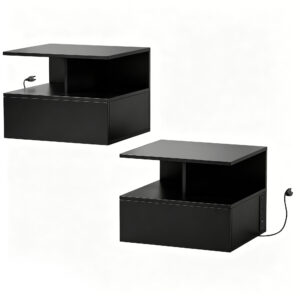
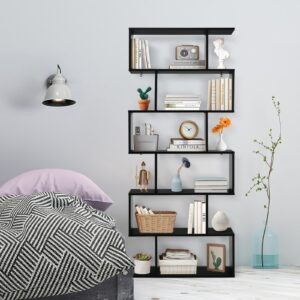
Where Scandinavian design is light and airy, Japandi is grounded and earthy. The palette moves beyond the lighter tones of Scandinavian design into muted neutrals, earthy browns, taupe, charcoal, and even touches of black. Where Scandinavian furniture tends toward softer, more organic curves, Japandi furniture is generally lower and visually calmer, with more straight lines and a look where function comes first. Line and Dot StudioVechtdal Meubels
Wood tones in a Japandi interior skew darker. Walnut, black-stained oak, and darker natural finishes replace the pale birch and ash of Scandinavian design. Ceramics, rattan, bamboo, and handmade objects add texture without decoration. The overall atmosphere is more contemplative than cozy — meditative rather than welcoming in the casual Scandinavian sense.
Where They Overlap and Why People Confuse Them
The confusion between the two styles is understandable because their foundations are genuinely similar. As covered in Line and Dot Studio’s comparison of Japandi and Scandinavian design, both styles avoid clutter, prioritize functionality and quality over quantity, and rely on natural materials — wood, linen, cotton, and stone — as the foundation for furniture and finishes. Both produce rooms that feel calm, uncluttered, and considered.
The difference is in the atmosphere each style creates. Scandinavian rooms feel bright, casual, and inviting. Japandi rooms feel grounded, refined, and serene. One style says come in and get comfortable. The other says slow down and be still.
How Light Conditions in Canadian Homes Affect the Choice
This is the practical consideration that most style guides skip over, and it matters significantly in a Canadian context.
Canadian homes in most provinces deal with the same light challenge that produced Scandinavian design in the first place: long, dark winters with limited natural light for months at a time. Scandinavian design was built to solve exactly this problem. The light palette, the reflective surfaces, the emphasis on maximizing whatever daylight exists — all of it addresses the reality of low-light living.
Japandi’s darker palette and earthier tones look exceptional in homes with strong natural light or in warmer climates where rooms are filled with light for most of the year. In a Canadian home with north-facing rooms, small windows, or significant winter darkness, a full Japandi palette can feel heavy for several months of the year. A room that looks grounded and refined in September can feel dim and enclosed in January.
If your Canadian home has large south-facing windows and good natural light year-round, Japandi works beautifully. If your home struggles with light for a significant part of the year, a Scandinavian base with Japandi accents is a more practical approach.
The Furniture Differences That Actually Matter
Beyond colour and atmosphere, the two styles produce meaningfully different furniture choices.
Scandinavian sofas tend to have softer profiles, slightly curved arms, and lighter upholstery — oatmeal, cream, soft grey. The frame is often light wood, tapered legs, and the overall silhouette reads as approachable and comfortable. Browse the sofa collection at Furniture Flip for Scandinavian-influenced options in light frames and neutral upholstery that suit Canadian living rooms well across different light conditions.
Japandi sofas are lower, more architectural, and often upholstered in more textured fabrics — boucle, chunky linen, or deep-toned velvet. The profile is flatter, the legs are shorter or absent entirely, and the silhouette is deliberately calm rather than inviting.
In the bedroom, the difference is equally clear. Japandi furniture often features low-profile, multifunctional pieces that blend Japanese and Scandinavian design elements. Low platform beds with minimal or no headboards, or headboards in simple dark wood or upholstered in flat fabric, define the Japandi bedroom. Scandinavian beds tend to sit at a more standard height with cleaner but slightly softer headboard profiles. Browse the bed collection at Furniture Flip for platform and low-profile options that work for both styles depending on the finish and upholstery you pair them with.
Which Style Works Better for Small Canadian Spaces
For apartments, condos, and smaller Canadian homes, Scandinavian design has a practical edge. The light palette expands perceived space. Light wood tones and white or off-white walls make rooms feel larger than they are. The emphasis on functional, multipurpose furniture aligns well with the reality of small-space living.
Japandi can work in small spaces but requires more careful execution. The darker tones and earthier palette need sufficient natural light to avoid making a small room feel enclosed. In a well-lit compact space with good south-facing exposure, Japandi reads as intentional and refined. In a small north-facing apartment, it can read as dark.
As 2Modern’s breakdown of Scandinavian versus Japandi notes, Scandinavian style is more subdued and straightforward and typically better suited to spaces that benefit from light tones, while Japandi tends to favour bolder contrasts through colour and materials — an approach that works best when the space and the light can support it.
The Hybrid Approach Most Canadian Homes Actually Use
In practice, the most successful Canadian interiors influenced by these styles do not commit to one exclusively. They use Scandinavian design as the structural base — light walls, light wood floors, functional furniture in neutral tones — and layer in Japandi elements through accessories, textiles, and accent pieces.
A light linen sofa on a pale oak floor is Scandinavian. Add a low walnut coffee table, a few handmade ceramics, a dark rattan pendant light, and a single large-leaf plant, and the room takes on a Japandi quality without losing the light and openness that Canadian winters make practical. The two styles sit close enough in their foundations that blending them produces a result that feels cohesive rather than conflicted.
The Bottom Line
Scandinavian design works better for Canadian homes with limited natural light, smaller spaces, and a preference for rooms that feel warm and approachable. Japandi works better for well-lit homes where a more grounded, refined, and contemplative atmosphere is the goal.
If you are unsure which direction suits your space, start with a Scandinavian structural base and introduce Japandi elements gradually through accessories and accent furniture. It is a more forgiving entry point and gives you room to shift the balance as you live in the space.
Take a look at these picks!