Solid Wood vs Engineered Wood Furniture: What Is Actually Worth Paying More For in Canada
Walk into any furniture store in Canada and you will hear some version of the same pitch. Solid wood is premium. Engineered wood is budget. Buy solid if you can afford it. Settle for engineered if you cannot.
That framing is too simple and in some cases it leads Canadian homeowners to spend more than they need to on pieces where it does not matter, and less than they should on pieces where it absolutely does.
This guide cuts through the noise. Here is what the difference actually means, which pieces justify the premium, and where engineered wood is genuinely the smarter call.
What Solid Wood Actually Means
Solid wood furniture is made from natural lumber cut directly from a tree. Each piece carries the continuous grain, density, and character of the wood it came from. Common species used in Canadian furniture include oak, maple, walnut, ash, pine, and birch.
The key characteristic of solid wood is that the material runs all the way through the piece. What you see on the surface is what the entire piece is made of. This matters for durability because solid wood can be sanded, refinished, and repaired over and over again without hitting a different material underneath.
A solid hardwood dining table that gets scratched after five years can be sanded smooth and refinished to look new. That same repair on an engineered wood piece is either impossible or produces an obviously patched result.
What Engineered Wood Actually Means
Engineered wood is a broad category that includes several different products, and not all of them are equal. Understanding the distinctions matters before writing off the entire category.
Plywood is made from thin layers of wood veneer glued together in alternating grain directions. It is genuinely strong, resists warping well, and is used in high quality cabinet and furniture construction. Plywood is not a cheap material and should not be confused with the lower end of the engineered wood spectrum.
MDF, or medium density fibreboard, is made from fine wood fibres compressed with resin under heat and pressure. It has a very smooth surface that takes paint beautifully, which is why it is common in painted furniture. It is heavier than plywood, does not hold screws as well over time, and is sensitive to moisture.
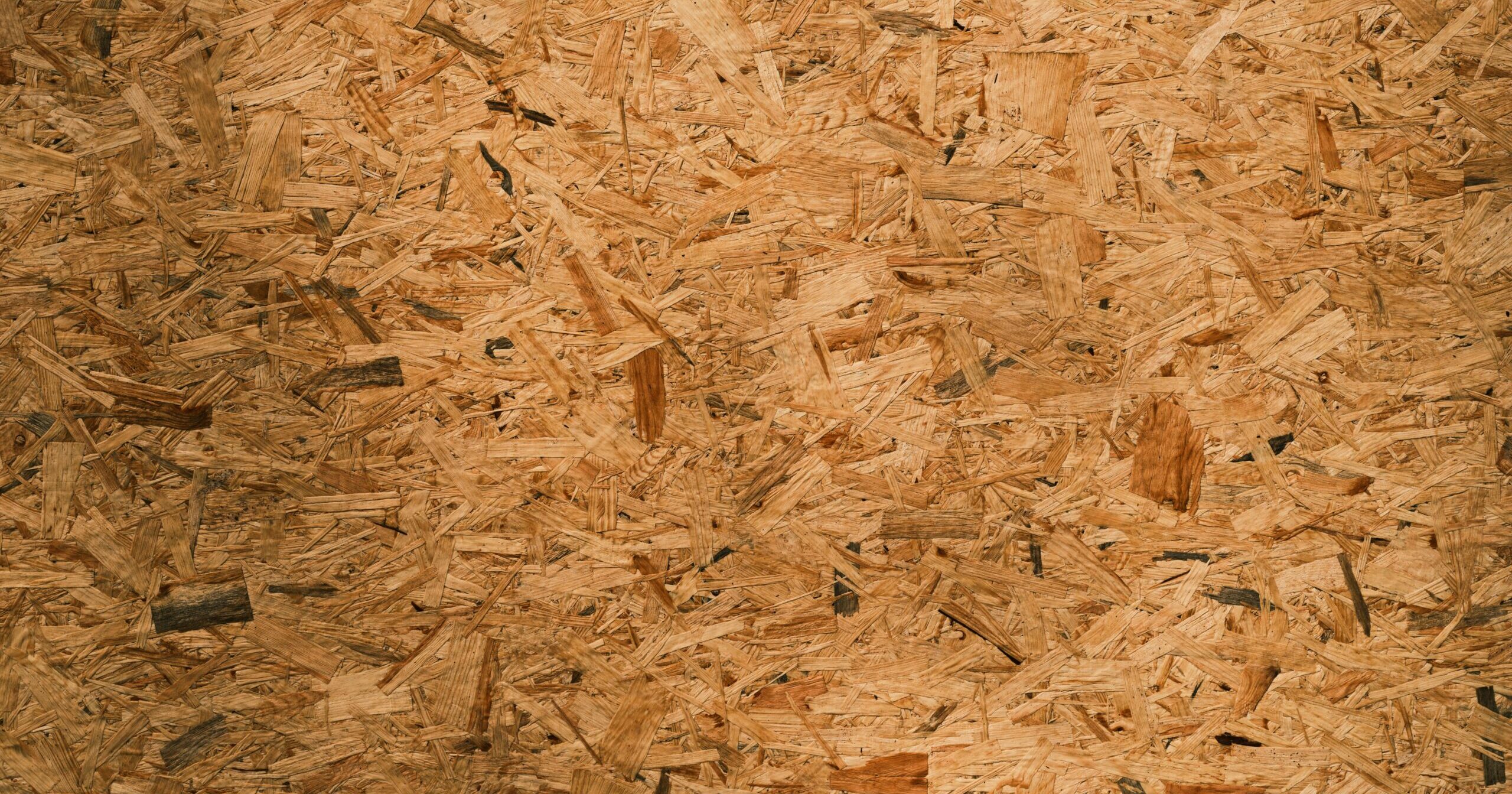
Particle board is the lowest grade engineered wood used in furniture. It is made from coarse wood chips and sawdust bound with adhesive. It is inexpensive, light, and used extensively in flat pack furniture sold by major big box retailers. Particle board is the material most people picture when they think of cheap furniture that does not last.
The important point is that engineered wood can mean plywood or it can mean particle board. Those are not the same thing and the difference in quality between them is significant.
How Canadian Climate Affects This Decision
This is a point that does not come up enough in furniture buying conversations but is particularly relevant for Canadian homeowners.
Canada has one of the most dramatic seasonal humidity swings of any country where large numbers of people live in permanent homes. Summer humidity in Toronto and the GTA can run 70 to 80 percent. Winter indoor air, heated and dry, can drop to 20 to 30 percent humidity or lower. That is a significant swing and natural wood responds to every point of it.
Solid wood expands in humid summer conditions and contracts in dry winter conditions. In a well made solid wood piece this is accounted for in the joinery, which is designed to allow for movement. In a poorly made solid wood piece or one that is placed in a very exposed location, this movement can cause cracking, warping, or joint separation over time.
Engineered wood, particularly high quality plywood, resists this movement more effectively because the alternating grain directions in its layers cancel out expansion forces. This dimensional stability is a genuine advantage in the Canadian climate, particularly for large flat surfaces like tabletops and shelving that are exposed to full width seasonal movement.
This does not mean engineered wood is better than solid wood in Canada. It means the Canadian climate is a real factor worth weighing, especially for pieces placed near windows, exterior walls, or in rooms with variable heating and humidity.
Where Solid Wood Is Worth Every Dollar
Some pieces of furniture justify the solid wood investment clearly and consistently.
Dining tables take daily use from multiple people over decades. They get scratched, spilled on, and knocked. A solid hardwood dining table can absorb all of that and be refinished back to new condition multiple times over its life. An engineered wood dining table with a veneer surface has a much shorter refinishing window and eventually cannot be restored once the veneer layer is compromised.
Beds are structural furniture that support significant weight every single night. A solid wood bed frame maintains its joint integrity under that repeated load far longer than particle board or MDF. The cam lock joints used in engineered wood bed frames loosen progressively under nightly loading and are one of the most common failure points in flat pack furniture.
Dressers and storage furniture that will be opened and closed hundreds of times a year benefit from solid wood drawer construction. Drawer bottoms and sides in solid wood hold their shape and the hardware stays tight far longer than engineered alternatives.
Browse the bedroom furniture collection at Furniture Flip for solid wood beds and dressers, and the dining table collection for hardwood dining options suited to Canadian homes.
Where Engineered Wood Is the Smarter Call
There are real situations where engineered wood is not just acceptable but genuinely the better choice.
Painted furniture almost always uses MDF for the surface, and for good reason. MDF has no grain variation, which means a painted finish goes on perfectly smooth with no raised grain bleeding through. A solid wood piece with a painted finish will often show grain texture and require more coats to achieve the same level of smoothness. If you want a painted white or coloured piece, engineered wood with a quality MDF surface is frequently the better aesthetic result.
Furniture for short term or transitional living situations does not need to be solid wood. If you are furnishing a rental, a first apartment, or a space you plan to leave within a few years, spending the solid wood premium for pieces you may not take with you or that will be moved multiple times is not always the right allocation of budget.
Shelving and media units where weight loads are moderate and the piece is unlikely to need refinishing are often fine in quality plywood construction. The dimensional stability of plywood actually makes it a good choice for large shelving units that need to stay flat and true over time.
How to Tell What You Are Actually Buying
Furniture listings are not always clear about what material you are getting. Here are the practical ways to tell.
If a listing says solid oak, solid maple, or solid walnut, that is the real thing. If it says oak finish, oak look, or oak veneer without specifying solid, the base material is engineered wood with a surface treatment.
In person, pick up a corner of the piece. Solid wood is noticeably heavy. Particle board furniture feels light relative to its size. Look at unfinished edges or the underside of drawers. Solid wood shows consistent grain throughout. Particle board shows a compressed chip texture on unfinished surfaces. MDF shows a very fine, smooth grey interior.
For a detailed breakdown of how to identify wood types in furniture before you buy, Modern Home Furnishings has a thorough guide on solid wood vs engineered wood construction that covers what to look for at different price points in the Canadian market.
The Honest Summary
Solid wood is worth the premium for pieces that take daily structural load and need to last decades. Beds, dining tables, dressers, and solid storage furniture are the clearest cases.
Engineered wood is a perfectly reasonable choice for painted pieces, short term situations, and shelving where the structural demands are lower. Quality plywood construction in particular is not a compromise. It is a deliberately chosen material with real advantages.
The mistake is treating this as a blanket rule in either direction. Buy solid where it matters. Buy quality engineered where solid is unnecessary. And always check what you are actually getting before handing over your money.
For more guidance on how to identify quality construction across all furniture types, the team at Old Hippy Fine Home Furnishings, a Canadian furniture retailer, has a practical breakdown of what separates solid wood from engineered wood that is worth reading before your next purchase.