Best Bookshelves for a Home Office or Small Space in Canada
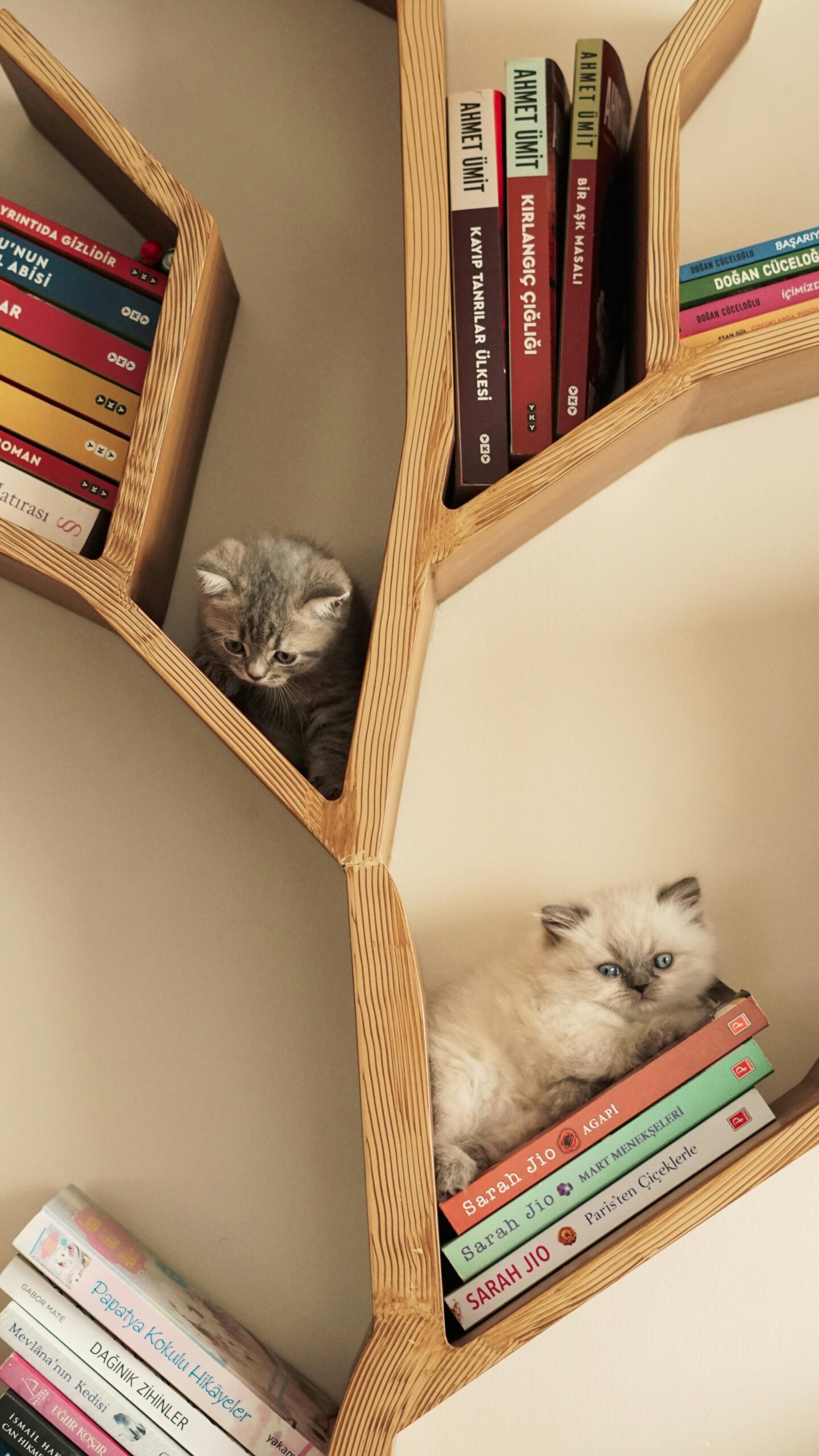
A bookshelf in a small home office is either a smart use of space or a complete waste of it. There’s not much middle ground.
Pick the wrong one and it eats up floor space, looks bulky, and still doesn’t hold what you need. Pick the right one and it organizes your workspace while making the room feel bigger and more intentional.
This guide breaks down how to choose a bookshelf that actually works in a small home office or compact Canadian living space.
Why Bookshelf Choice Matters in Small Spaces
In a large room, a bookshelf is just storage. In a small home office, it becomes part of the layout.
It affects how open the room feels, how much you can store vertically, and how cluttered your workspace looks. A bulky bookshelf in a tight room can make the entire space feel cramped. A well-sized one does the opposite.
Go Vertical or Regret It
If you’re working with limited square footage, height is your advantage.
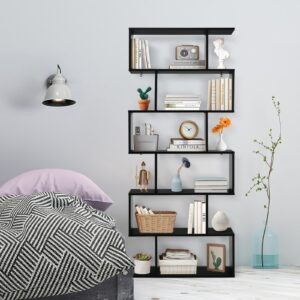
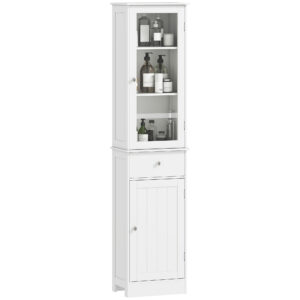
Tall, narrow bookshelves use vertical space instead of eating into your floor area. This keeps your workspace open while still giving you enough storage.
Short, wide shelves might look good in photos, but in a small office they take up valuable wall width and limit what else you can place in the room.
For most small Canadian home offices, a bookshelf that is at least 5 to 6 feet tall with a narrow profile will outperform wider options.
Depth Is Where People Mess Up
Most people don’t even think about depth until it’s too late.
Standard bookshelves are often deeper than necessary, especially if you’re mainly storing books, small decor, or office supplies. In a tight room, extra depth pushes into your walking space and makes everything feel tighter.
Look for shelves around 10 to 12 inches deep for most home office needs. That’s enough for books and storage without wasting space.
Open vs Closed Storage
This is where people pretend they’re organized when they’re not.
Open shelving looks clean if you keep it clean. If you don’t, it turns into visible clutter fast. Closed storage hides everything but can feel heavier visually.
The best option for most people is a mix. Open shelves for frequently used items and a few closed compartments or bins for everything else you don’t want on display.
Material and Finish Matter More Than You Think
In a small office, heavy dark furniture can make the room feel even smaller.
Lighter wood tones, white finishes, or soft neutral colours reflect light and keep the space open. This is especially important in condos or apartments where natural light might already be limited.
Match the Bookshelf to Your Workflow
Your bookshelf should support how you work, not just sit there looking decent.
If you use physical files, you need adjustable shelves. If you mostly store books and decor, fixed shelves are fine. If you mix work and personal items, spacing flexibility matters more than style.
Ignoring this is how people end up with shelves that look good but function terribly.
Placement Makes or Breaks the Room
Where you place the bookshelf matters just as much as what you buy.
Positioning it against a wall near your desk keeps everything accessible without interrupting flow. Placing it in a corner can maximize unused space. Using it as a divider in a studio layout can create separation without adding walls.
Choosing the Right Bookshelf for Your Space
The best bookshelf is not the one that looks the nicest online. It’s the one that fits your room, holds what you need, and doesn’t make your space harder to use.
If you’re looking for options designed for smaller layouts, browse: Furniture Flip Storage Furniture.
And if you’re building out a full workspace, make sure your desk and storage pieces actually work together: Furniture Flip Office Furniture.