The Complete Guide to Furnishing a New Home on a Budget in Canada

Getting the keys to a new home or apartment is one of the best feelings there is. What comes immediately after — the dawning realization of how much furniture you actually need — is often considerably less exciting.
Here’s the reality: according to Furniture Bank, a Toronto-based social enterprise, the average cost to furnish a one-bedroom apartment in Canada is $8,353. For a full house, that number climbs fast — most Canadian homeowners spend between $10,000 and $25,000 furnishing a new place, depending on size and how much they already own.
That’s a significant expense, especially when it comes on top of first and last month’s rent, a down payment, closing costs, or moving fees.
The good news: you don’t have to spend anywhere near those averages to have a home that looks and functions well. You just need a strategy.
This guide gives you that strategy — what to buy first, where to save, where to spend, how to shop, and how to build a furnished home over time without going into debt or filling it with furniture you’ll regret.
Step 1: Resist the Urge to Furnish Everything at Once
The biggest and most expensive mistake new homeowners and renters make is trying to furnish an entire home in a single weekend. You go to IKEA on Saturday, fill a cart with everything that looks roughly right, spend $3,000 on things that don’t quite fit, and spend the next three years living with furniture you never really wanted.
The smarter approach: furnish in phases. Identify what you actually need to live comfortably in week one, buy only that, and then take time to make considered decisions about everything else.
Phase 1 (Week 1–4): The essentials — a bed, somewhere to sit, something to eat on, basic storage
Phase 2 (Month 1–3): Secondary pieces — a proper dining setup, additional storage, a coffee table, rugs
Phase 3 (Month 3–6+): The finishing layer — accent pieces, art, lamps, decorative items
Living with a partially furnished home for a few months is genuinely useful. You’ll learn how you actually use the space, which rooms matter most, and what you were about to buy that you didn’t actually need. That knowledge is worth more than a fully furnished home you assembled impulsively.
Step 2: Build Your Budget Room by Room
Before you buy a single piece of furniture, write down every room you need to furnish and assign a rough budget to each. This forces you to prioritize and prevents you from overspending in one room at the expense of another.
Here are realistic Canadian price ranges by room at three budget levels:
Living Room
| Budget Level | What You Get | Approximate Cost |
|---|---|---|
| Tight | Basic sofa, secondhand coffee table, simple TV stand | $800–$1,500 |
| Mid-range | Quality sofa, storage ottoman, proper media console, rug | $2,000–$4,000 |
| Comfortable | Sofa + accent chair, coffee table, media unit, rug, lamps | $4,000–$8,000 |
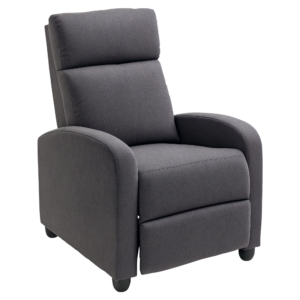
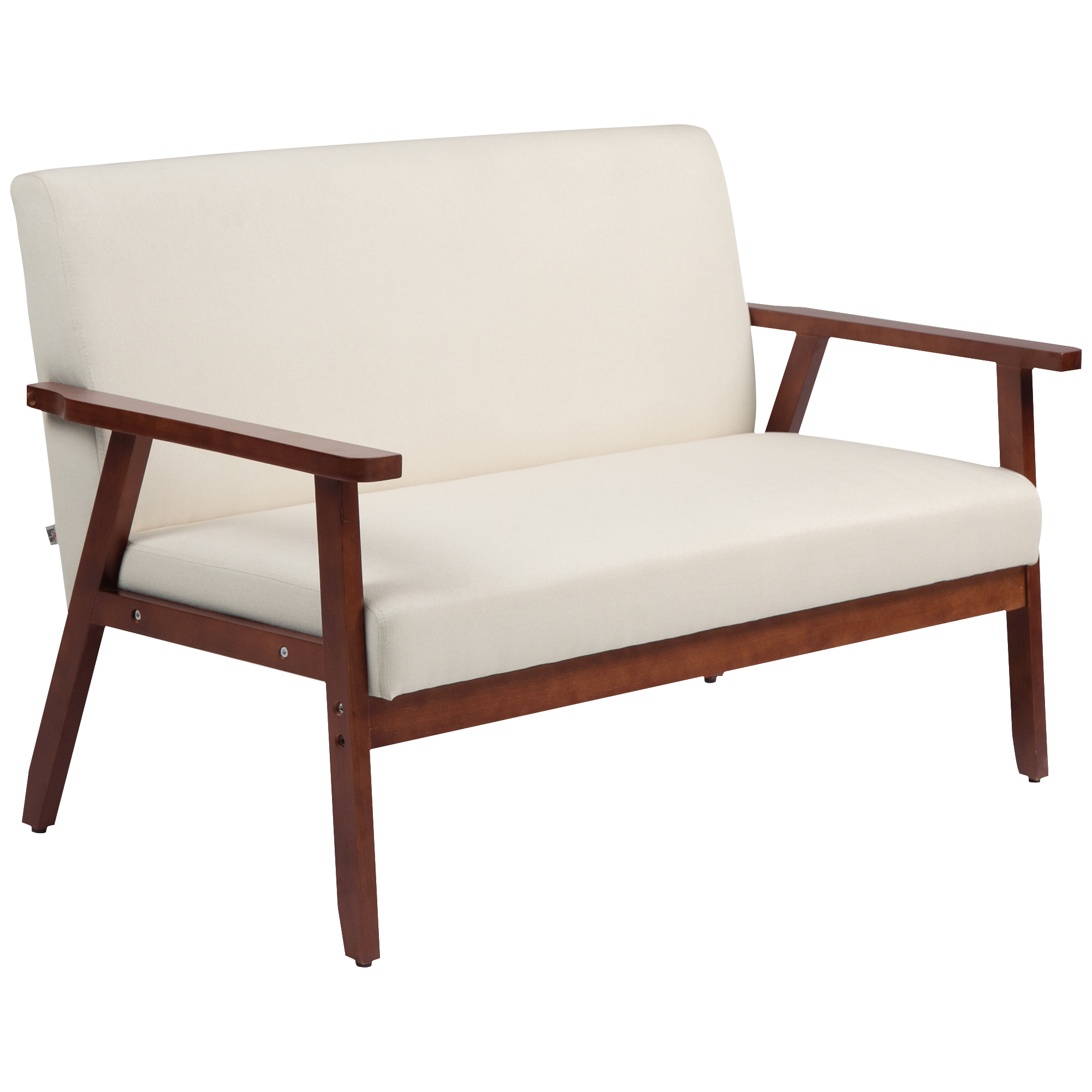
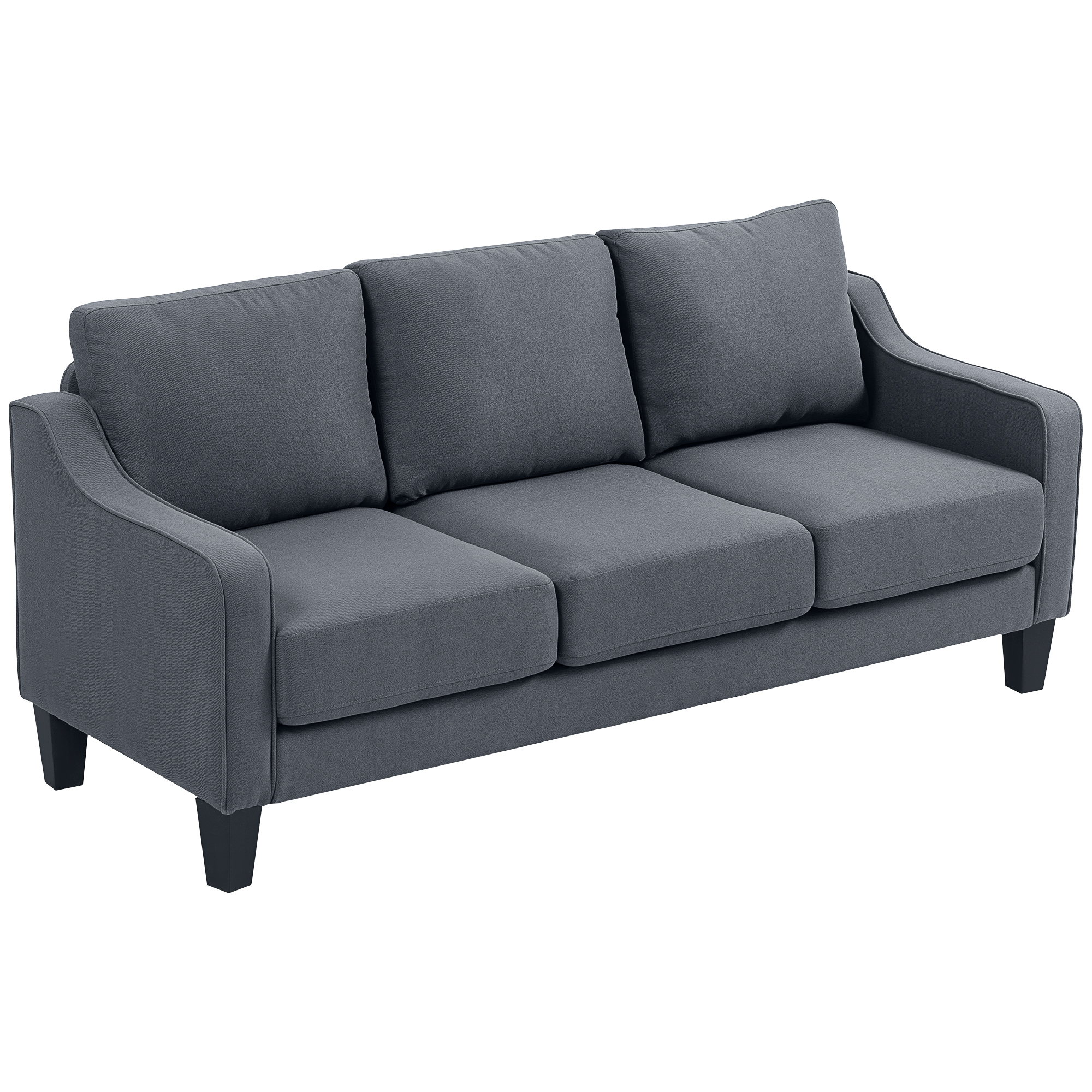
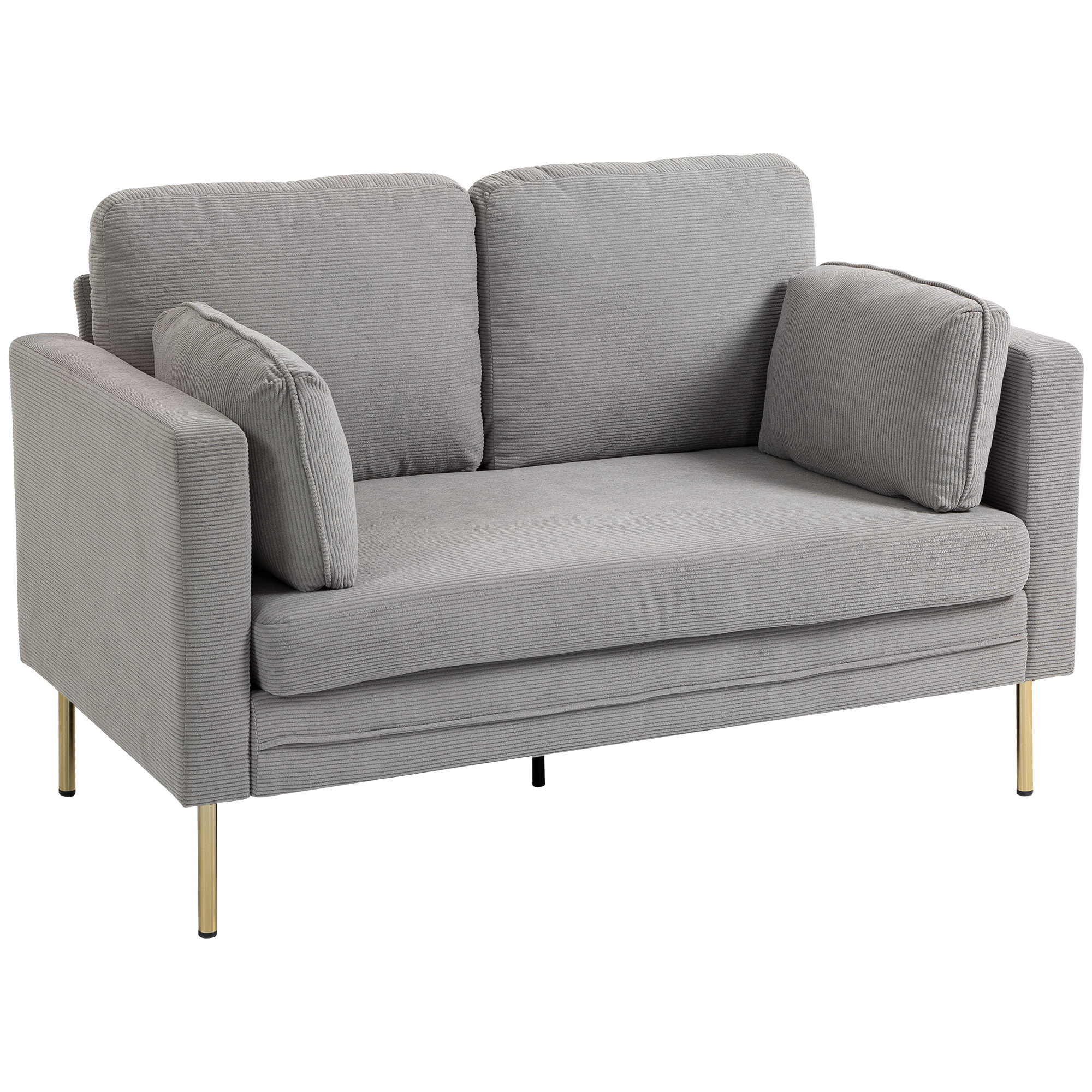
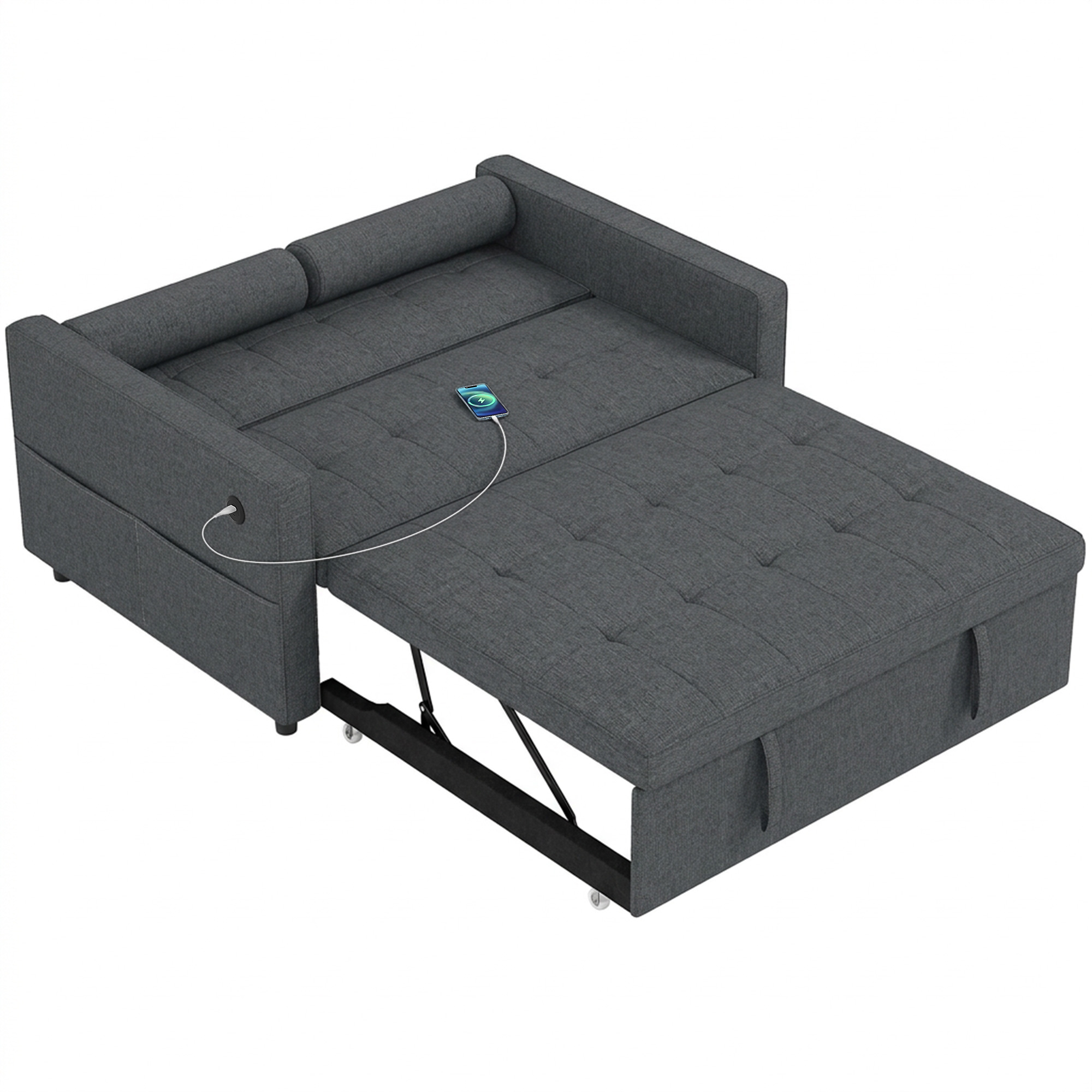
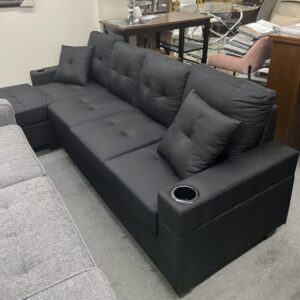
The sofa is your biggest living room investment. Don’t cheap out here — a poor-quality sofa that sags and pills within a year costs you more in replacements than a decent one bought right the first time. Read our guide on how to choose a sofa that lasts before you buy.
Bedroom
| Budget Level | What You Get | Approximate Cost |
|---|---|---|
| Tight | Basic bed frame, mattress, one nightstand | $700–$1,200 |
| Mid-range | Quality bed frame, mattress, two nightstands, chest of drawers | $1,500–$3,000 |
| Comfortable | Full bedroom suite — bed, dresser, nightstands, mirror | $3,000–$6,000 |
The mattress is the one place in a bedroom you should never cheap out. You spend a third of your life on it. A quality mattress at $800–$1,500 is money genuinely well spent. Everything else — the frame, the nightstands, the dresser — can be bought at a lower price point without affecting your quality of life.
Dining Area
| Budget Level | What You Get | Approximate Cost |
|---|---|---|
| Tight | Small table + 2–4 basic chairs | $300–$700 |
| Mid-range | Proper dining table + 4–6 chairs | $800–$1,800 |
| Comfortable | Quality table + 6 chairs + sideboard or storage | $2,000–$5,000 |
In small Canadian condos and apartments, a round table almost always works better than a rectangle — it seats the same number of people with less floor space and no awkward corners. An extendable table is worth the small premium if you entertain occasionally but don’t have the room for a permanently large table.
Home Office (if needed)
| Budget Level | What You Get | Approximate Cost |
|---|---|---|
| Tight | Basic desk, secondhand chair | $200–$500 |
| Mid-range | Proper desk, quality ergonomic chair | $600–$1,200 |
| Comfortable | Full office setup with storage | $1,200–$2,500 |
If you work from home regularly, the ergonomic chair is a health investment, not a luxury. A bad chair costs you in back pain and physiotherapy what a good one costs you upfront.
Step 3: Know What to Splurge On and What to Save On
The single most useful budgeting framework for furnishing a home is understanding which pieces are worth spending more on and which ones aren’t.
Worth Spending More On
The sofa. You sit on it every day for years. Frame quality, cushion fill, and fabric durability all matter enormously. A $1,000–$1,500 sofa from a reputable retailer will outlast three $400 sofas from a warehouse. See our full sofa buying guide for what to look for.
The mattress. No negotiation here. Buy the best mattress your budget allows. You will feel it every single night.
Solid wood pieces. A solid mango wood console table, coffee table, or chest of drawers will last decades and actually look better as it ages. Particleboard alternatives look fine for two years and then start swelling, peeling, and falling apart. Read our guide on solid wood vs. wood-like furniture so you know exactly what you’re buying.
Storage furniture. The things that organize your home — dressers, cabinets, shelving — get used constantly. Cheap storage that breaks or stops functioning correctly is a daily frustration. Spend a bit more here and it pays off.
Fine to Save On
Accent chairs. A budget accent chair that looks good and holds its shape for 3–5 years is fine. You can upgrade later as your taste and budget develop.
Rugs. A well-chosen budget rug in the right size will look great. The right size matters more than the price.
Decorative items. Lamps, cushions, throws, artwork — none of these need to be expensive. The best-looking homes are often styled with a mix of high and low, with character pieces from thrift stores alongside quality anchor furniture.
Dining chairs. If you have a quality dining table, budget chairs can look great alongside it. Chairs are also easy to reupholster or replace later.
Bedroom furniture beyond the mattress. A simple solid-wood bed frame and a basic dresser are completely adequate. Bedroom furniture is about function — you’re not awake in your bedroom long enough for aesthetics to dominate.
Step 4: Shop Smart — Where to Buy Budget Furniture in Canada
Furniture Flip — Best for Quality Local Furniture Online
Furniture Flip is the best starting point for Canadians who want locally sourced quality furniture at real mid-range prices — without having to visit six different showrooms. The platform curates pieces from trusted Canadian suppliers, with every listing showing exact dimensions so you can match pieces to your space before ordering.
For budget shoppers specifically, Furniture Flip’s range means you can find solid wood pieces — including coffee tables, console tables, storage furniture, and seating — at prices that compete with big-box alternatives but with meaningfully better construction and local accountability behind them.
Facebook Marketplace and Kijiji — Best for Secondhand Savings
This is where the biggest budget savings are. Canadians move frequently, and nearly-new furniture gets listed constantly — sofas, bed frames, dining sets, dressers — often for 30–60% of retail price. The key rules:
- Always see pieces in person before buying. Photos hide damage and scale problems.
- Avoid upholstered pieces with unknown history (pet odours, stains, or wear that isn’t disclosed).
- Solid wood furniture is the best secondhand buy — it holds up, cleans well, and often improves with age.
- Hard furniture (tables, dressers, shelving, bed frames) is almost always safer to buy secondhand than soft furniture.
IKEA — Best for Budget Basics and Small Spaces
IKEA gets criticized in design circles but the criticism misses the point. For budget furnishing, IKEA’s KALLAX shelving, LACK side tables, HEMNES dressers, and MALM bed frames are genuinely functional, widely available, and can look good in the right context. The key is to use IKEA for secondary and storage pieces while investing in better-quality anchor furniture (sofa, mattress, dining table) from elsewhere.
The trap with IKEA is buying everything from there and ending up with a home that looks like everyone else’s condo — identifiable at a glance as IKEA-furnished, with no character and no longevity in the upholstered pieces.
Structube — Best for Affordable Modern Pieces
Structube offers modern and contemporary furniture at accessible prices with multiple GTA and Ontario locations. Good for dining chairs, TV stands, accent tables, and mirrors. Less reliable for primary seating and large upholstered pieces — read reviews carefully for specific items before buying.
Thrift Stores and Habitat for Humanity ReStores
Habitat for Humanity ReStores across Canada carry donated furniture at significantly reduced prices, with proceeds supporting housing programs. Worth visiting regularly — inventory changes constantly and genuine finds appear frequently. Other thrift chains (Value Village, Salvation Army) are hit-or-miss for furniture but worth a browse.
Step 5: Avoid These Common Budget Furnishing Mistakes
Buying the wrong size
The most expensive furnishing mistake isn’t buying something cheap — it’s buying something that doesn’t fit. A sofa too large for the room, a dining table that blocks the kitchen, a dresser that won’t fit through the bedroom door. Measure everything before you buy: the room, the doorways, the hallways, the stairwell.
Buying too much furniture
More furniture does not mean a better-furnished home. Small Canadian apartments and condos look best with fewer, better-chosen pieces — not every surface covered and every corner filled. Resist the urge to fill the space. Leave room to breathe.
Ignoring delivery costs
Delivery in Canada adds up quickly, especially for large furniture in urban centres. Factor in $50–$200 per delivery when budgeting for each piece. Buying several pieces from the same retailer at once — or choosing a local platform like Furniture Flip — often reduces or eliminates delivery costs compared to buying from multiple sources.
Buying ultra-cheap disposable furniture
The $199 sofa that lasts 18 months is not a budget win. It’s a $199 loss plus another $199 plus the time and hassle of two deliveries. Buy the best quality your budget can genuinely sustain in the categories that matter — sofa, mattress, dining table, storage — and save on everything else.
Neglecting lighting
Lighting is the cheapest way to transform how a furnished space feels — and the most overlooked. A well-lit room with budget furniture looks better than a poorly lit room with expensive furniture. Budget for at least one floor or table lamp per main room beyond ceiling fixtures.
Step 6: A Room-by-Room Budget Furnishing Sequence
If you’re starting completely from scratch, here’s the order to furnish in:
Week 1 — The Absolute Essentials
- Mattress (buy new, don’t compromise)
- Bed frame (secondhand is fine here)
- Sofa or loveseat (your anchor piece — buy quality)
- Basic kitchen/dining table and 2 chairs
Month 1 — The Functional Layer
- Storage for bedroom (chest of drawers or built-in wardrobe)
- Coffee table or storage ottoman
- TV stand or media console
- One lamp minimum per room
Month 2–3 — The Comfort Layer
- Rugs (living room and bedroom)
- Additional seating if needed (accent chair)
- Proper dining set if you’re still using a basic table
- Console table for entryway
Month 3–6 — The Finishing Layer
- Artwork and mirrors
- Additional lighting
- Accent cushions, throws, plants
- Any remaining storage pieces
A Realistic Budget Example: One-Bedroom Condo in Canada
Here’s what a thoughtful budget furnishing approach looks like in practice for a Toronto or GTA one-bedroom condo:
| Item | Budget Approach | Approximate Cost |
|---|---|---|
| Mattress (queen) | Buy new, mid-range | $700–$1,000 |
| Bed frame | Secondhand or IKEA | $150–$350 |
| Sofa | New, quality mid-range | $800–$1,200 |
| Coffee table / storage ottoman | Furniture Flip or secondhand | $150–$400 |
| Dining table + 2–4 chairs | Secondhand or budget new | $300–$600 |
| Dresser / chest | Secondhand solid wood | $100–$300 |
| Media console / TV stand | Budget new or secondhand | $150–$400 |
| Console table for entryway | Furniture Flip | $300–$500 |
| Rugs (living room + bedroom) | Budget new | $200–$500 |
| Lamps (2–3) | Budget new or secondhand | $100–$250 |
| Nightstand(s) | Furniture Flip or secondhand | $100–$300 |
| Total | $3,050–$5,800 |
That’s well below the $8,353 average — and it’s a genuinely well-furnished home, not a compromised one. The savings come from buying secondhand strategically, using budget options where quality doesn’t matter, and investing properly in the pieces that do.
Also worth reading: How to tell if furniture is actually good quality— because in a budget furnishing situation, every piece doing two or three jobs is the smartest money you can spend.
Take a look at these picks!