Why Buying Local Furniture Keeps Money in Your Community

When people hear “buy local,” they often think it’s about sentiment or supporting small businesses out of goodwill. In reality, buying local furniture has measurable economic effects that go far beyond the showroom. Where your furniture is made and sold determines where your money ends up, who gets paid, and how much of that spending stays in your community.
Local Spending Has a Multiplier Effect
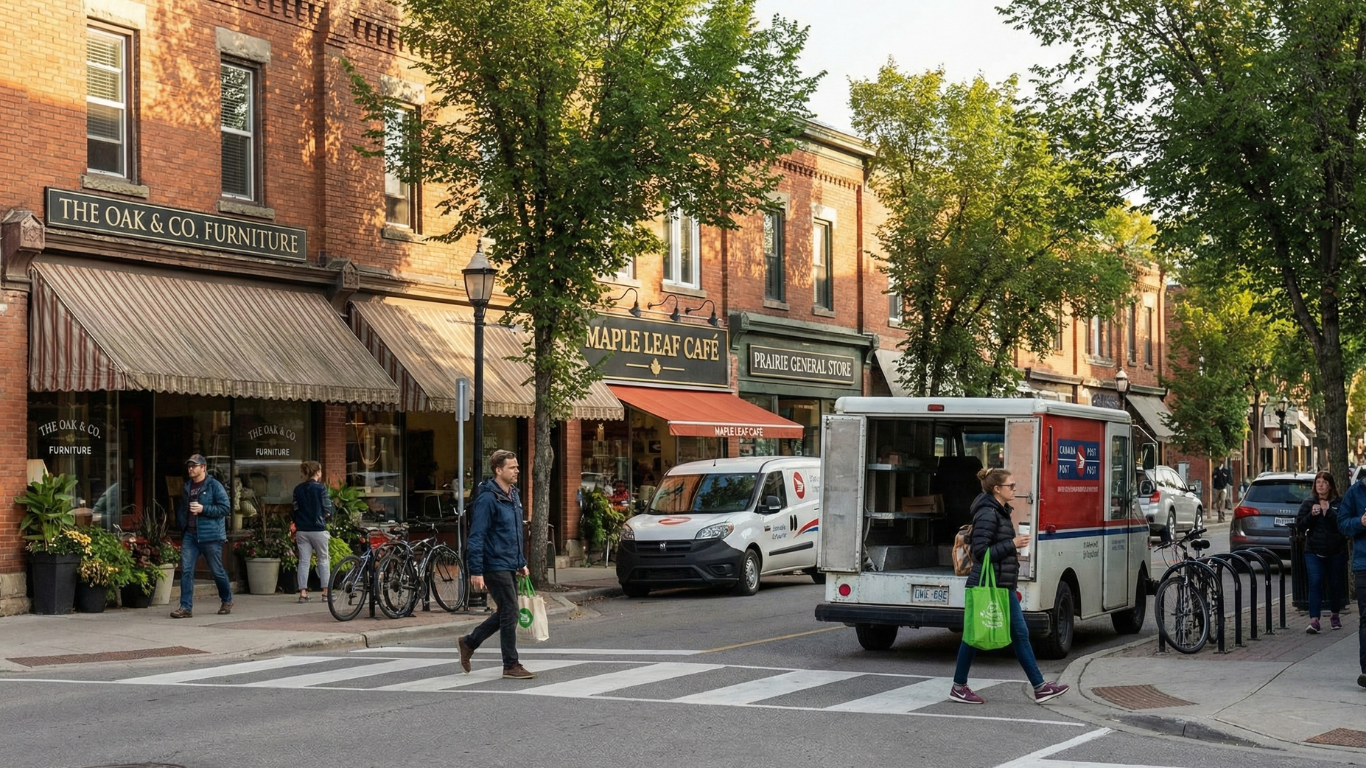
When you buy furniture from a local retailer or maker in Canada, a larger portion of that money circulates locally instead of leaving the country. Local businesses pay Canadian wages, rent Canadian commercial space, and purchase services from nearby suppliers. Those wages and payments are then spent again in the same region on housing, food, transportation, and other services.
By contrast, mass produced furniture sold by large chains often sends a significant share of revenue overseas to manufacturers, global logistics companies, and corporate headquarters outside Canada. Once that money leaves, it doesn’t cycle back into the local economy.
Canadian Jobs Are Directly Supported
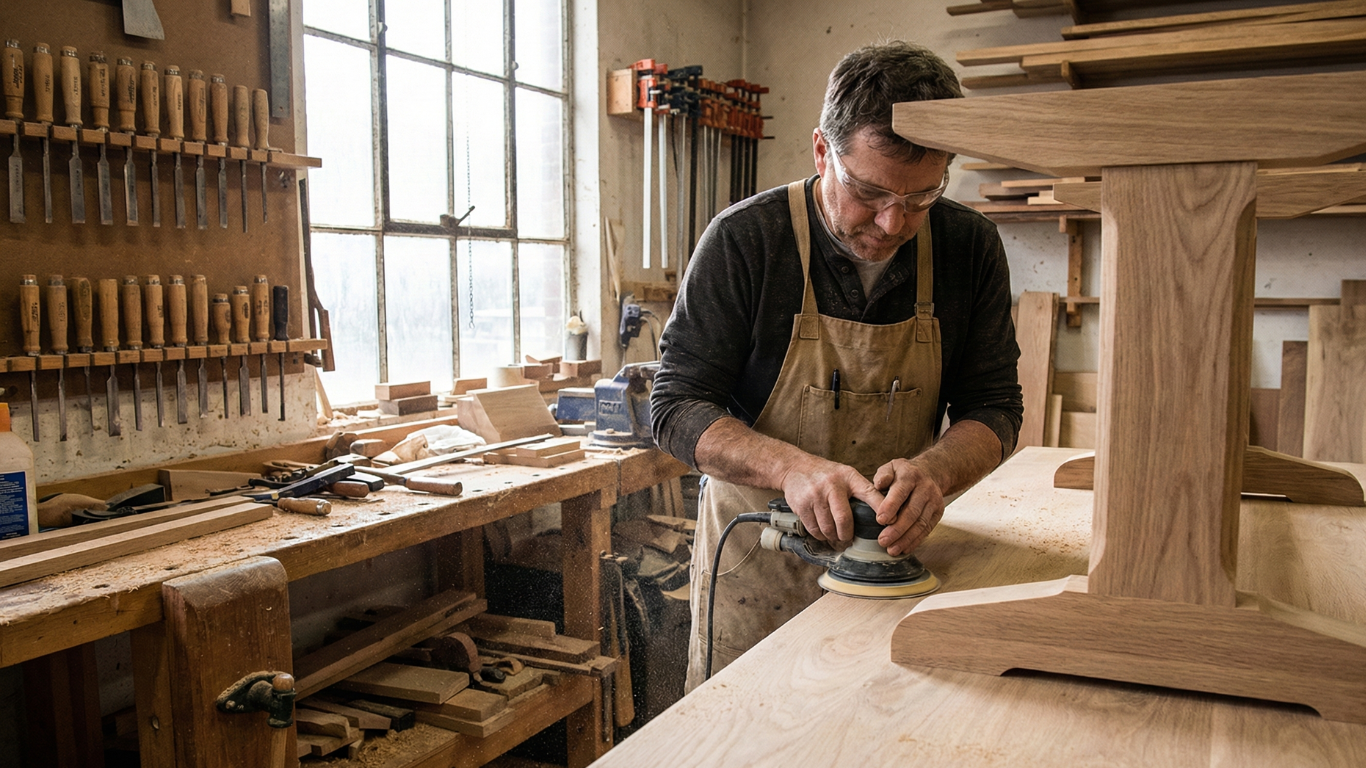
Local furniture businesses employ Canadian workers across multiple roles: designers, craftspeople, sales staff, delivery teams, warehouse workers, and administrative staff. These jobs operate under Canadian labour laws, wage standards, and safety regulations.
Big box furniture brands typically minimize domestic labour by relying on overseas manufacturing and centralized distribution. While they still employ retail staff locally, much of the value creation happens outside the country. Buying local supports a broader range of skilled and semi skilled jobs within your own community.
Local Businesses Pay Local Taxes
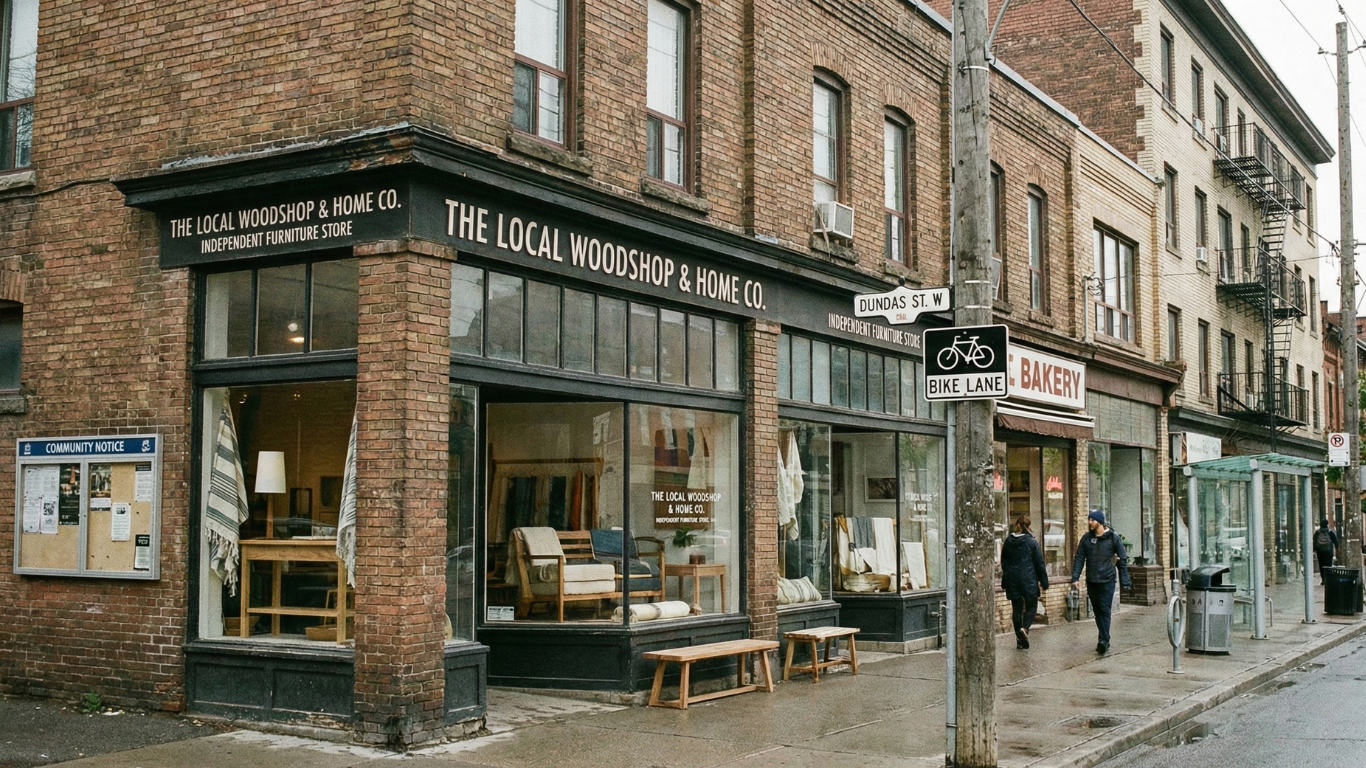
Independent furniture stores and local manufacturers pay municipal property taxes, provincial business taxes, and federal corporate taxes in Canada. These funds contribute to public infrastructure, transit, healthcare, and community services.
Large multinational retailers often structure operations to reduce taxable income within Canada through complex supply chains and internal pricing strategies. While legal, this means a smaller proportion of each purchase supports public services at the local level.
Shorter Supply Chains Mean Local Investment
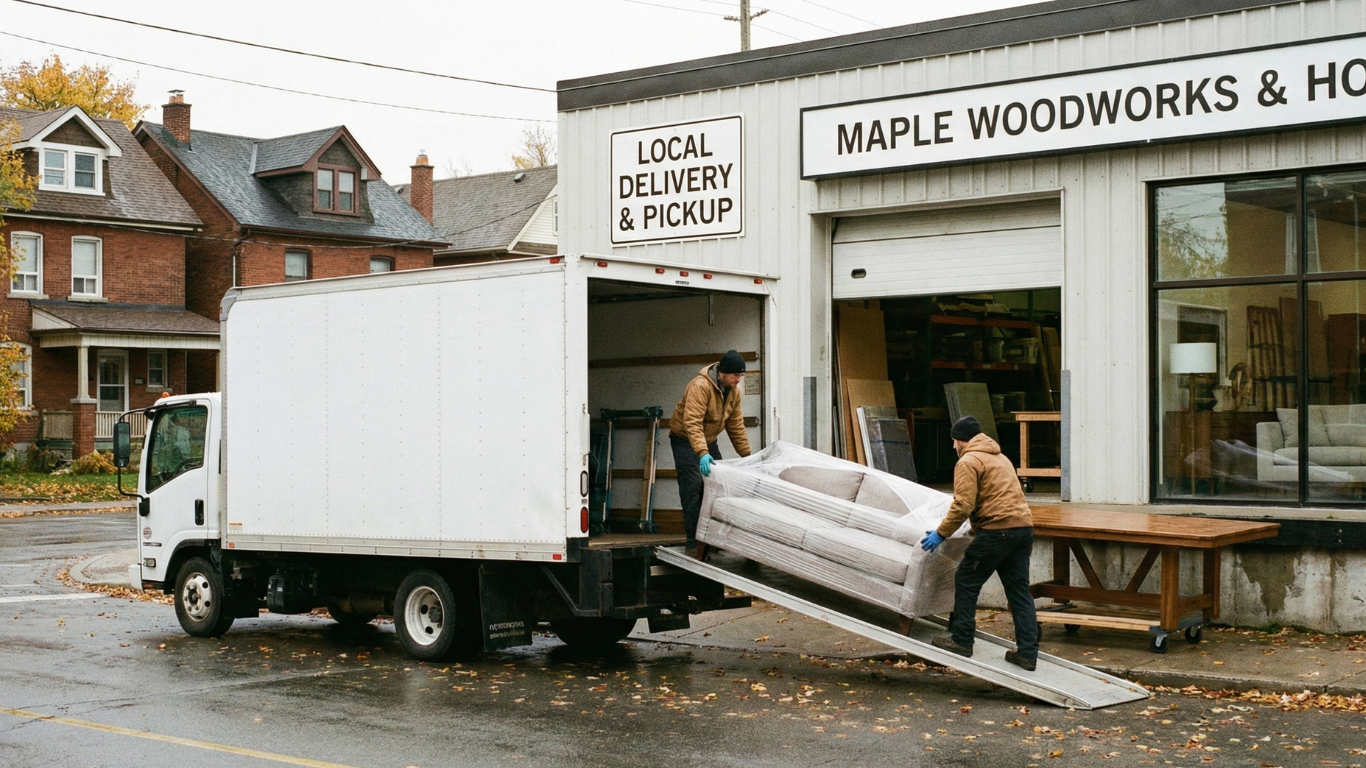
Local furniture makers and retailers often source materials and services regionally. This can include Canadian lumber mills, upholstery suppliers, metal fabricators, delivery companies, and maintenance services. Each transaction strengthens a network of local businesses rather than a single global supply chain.
Shorter supply chains also reduce dependency on international shipping, which has become increasingly volatile due to global disruptions. Local sourcing creates more resilient business ecosystems.
Long Term Community Stability
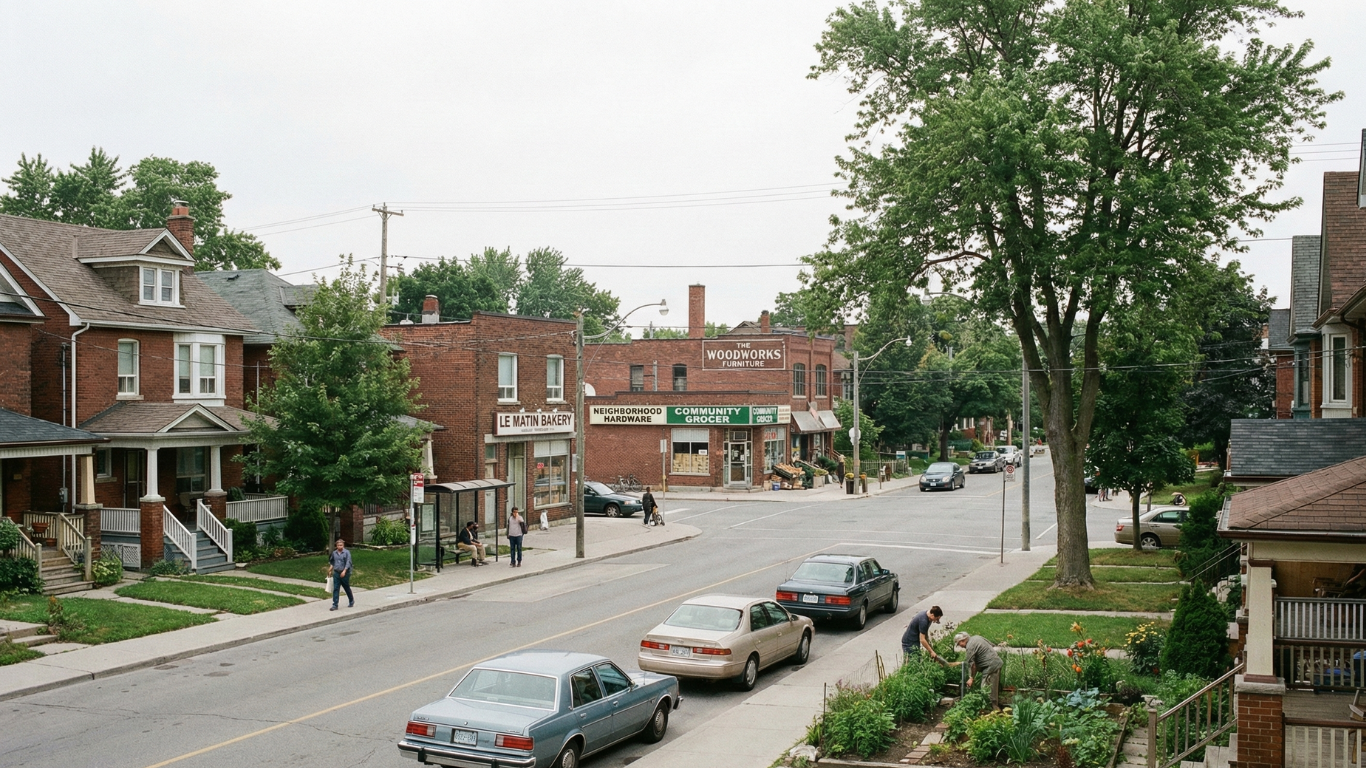
Money spent locally doesn’t just circulate once. It reinforces the viability of small businesses, which in turn stabilizes commercial districts, sustains employment, and keeps neighborhoods active. Over time, this contributes to healthier local economies that are less dependent on external corporations whose priorities may shift without warning.
Furniture is a long term purchase. Choosing where it comes from has long-term economic consequences.
It’s Not About Perfection, It’s About Impact

Buying local furniture doesn’t mean every piece must be handmade or that big retailers have no place. It means understanding that purchases have economic weight. When more spending stays local, communities benefit from stronger employment, better services, and more resilient businesses.
The difference isn’t always visible on a price tag, but it’s very real in where the money goes after the sale.