Why Local Makers Don’t Play the Same Game as Big-Box Brands
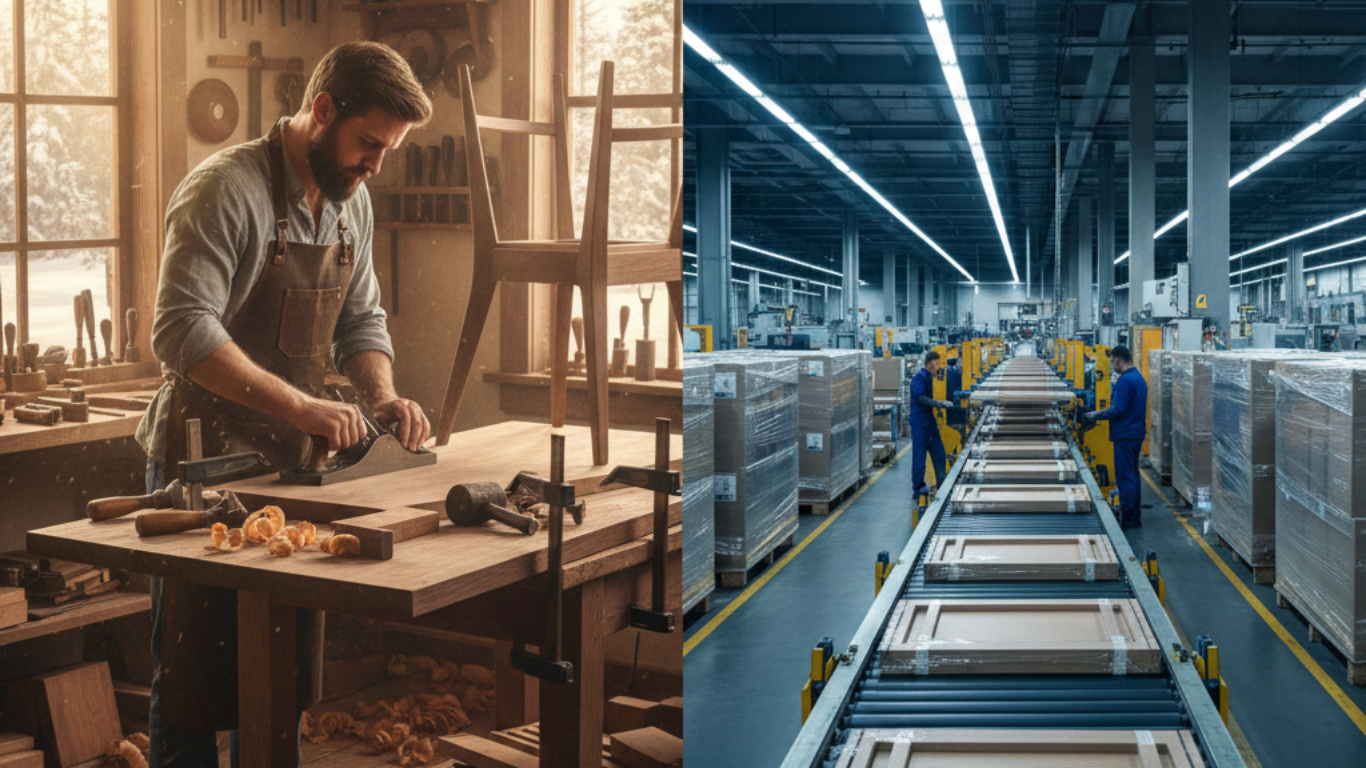
Local furniture makers and big-box brands operate on two completely different business models. One builds pieces in small batches using regionally sourced materials. The other relies on large scale overseas manufacturing where cost reduction is the primary objective. The result is a price difference that looks dramatic at checkout but makes perfect sense once you understand how supply chains, materials, and labour economics work in Canada.
In Canada, most local woodworkers purchase lumber from regional mills, where species like maple, birch, oak, and walnut are readily available. These materials typically travel under 500 km before reaching a workshop. Big-box retailers, by contrast, import the majority of their wooden products from manufacturing hubs in Asia and Eastern Europe. These pieces can travel 10,000 km or more before arriving in a Canadian warehouse. Longer supply chains introduce more carbon emissions, more handling, and more potential quality inconsistencies.
Labour is another major divider. Skilled Canadian tradespeople have hourly rates shaped by provincial wage standards, apprenticeship programs, and safety regulations. Mass production factories overseas operate on far lower labour costs with less emphasis on craftsmanship per unit. This is why local makers spend significantly more hours per piece, and why their pricing reflects the real cost of regulated, skilled labour rather than volume driven economies of scale.
Supply Chain Reality in Canada
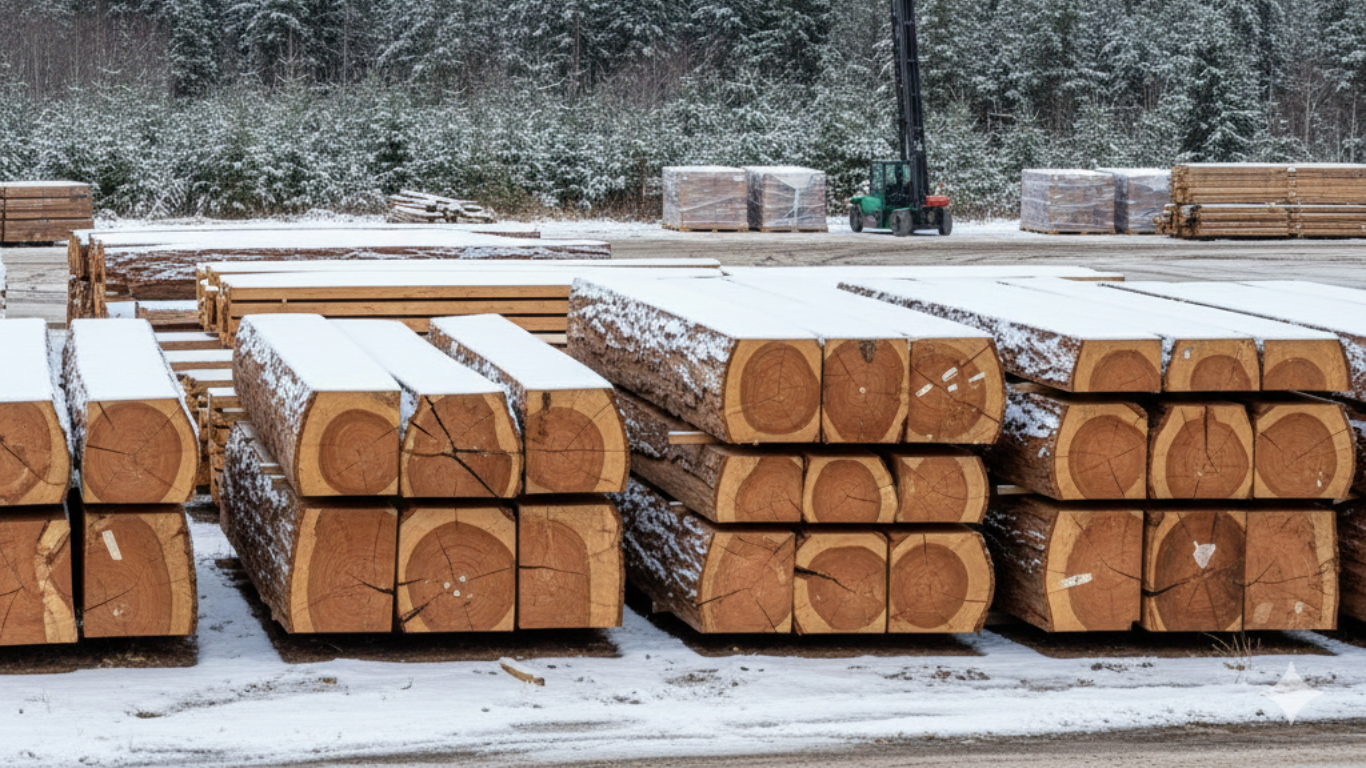
Local makers rely on Canadian lumber markets, where species and grading standards are regulated and traceable.
Big-box chains rely on global sourcing, where suppliers are chosen for volume capacity and low cost manufacturing.
Labour and Craftsmanship
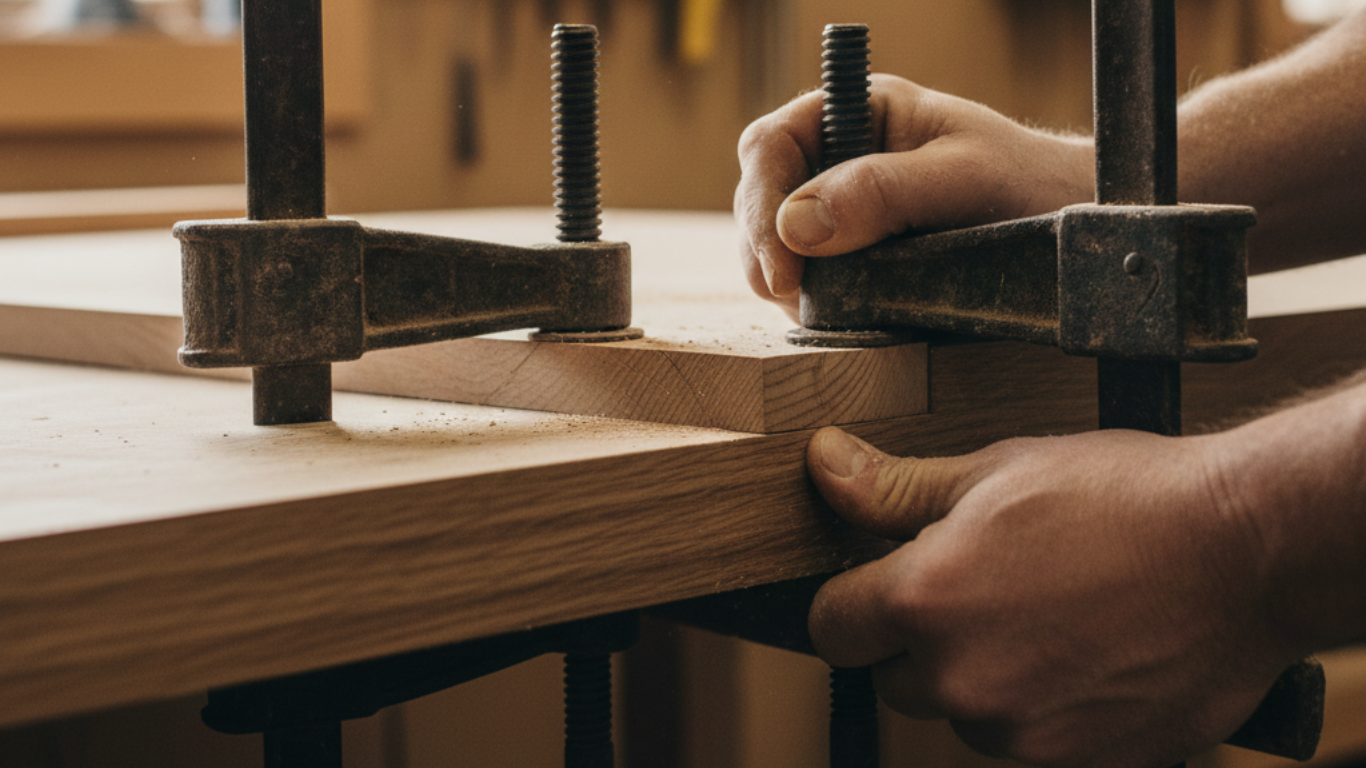
Local workshops use trained carpenters and cabinetmakers who follow Canadian building standards and safety rules.
Big-box suppliers work with high volume factories where tasks are broken into repetitive, low skill steps to minimize labour costs.
Material Differences
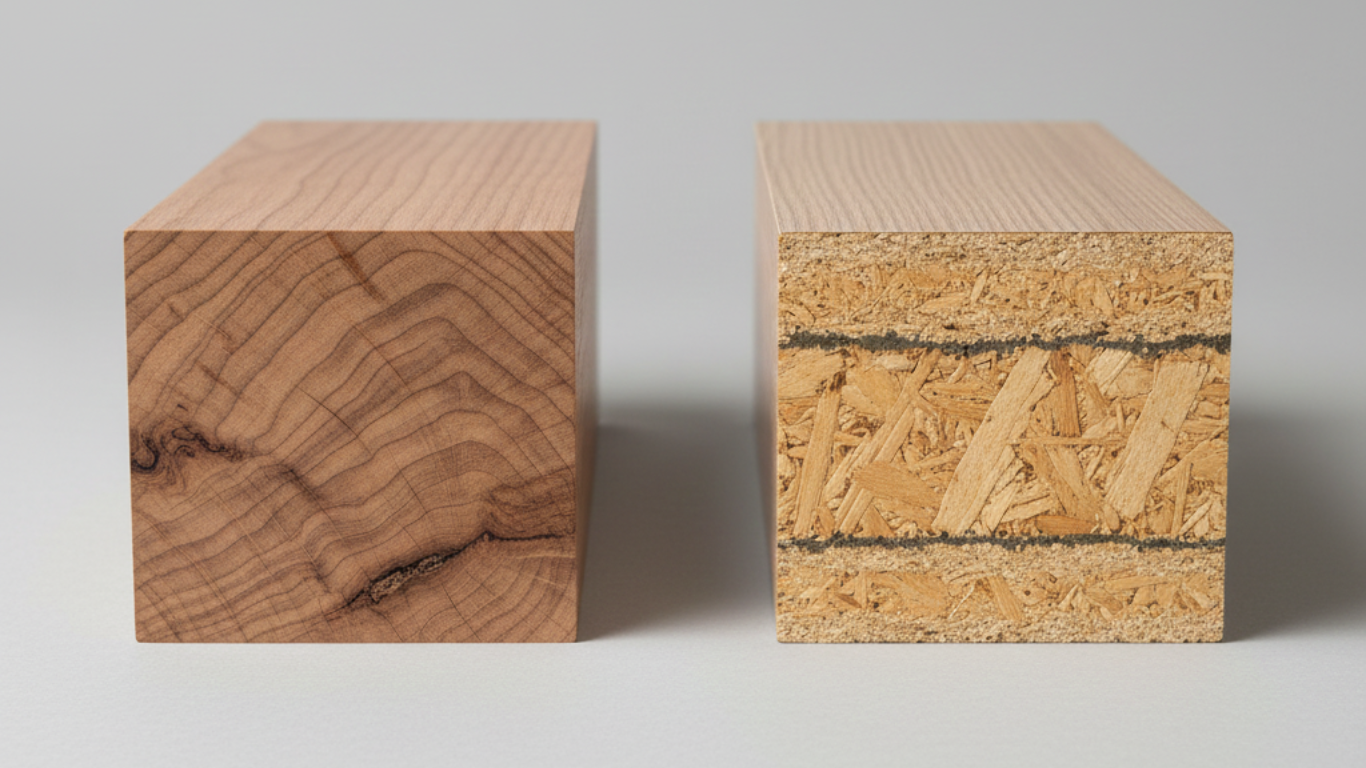
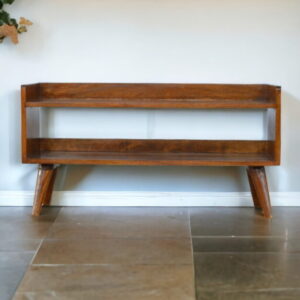
Local makers commonly use solid hardwoods or high grade plywood sourced from regional mills.
Mass produced furniture frequently uses MDF, particleboard, and thin veneers marketed with vague terms like “wood composite.”
Price Breakdown That Actually Makes Sense
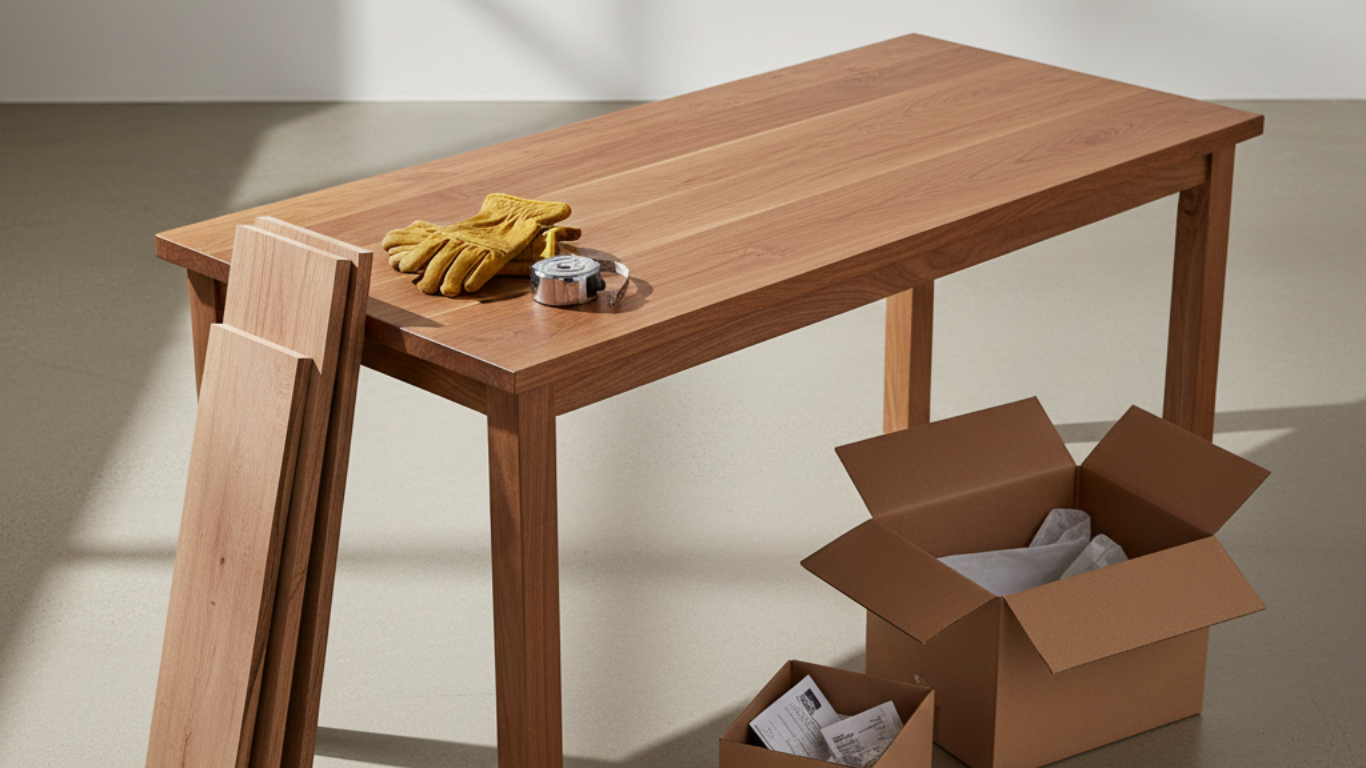
Local furniture pricing reflects:
Canadian labour standards
Regionally sourced materials
Limited production volume
Higher quality joinery and finishing
Big-box pricing reflects:
Overseas mass production
Lower cost materials
Savings from scale, not from durability
Long Term Value for Canadian Buyers
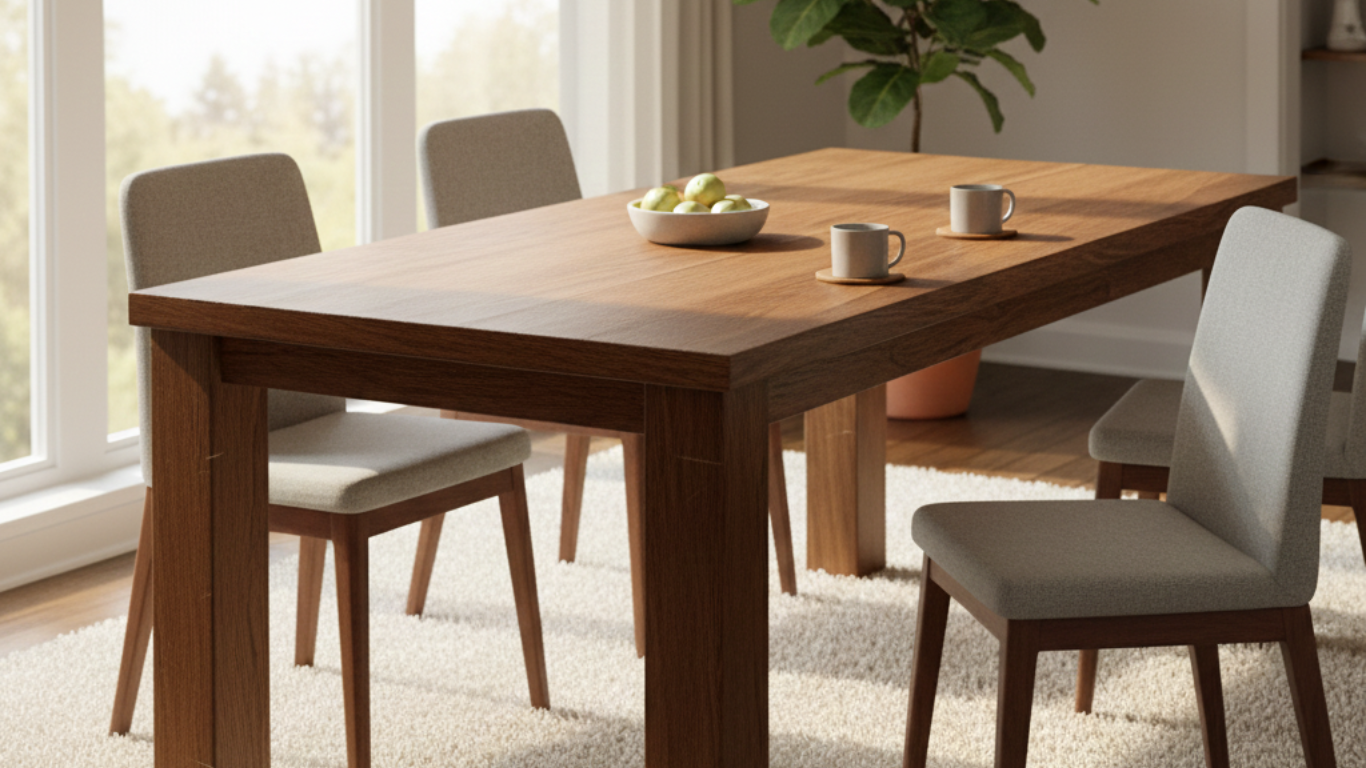
Local pieces last longer, can often be repaired, and hold their structural integrity over time. Big-box items are priced to move, not to last. When you factor in replacement cycles, local furniture often ends up cheaper per year of use.