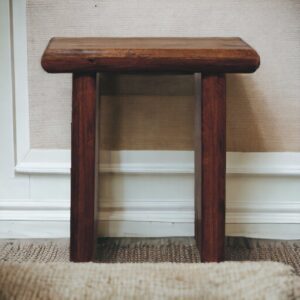
The Truth About “Solid Wood” vs “Wood Like” Furniture
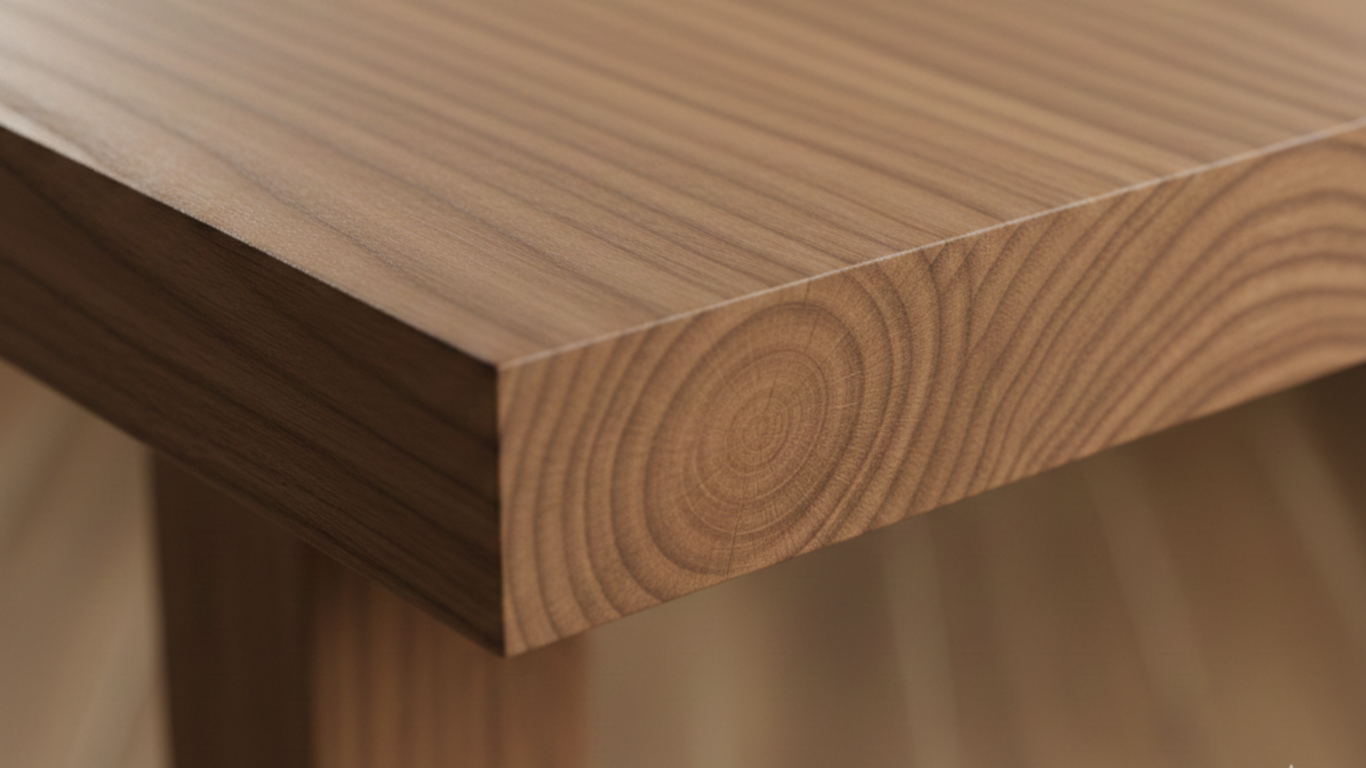
When you’re shopping for furniture, the product descriptions can feel like a trap. Words like solid wood, wood veneer, engineered wood, and MDF get tossed around as if everyone automatically knows the difference. The result: people think they’re buying long lasting furniture when, in reality, they’re getting something held together by glue and hope.
What “Solid Wood” Really Means
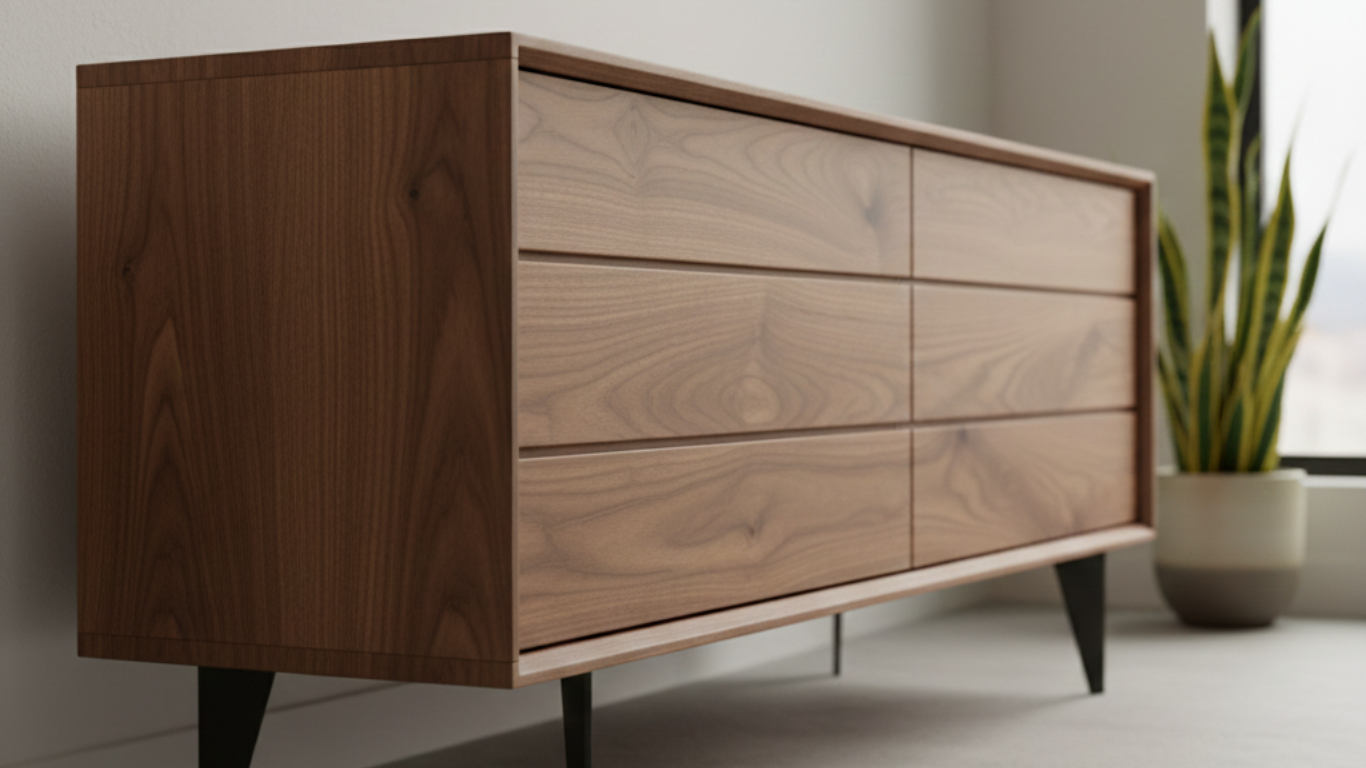
Solid wood furniture is made from natural lumber cut into boards. It’s strong, repairable, and ages well. You can refinish it, sand it, and expect decades of use if it’s built properly.
Pros:
Long lifespan
Can be repaired or refinished
Strong and durable
Looks better with age
Cons:
Higher price
Natural wood movement (it expands and contracts)
Heavier than engineered materials
Important: Some retailers write “solid wood parts” in the description. That usually means only some components are real wood. Always check what’s actually solid and what isn’t.
What “Wood Veneer” Means
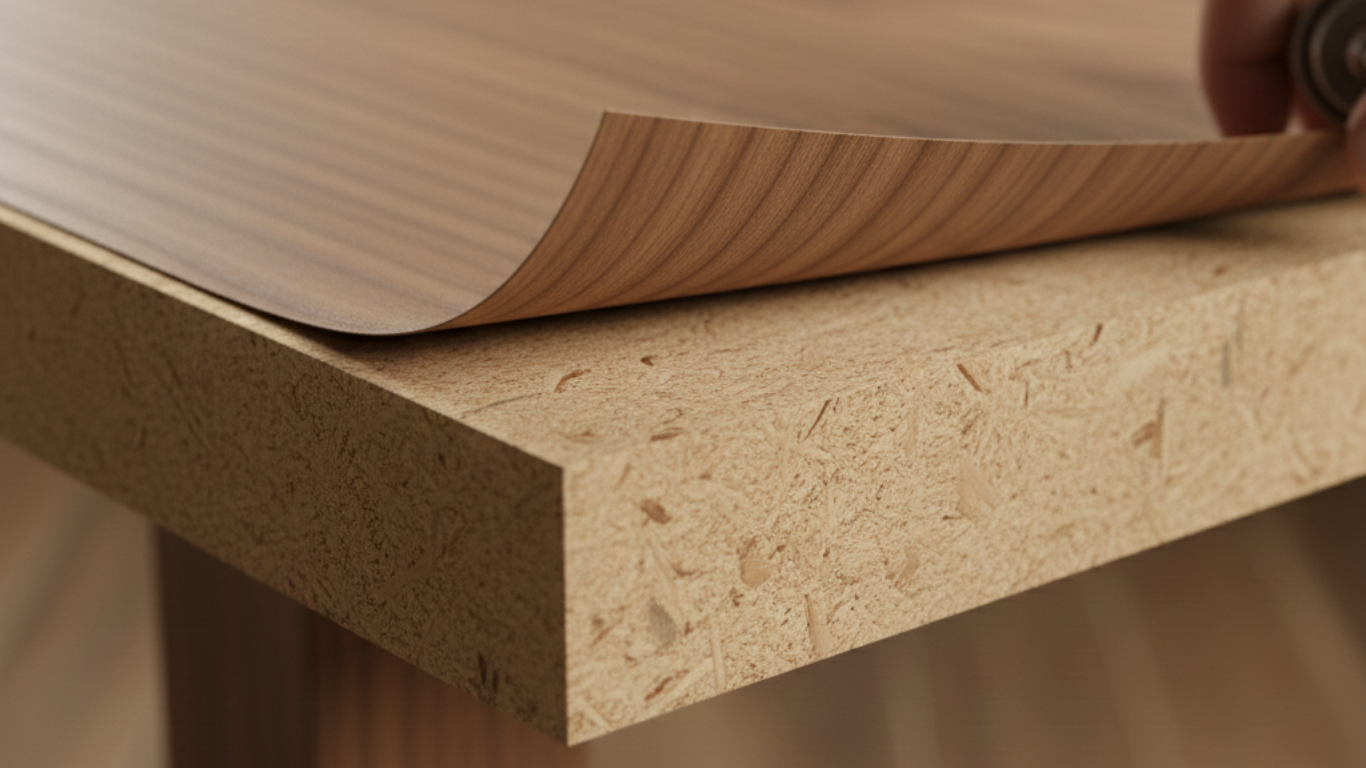
Veneer is a thin slice of real wood glued onto a base material (usually MDF or particle board). It looks like real wood because technically it is, but only on the surface.
A high quality veneer piece can be decent. A cheap veneer piece can chip, peel, and warp fast.
Good veneers: Thick, well finished, applied over a stable base.
Bad veneers: Extremely thin, plastic like, or poorly sealed.
Engineered Wood: MDF, Particle Board, and Plywood
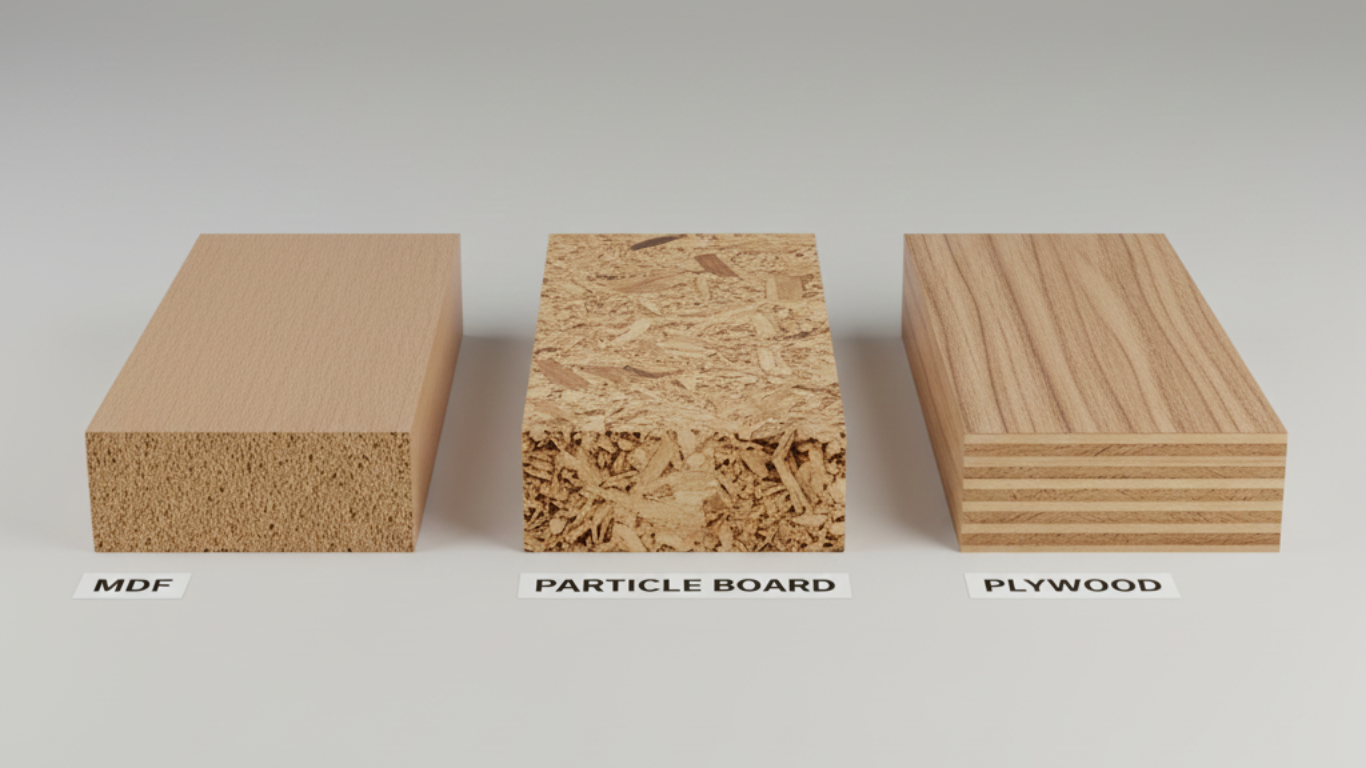
This is where people get tricked, because all engineered woods are not the same.
Plywood
This is the strongest engineered wood. It’s made of layered sheets of wood glued together. High quality plywood furniture is stable, strong, and commonly used in good sofas and cabinets.
MDF (Medium-Density Fiberboard)
Made from wood fibers mixed with resin. Smooth surface, great for painting, but not as strong as plywood or solid wood. Heavy and prone to swelling if exposed to moisture.
Particle Board
The weakest material on the list. Cheap, lightweight, and very short lifespan. If a retailer doesn’t brag about the materials, chances are it’s particle board.
How Stores Play With Labels
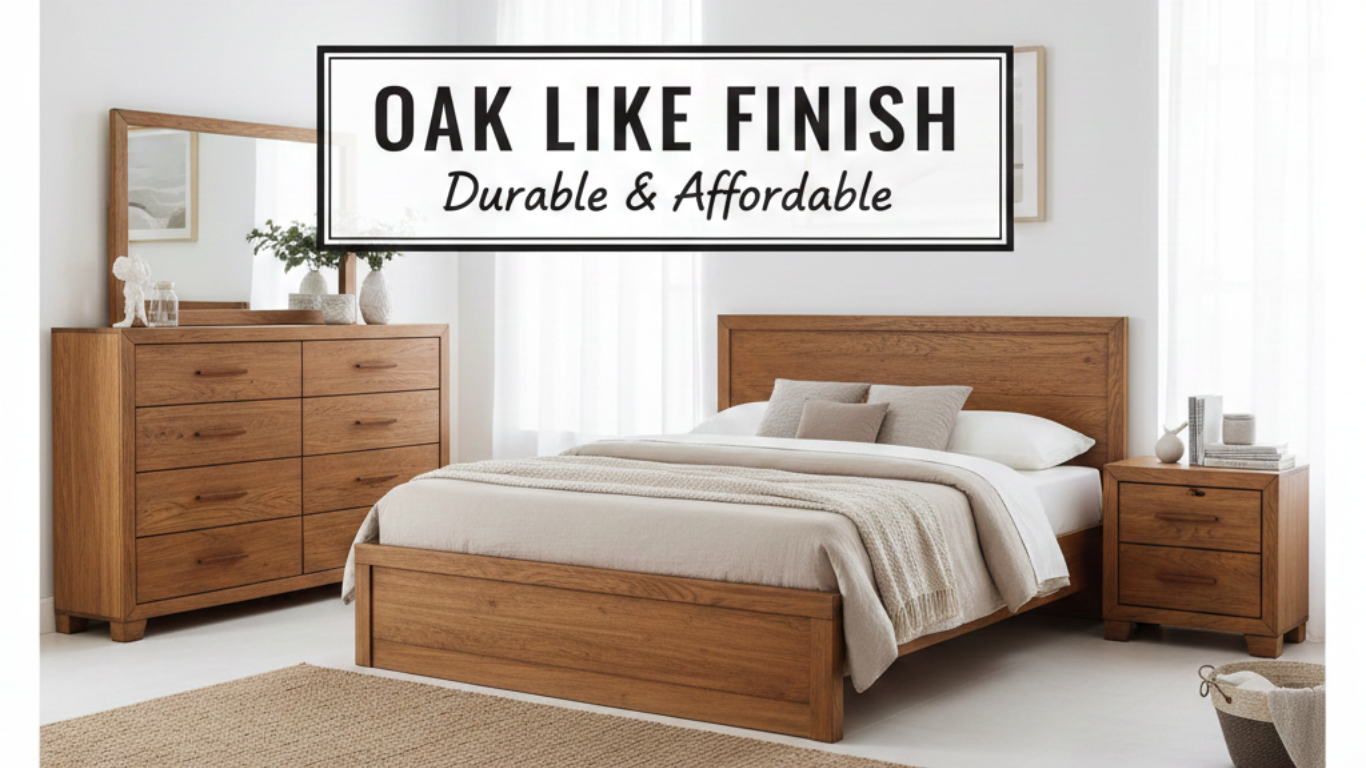
Here’s what stores do when they want something to sound expensive:
“Wood like finish”
“Wood construction”
“Manufactured wood”
“Solid wood look”
“Engineered hardwood blend”
“Laminated wood surfaces”
All of those are red flags for not actually solid wood.
If it doesn’t explicitly say “solid acacia,” “solid maple,” “solid pine,” etc., assume it’s not solid wood.
How to Read Product Descriptions Like a Pro
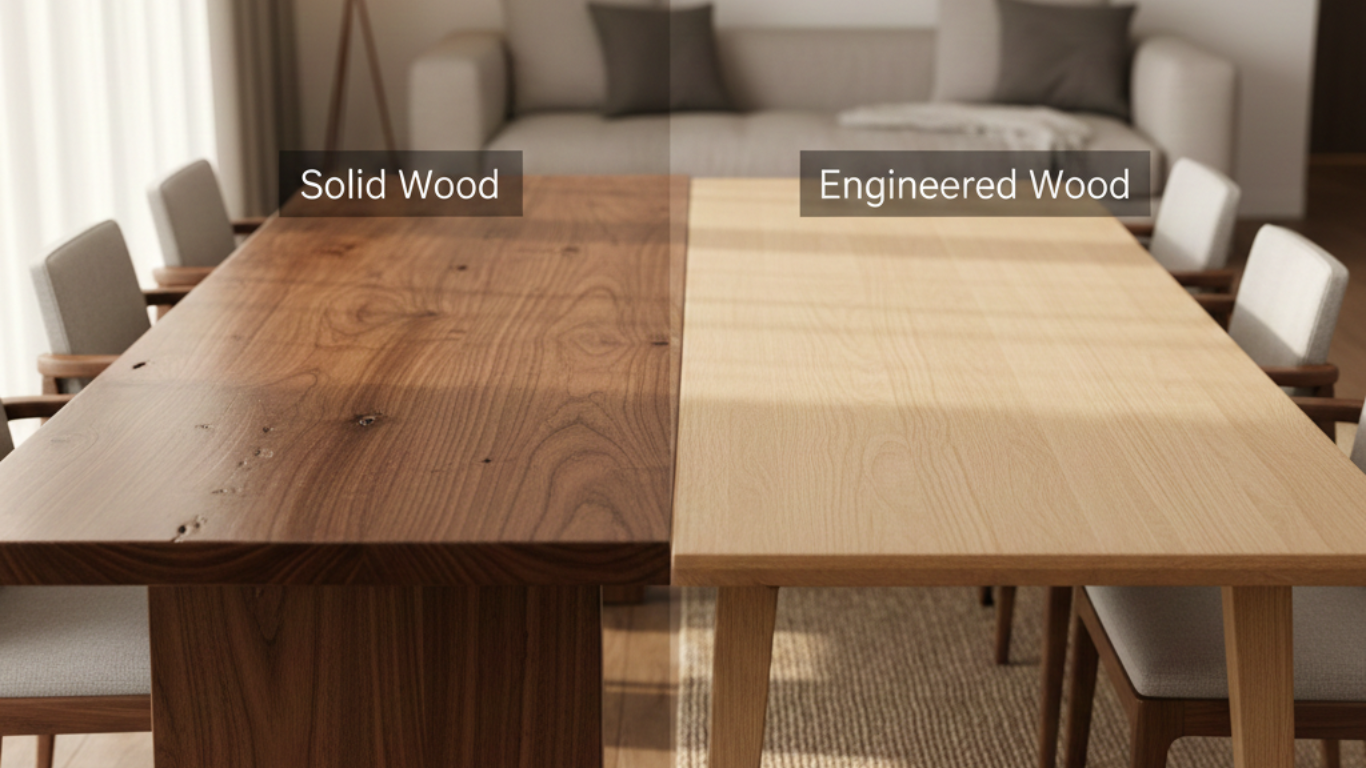
Check for these details:
1. Material of the frame
If the frame is MDF or particle board, the piece has a short lifespan.
2. Material of the top surface
Solid wood or high-quality veneer is ideal. Laminates are okay at low price points but don’t expect long-term durability.
3. Joinery
Words like dovetail, mortise-and-tenon, or corner blocks indicate quality. Staples and glue-only construction are cheap methods.
4. Weight
Light weight usually means particle board. Solid wood and plywood are heavier.
When Engineered Wood Is Actually a Smart Choice
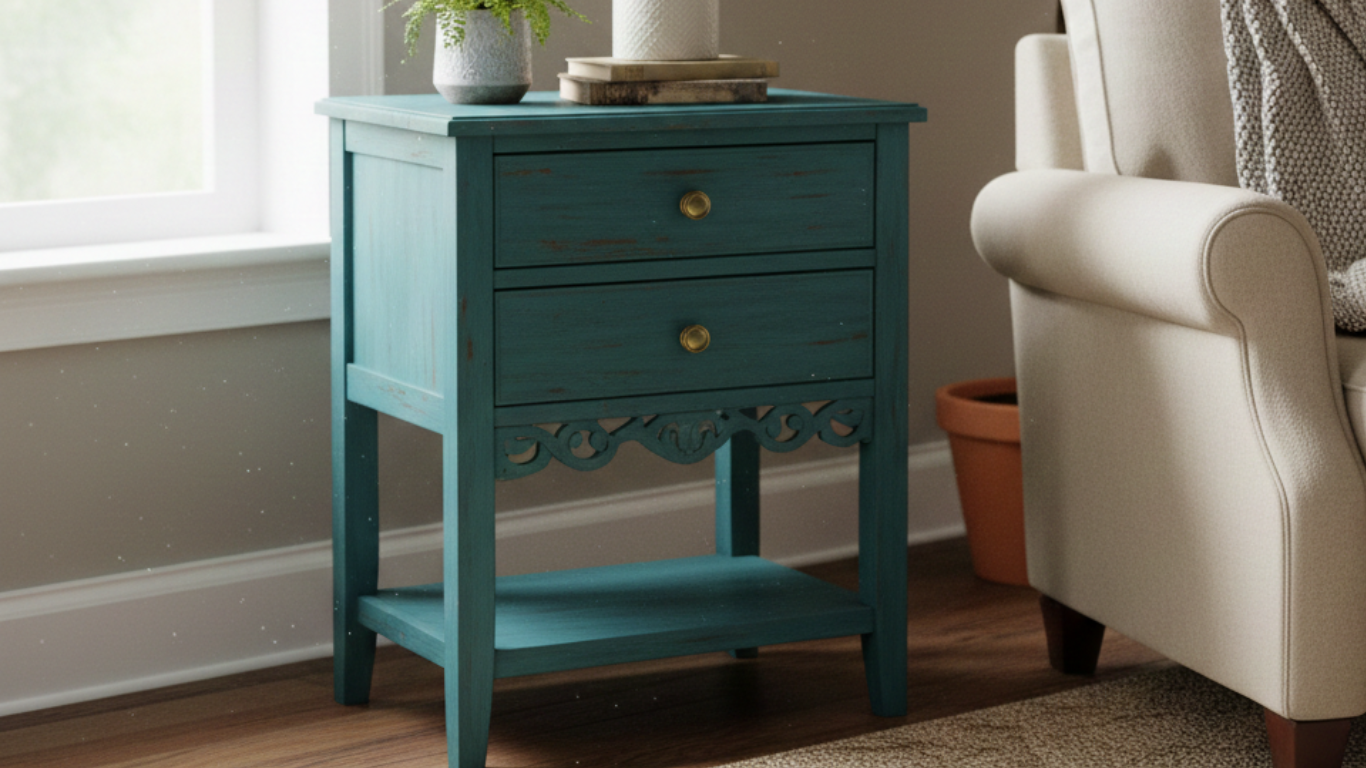
Not everything has to be solid wood. For example:
Painted pieces often use MDF because it creates a cleaner finish.
Plywood is excellent for drawer boxes and internal frames.
Veneer helps you get the look of expensive hardwoods at a reasonable price.
The problem isn’t engineered materials. It’s poorly made engineered materials sold as premium pieces.
Final Thoughts
Knowing the difference between solid wood and everything that imitates it helps you shop smarter and avoid costly mistakes. Whether you’re furnishing a condo, upgrading to something long lasting, or exploring Canadian made pieces on furnitureflip.ca, a bit of knowledge goes a long way.