The How Buying Furniture Online Actually Works

Buying furniture online sounds simple. Scroll, click, checkout, done.
In reality, it’s one of the most misunderstood online purchases people make.
Furniture is expensive, bulky, slow to ship, and often non-returnable. That combination makes the buying process very different from ordering clothes or electronics. When people run into problems, it’s usually not because they chose the “wrong sofa,” but because they didn’t understand how the process works from start to finish.
Here’s a clear breakdown of how buying furniture online actually works, what to expect at each stage, and how to avoid the most common issues along the way.
Step 1: Browsing and Research (Where Most People Get Stuck)

The first stage is not choosing a product. It’s narrowing options.
Most buyers start by:
Browsing multiple websites
Comparing styles, sizes, and prices
Saving screenshots or tabs
Trying to remember which store had which item
This is where online furniture shopping becomes overwhelming. Unlike in-store shopping, you can’t physically compare pieces side by side. Each retailer presents products differently, uses different measurements, and highlights different features.
What usually goes wrong here:
Comparing prices without comparing materials
Overlooking dimensions
Assuming similar-looking pieces are built the same way
At this stage, the goal isn’t to find “the best deal.” It’s to narrow down a realistic shortlist based on size, function, and budget.
Step 2: Understanding Product Details (More Important Than Photos)

Furniture photos are helpful, but they are not the product.
What actually matters:
Exact dimensions
Frame material
Cushion fill
Upholstery type
Assembly requirements
Many online buyers focus too heavily on appearance and skim the specifications. That’s how people end up with sofas that don’t fit through doorways or dining tables that feel smaller than expected.
Tip: Always compare dimensions to something you already own. Numbers alone don’t register until you ground them in reality.
Step 3: Comparing Across Stores (The Most Time-Consuming Part)

Once you find a few options that you like, the real work begins: comparison.
This usually means:
Jumping between multiple retailer websites
Checking delivery fees
Comparing warranty and return policies
Reading reviews on third-party sites
This step is frustrating because no two stores organize information the same way. Prices may look similar until delivery or setup fees appear at checkout. Return policies may vary widely, especially for large furniture items.
This is where many buyers either:
Settle too quickly
Abandon the purchase entirely
Platforms that allow buyers to compare furniture from multiple local stores in one place reduce this friction significantly by centralizing information instead of forcing shoppers to manage it themselves.
Step 4: Placing the Order (Not Just Clicking “Buy”)

Ordering furniture online isn’t instant gratification.
Before checkout, buyers should confirm:
Delivery method
Estimated delivery window
Assembly requirements
Return conditions for large items
Unlike small packages, furniture deliveries are scheduled, not dropped off. Missed delivery windows can lead to rescheduling fees or long delays.
Common mistake: Assuming delivery works like standard parcel shipping. It doesn’t.
Step 5: Order Processing and Fulfillment

After placing the order, several things happen behind the scenes:
Inventory is confirmed
The item is prepared for shipment
Delivery is scheduled or coordinated
Depending on the store and item:
Some pieces ship immediately
Others are made-to-order or backordered
Delivery timelines can range from days to weeks
This is normal, but it’s rarely explained clearly upfront. Buyers who expect next-week delivery without checking availability often end up frustrated.
Step 6: Delivery Day (Where Expectations Matter Most)
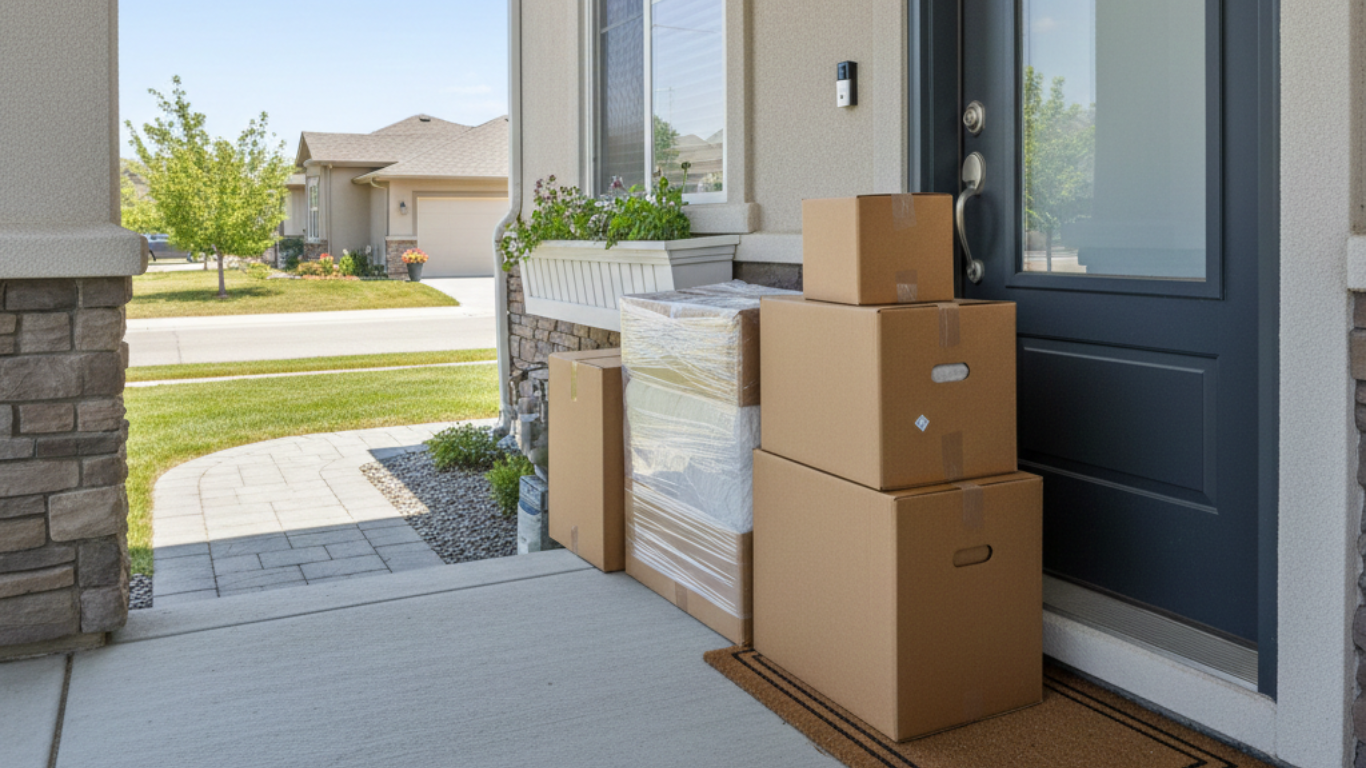
Delivery is where online furniture shopping either feels smooth or goes completely sideways.
On delivery day:
Someone usually needs to be present
Access issues (stairs, elevators, narrow hallways) matter
Packaging is large and heavy
Different delivery services offer different levels of support. Some drop items at the curb. Others bring furniture inside or assemble it. Knowing what you’re paying for avoids last-minute surprises.
Step 7: Assembly, Setup, and Inspection
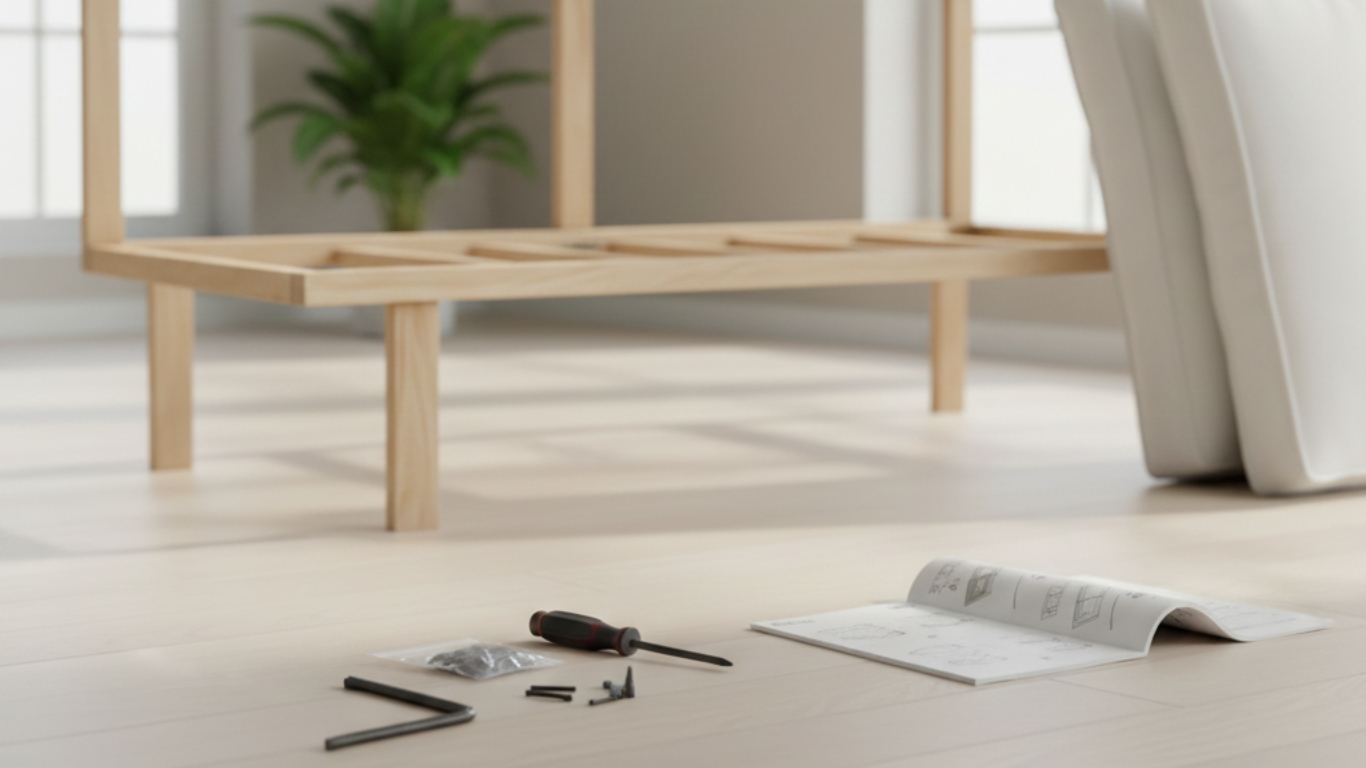
Once delivered, buyers should:
Inspect items immediately
Check for damage
Confirm all parts are included before assembly
Furniture issues are easiest to resolve when reported right away. Waiting days or weeks can complicate returns or exchanges.
Why Online Furniture Buying Feels Hard (And How to Make It Easier)

The difficulty isn’t online shopping itself. It’s fragmentation.
Most people struggle because:
They compare too many stores manually
Information is scattered
Pricing and delivery details aren’t always clear upfront
Buying furniture becomes much easier when:
Multiple local stores can be browsed in one place
Listings are easy to compare
Delivery expectations are transparent
That’s why more buyers are moving toward platforms that simplify comparison and connect them directly with real, local furniture businesses instead of navigating dozens of separate sites.