How to Layout Furniture in a Small Living Room
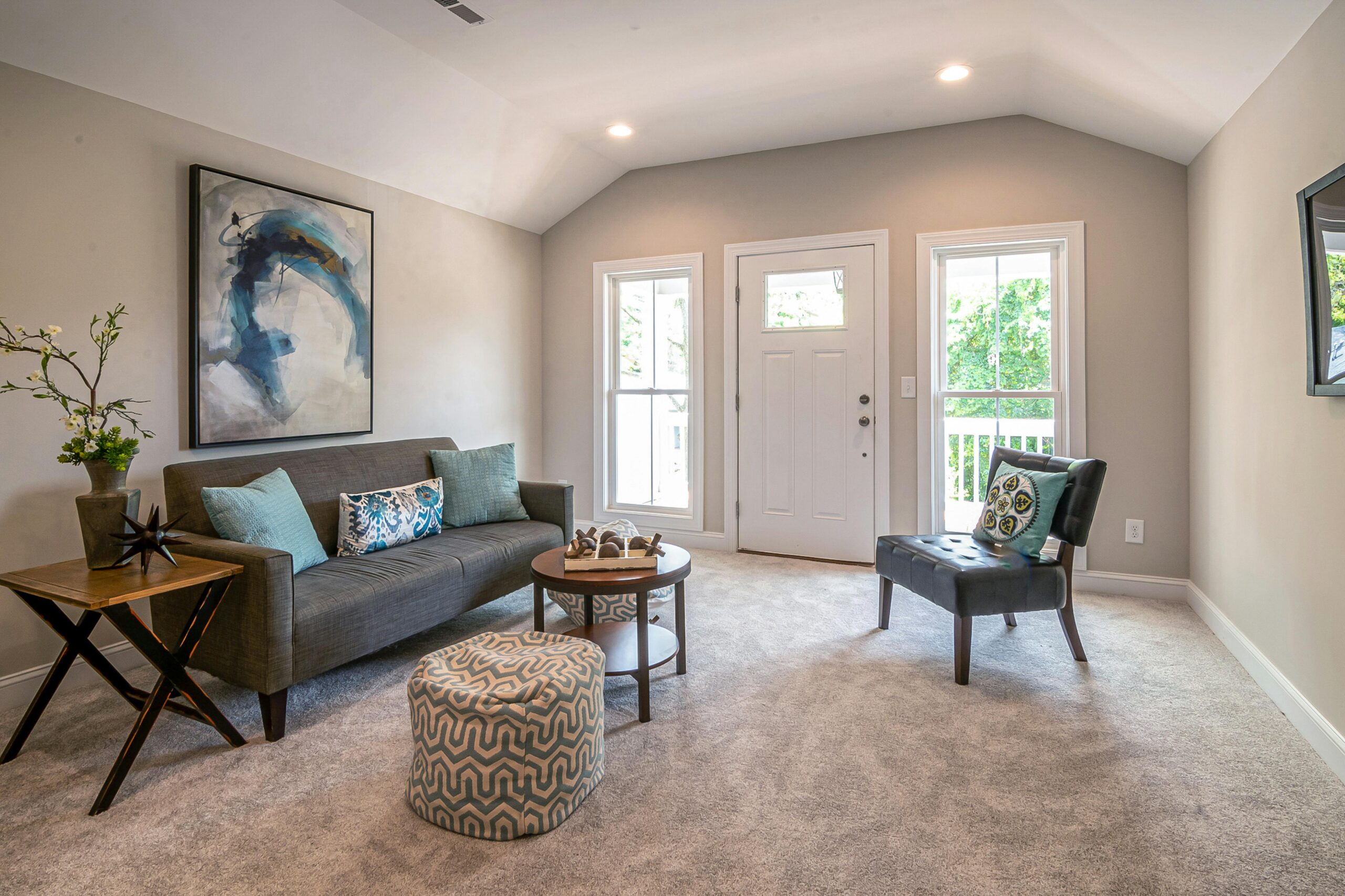
The furniture is right. The room is the wrong size. That is the conclusion most people reach when their small living room still feels off after multiple rearrangements. But in almost every case the furniture is not the problem. The layout is.
Getting furniture layout right in a small living room is a skill that has nothing to do with taste or style. It is about understanding a small set of spatial rules that apply consistently across virtually every small apartment and condo living room in Toronto and the GTA. Once you understand those rules, the room stops being a puzzle and starts being a plan.
This guide walks through the rules, the most common layout mistakes, and real examples of how they apply to the kinds of living room configurations that show up most often in Toronto condos.
Why Layout Matters More Than Furniture Selection in a Small Room
Most homeowners approach a small living room by trying to find smaller furniture. That is not wrong but it is not the first step. The first step is understanding how the furniture you have, or plan to buy, will be arranged in the space before you commit to anything.
A compact sofa in the wrong position will make a small room feel as cramped as an oversized one in the right position. Conversely, a properly scaled sofa placed thoughtfully can make a room that feels impossible suddenly feel intentional and comfortable. Layout is the variable that most people underestimate and most interior designers prioritize above almost everything else when working in small spaces.
In Toronto condo living rooms specifically, the constraints are consistent across thousands of units. Limited wall length, often one wall of windows that cannot be used for furniture, a direct connection to the kitchen or dining area in open concept layouts, and a single entry point that creates a traffic path through the living space. Understanding how those constraints shape a good layout is the foundation for everything else.
The Four Layout Rules That Apply to Every Small Living Room
These rules apply consistently across the small living room configurations that come up most often in Toronto condos and apartments.
Rule 1: Anchor the room with the sofa before placing anything else. The sofa is the heaviest visual piece in a living room and the one that most determines how the remaining space feels. Every other piece flows from where the sofa sits. In a small living room, the sofa typically has one viable position. Identify that position first, confirm it works for traffic flow and sight lines, and then build from there rather than trying to arrange all pieces simultaneously.
Rule 2: Float the sofa away from the wall. This is the rule that most small living room owners resist most strongly and that makes the single biggest difference when applied. Pulling your sofa 6 to 12 inches away from the wall creates a sense of depth that makes the room feel larger rather than smaller. A sofa pushed flat against the wall creates a perimeter seating arrangement that makes the room feel like a waiting area. A sofa floated slightly into the room creates a sense of a defined, comfortable zone that reads as a living room regardless of how limited the square footage is.
Rule 3: Leave at least 36 inches of clear traffic path. Every arrangement needs at least 36 inches of clear walkway between the sofa and any other piece of furniture or wall that someone needs to pass. Less than that and the room feels like an obstacle course rather than a living space. This single measurement eliminates a lot of layout options quickly and points toward the configurations that actually work for your specific dimensions.
Rule 4: Use a rug to define the zone, not the walls. In an open concept condo where the living room flows into the kitchen or dining area, a rug does the defining work that walls cannot. A rug large enough to have all four legs of the sofa sitting on it, or at minimum the front two legs, creates a visual boundary for the living zone that makes the space feel complete and intentional. A rug that floats in front of the sofa without connecting to it looks unfinished and makes the room feel smaller, not larger.
Real Toronto Condo Layout Examples
Here is how these rules apply to the three living room configurations that come up most often in Toronto condo units.
The Long Narrow Living Room
This is one of the most common configurations in Toronto condo buildings built in the last fifteen years. The living room is significantly longer than it is wide, with windows on one short end and the kitchen or hallway connection on the other.
The instinct in a long narrow room is to place the sofa on one of the long walls and face it toward the windows or toward a TV on the opposite long wall. This creates a layout where the room feels like a corridor with furniture on the sides.
The better approach in a long narrow room is to treat the space as two connected zones rather than one long room. Anchor a sofa on one of the long walls with a coffee table in front, then place a single accent chair or small side table at the end of the sofa rather than across from it. This L shaped arrangement breaks the corridor feel and creates a genuine seating zone within the larger rectangular footprint.
The Square Open Concept Living Room
This configuration is common in newer Toronto condo buildings where the living, dining, and kitchen share one open floor plan. The living area is roughly square and adjacent to the dining area without any physical separation.
The challenge here is creating a sense of a defined living zone within the open space. The solution is almost always a combination of sofa placement and rug. Float the sofa facing the window wall or the TV wall, with the back of the sofa acting as a soft visual boundary between the living zone and the dining area. Place a rug under the sofa and coffee table large enough to contain the seating arrangement. The rug does the defining work. The sofa back creates the boundary. The dining area on the other side of the sofa immediately feels like a separate zone even though nothing physically separates them.
The L Shaped Open Concept
Some Toronto condo layouts give the living room an L shaped footprint where one part of the room opens toward the kitchen and another part has the primary window wall. This configuration often feels awkward because neither section of the L is large enough to function as a complete room on its own.
The approach that works most consistently in an L shaped condo living room is to use a compact sectional rather than a standard sofa. A compact L shaped sectional with a short side under 60 inches fits naturally into the corner of the L footprint, making use of what is otherwise dead corner space behind a standard sofa, and the shape of the sectional itself defines the living zone without requiring additional pieces.
The Most Common Small Living Room Layout Mistakes
A few patterns come up repeatedly in Toronto condo living rooms that do not quite work.
Pushing all furniture against the walls. This is the most universal small living room mistake. It feels like it creates more open space in the centre of the room but it actually makes the room feel institutional and disconnected. Floating furniture creates intimacy and zone definition that perimeter placement cannot produce.
Choosing a coffee table that is too large. Coffee table scale is one of the most underestimated decisions in a small living room. A coffee table should span roughly two thirds the length of the sofa it sits in front of, and leave 12 to 18 inches between itself and the sofa cushions. A coffee table that is too wide makes moving around the seating area feel like an obstacle course every time someone stands up.
Using too many pieces. In a small living room, restraint produces better results than filling every available position. A sofa, a coffee table or storage ottoman, and one accent chair is often all a small living room needs to feel complete. Adding a second accent chair, a side table on each end, and a console table along the wall adds visual clutter that reads as cramped regardless of how good each individual piece looks.
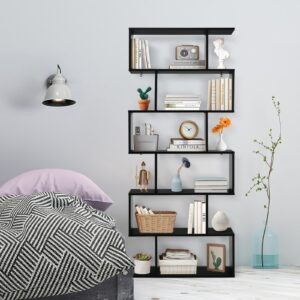
Ignoring vertical space. In Toronto condos with nine foot or higher ceilings, the wall space above furniture is an underused resource. A tall bookshelf, wall mounted shelving, or vertical art draws the eye upward and makes the ceiling feel higher and the room feel larger. A living room that stops at the five foot mark visually makes a nine foot ceiling feel lower than it is.
Browse the sofa collection at Furniture Flip for compact and apartment sized options that work in the layout configurations described above, and take a look at the coffee table collection for proportionate options suited to small Toronto condo living rooms.
How to Test a Layout Before You Buy Anything
Before committing to any piece of furniture for a small living room, tape out its footprint on your floor. Blue painter’s tape is ideal because it does not damage floors and is easy to see. Tape out the sofa dimensions, the coffee table, and any other pieces you are considering, then live with the tape outline for a day or two before buying anything.
Walk through the space as you normally would. Sit in the sofa position. Check the traffic clearances. See how the room feels with those proportions defined on the floor before they are defined by actual furniture. This takes twenty minutes and eliminates the most expensive furniture mistake most people make in a small living room.
For a detailed and professionally produced guide to furniture arrangement in small Toronto condo spaces, Kalligeorge Interiors’ small space solutions guide covers layout principles and before and after examples specifically from Toronto condo projects that are directly relevant to the configurations described in this post.
For additional layout inspiration and practical furniture scale guidance for small Canadian apartments, Zenlia’s furniture solutions guide for Toronto condo living rooms breaks down scale, light, and layout efficiency in a way that translates directly to real buying and arrangement decisions.
Take a look at these picks!