How to Furnish a Condo Living Room in Toronto Without It Feeling Crowded
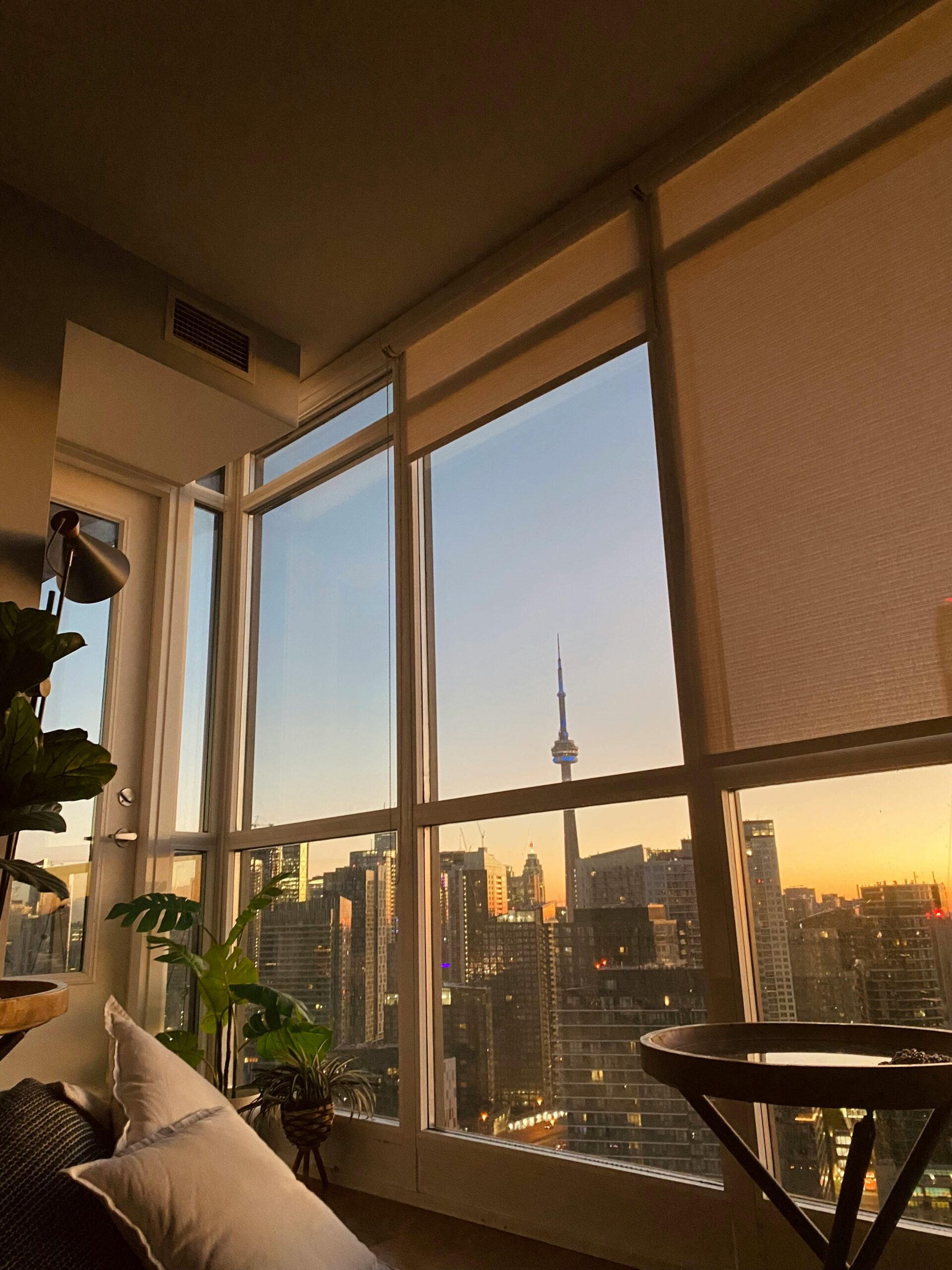
Toronto condo living rooms are not small because of bad design. They are small because land in this city is expensive and developers have to make the numbers work. The result is that hundreds of thousands of homeowners across the GTA are navigating living rooms that need to do a lot with not much space.
The mistake most people make is trying to furnish a condo living room the same way they would furnish a house. They buy pieces that are too large, crowd the space, and then wonder why the room never feels quite right.
This guide walks you through exactly how to approach a condo living room so it feels intentional, open, and finished rather than crammed and compromised.
Start With a Layout Plan Before You Buy Anything
The single most common and most expensive mistake in condo furnishing is buying furniture before settling on a layout. You see a sofa you love, you order it, and then you spend two weeks rearranging a room that was never going to work with that piece in it.
Before you spend a dollar, sketch your living room to scale on paper or use a free tool like Roomstyler or Planner 5D. Mark your windows, your balcony door if you have one, your kitchen opening, and any fixed features like columns or radiators. Then figure out where your sofa will anchor the space before selecting any other piece.
A carefully planned layout creates natural flow that transforms compact areas from cramped to comfortable, with defined zones that give purpose without adding walls. Open floor plan furniture arrangement is key to making the most of small living room layouts. Peaceofmindinteriors
In most Toronto condo living rooms, the sofa will anchor one wall and face either a TV unit or a window. Everything else flows from that anchor point.
The Furniture Rules That Apply Specifically to Condo Living Rooms
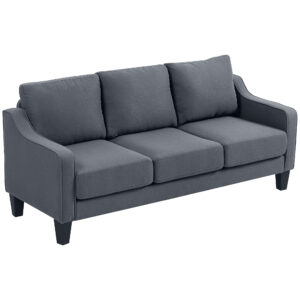
Keep your sofa under 84 inches wide. In a typical one or two bedroom Toronto condo living room, a sofa over 84 inches starts to dominate the wall and leaves little breathing room on either side. A compact two or three seater in the 72 to 84 inch range almost always looks more intentional and proportionate than a larger piece squeezed into the same wall.
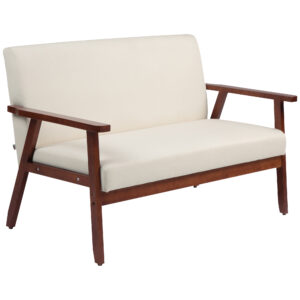
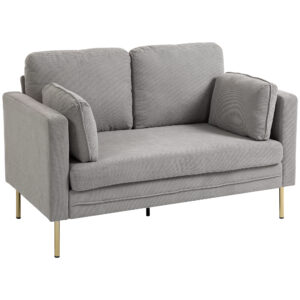
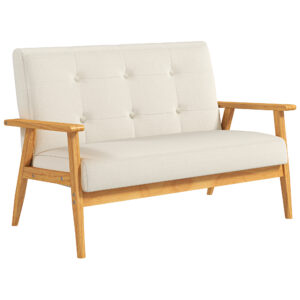
Choose furniture with exposed legs. Low profile furniture maintains sight lines across rooms, while pieces with exposed legs create visual lightness that makes spaces feel more open. This is one of the simplest and most effective rules in small space design. A sofa or chair sitting on legs lets the eye travel under and around the piece, which makes the room feel larger without changing a single dimension.
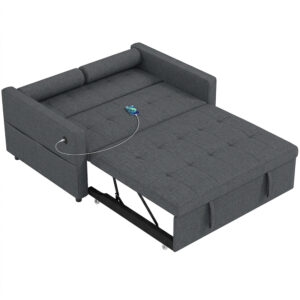
Multi functional pieces earn their place. A storage ottoman does not just hold throw blankets. It offers extra seating when guests visit and serves as a coffee table when needed. In a condo living room where every piece needs to justify its footprint, furniture that serves more than one purpose is always the smarter choice. Browse the ottoman collection at Furniture Flip for options that work as both a footrest and a surface, freeing up floor space you would otherwise spend on a dedicated coffee table. Peaceofmindinteriors
Float your sofa away from the wall. This sounds counterintuitive in a small room but it works. Pulling your sofa 6 to 12 inches away from the wall actually makes the room feel more spacious because it creates a sense of depth. Pushing furniture flat against every wall is a reflex response to small spaces but it tends to make rooms feel more institutional than homey.
Use a rug to define your living zone. In an open concept condo where the living room flows into the kitchen or dining area, a rug is one of the most powerful tools you have. It visually anchors the seating area and separates it from the rest of the space without any walls or dividers. Make sure the rug is large enough that at least the front two legs of your sofa sit on it. A rug that floats in front of the furniture without connecting to it looks unfinished.
How to Create Zones in an Open Concept Condo
Most Toronto condos built in the last 15 years are open concept, meaning the living room, dining area, and kitchen share one continuous space. This creates a challenge that does not exist in a traditional house layout: how do you make three distinct areas feel intentional when there are no walls separating them?
The answer is furniture placement and visual anchoring.
Your sofa effectively becomes a wall. Positioning it with the back facing the dining or kitchen area and the seating facing inward toward a TV or window creates a boundary between the living zone and the rest of the space. This is far more effective than pushing the sofa against the wall and leaving the centre of the room empty.
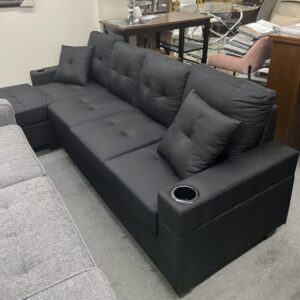
In open concept condos, modular sofas and sectionals can be rearranged to suit different needs, and storage ottomans help keep clutter out of sight while serving as functional surfaces. A small L shaped sectional or a sofa with a chaise can anchor a corner of an open plan layout very effectively while using space that would otherwise feel awkward and undefined. CityTowers Inc
Lighting also plays a zone defining role. A pendant light or floor lamp positioned over or beside the seating area creates a visual boundary that reinforces the living zone without any physical dividers.
What to Avoid in a Toronto Condo Living Room
A few patterns come up repeatedly in condo living rooms that do not quite work:
Buying a full size sectional for a room under 350 square feet. Sectionals are wonderful but they require space to breathe. A sectional that fills wall to wall and corner to corner will make even a well proportioned room feel like a showroom floor.
Skipping the rug because the floors are nice. Hardwood or laminate floors in a condo look great but without a rug anchoring your seating area the room will feel disconnected and unfinished regardless of how good your furniture is.
Using a coffee table that is too large. A coffee table should leave 12 to 18 inches of clearance between itself and the sofa. Many people buy coffee tables that are too wide for the room, which creates a cramped walkway that makes the space feel tight even when the overall layout is sound.
Filling every surface. Great design is not about square footage, it is about wise choices. A condo living room with three carefully chosen pieces and breathing room between them will always feel more elevated than one crammed with items that individually might look good but collectively overwhelm the space.
The Pieces Your Condo Living Room Actually Needs
You do not need much to make a condo living room feel complete and well designed. The core list is shorter than most people expect:
A sofa sized correctly for the room. A coffee table or ottoman that provides surface and storage. A rug large enough to anchor the seating area. A side table or two for lamps and practical use. One quality light source beyond the overhead fixture.
That is genuinely it for the foundation. Everything else is layering. Once those five pieces are right, the room will feel finished and you can add or adjust from there.
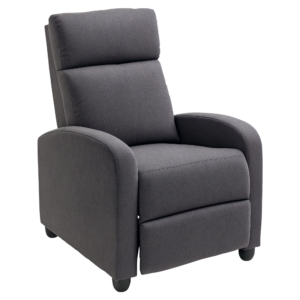
Browse the full seating collection at Furniture Flip to find sofas, chairs, and ottomans sized and styled specifically for condo and apartment living across Canada.
For additional layout inspiration specific to Toronto condos, the design resource library at Peace of Mind Interiors offers a detailed small condo design guide put together by a Canadian interior design firm with specific experience in GTA condo projects.
The Bottom Line
A Toronto condo living room does not need to feel like a compromise. It needs to be approached differently than a house living room. Get the layout right first, choose pieces that are proportionate to the space, use furniture that earns its place by doing more than one job, and resist the instinct to fill every corner.
Done right, a smaller living room can feel more intentional and more designed than a large one. The constraint forces the good decisions that bigger spaces let you avoid.
Take a look at these picks!