Best Wardrobes for Small Bedrooms With No Closet Space in Canada
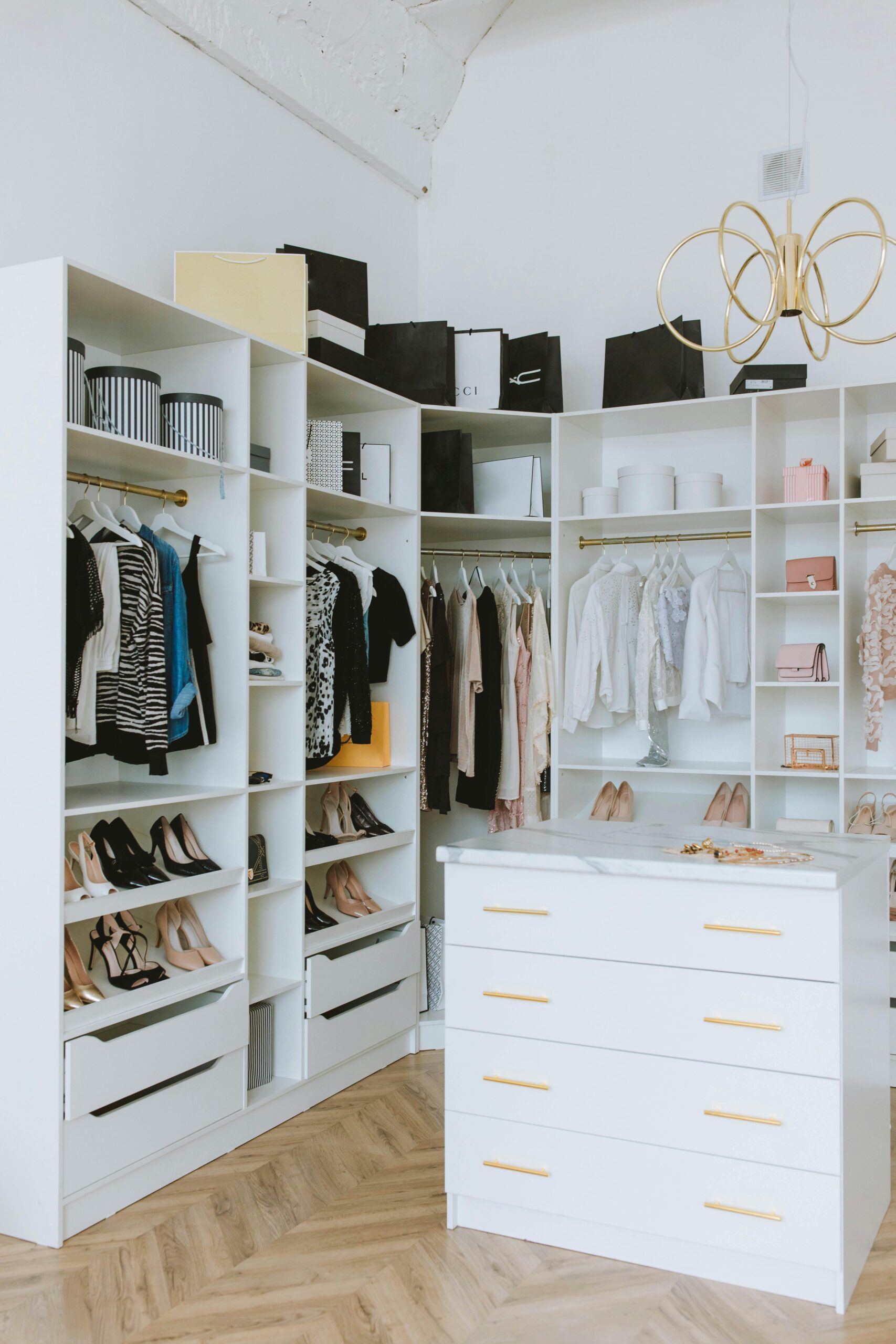
A bedroom without a built in closet is more common in Canadian apartments and older homes than most people expect. Basement suites, heritage buildings, and smaller purpose built apartments frequently have no dedicated closet at all, or a closet so small it cannot handle a full wardrobe. The solution is a freestanding wardrobe, and choosing the right one for a small bedroom requires thinking carefully about dimensions, interior configuration, and the way the piece interacts with the rest of the room.
Why Vertical Storage Is the Starting Point
The most important principle for a small bedroom without a closet is to go vertical before you go wide. A tall wardrobe that reaches close to ceiling height gives you the same or more storage capacity as a wider and shorter dresser while occupying a fraction of the floor space. In a room where every square foot of floor matters, that trade is almost always worth making.
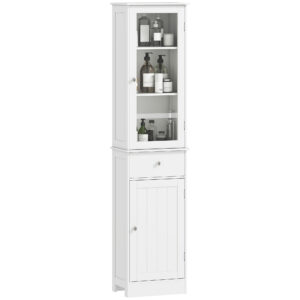
A wardrobe in the 70 to 80 inch height range with a footprint of 18 to 24 inches deep and 30 to 48 inches wide is the practical target for most small Canadian bedrooms. That dimension range gives you hanging space, shelf space, and sometimes drawer space within a footprint that does not dominate the room. Browse the wardrobe collection at Furniture Flip for tall and narrow options suited to Canadian bedrooms without closet space.
Single Door vs Double Door Wardrobes
The door configuration of a wardrobe affects both the interior capacity and the floor clearance required to use it comfortably. A single door wardrobe typically runs 24 to 32 inches wide and requires clearance in front equal to the door swing, usually 20 to 28 inches. A double door wardrobe runs 36 to 60 inches wide and requires the same clearance across a wider frame.
In a very small bedroom, a sliding door wardrobe eliminates the door swing clearance requirement entirely. The tradeoff is that sliding doors only expose half the interior at a time, which can make accessing items on one side awkward. For a bedroom under 120 square feet, a sliding door wardrobe is often the better choice simply because the floor space that a door swing would consume is genuinely needed elsewhere.
Interior Configuration: What Actually Matters
The interior layout of a wardrobe matters more than most buyers realize before they have lived with a poor one for several months. The most functional interior configuration for a small bedroom wardrobe combines a full length hanging section with a shelf section and at least two drawers or a dedicated bank of shelves.
Full length hanging accommodates dresses, coats, and suits without folding. A half height hanging section with shelves below it handles shirts, jackets, and folded items efficiently. Drawers inside the wardrobe replace what a separate dresser would otherwise need to provide, which is critical in a room without closet space where you are asking one piece to do the work of several.
If you regularly store seasonal items, a wardrobe with a top shelf above the main hanging section is worth prioritizing. That shelf handles bedding, luggage, or off season clothing that would otherwise require its own separate storage solution in the room.
What to Avoid in a Small Bedroom
Avoid wardrobes with decorative details that add visual bulk without adding function. Thick crown moulding, heavy hardware, and deep panel doors all make a wardrobe read as heavier and larger than its actual dimensions suggest. In a small bedroom, a wardrobe with clean lines, simple hardware, and a finish close in tone to the walls reads as lighter and less imposing even at the same physical size.
Avoid going too narrow in pursuit of saving floor space. A wardrobe under 24 inches wide does not provide enough hanging clearance for most garments without them getting crushed against the sides. The minimum practical interior hanging width is 22 inches, and 26 to 30 inches is significantly more functional once you are using the piece daily.
For a broader view of what furnishing a small Canadian bedroom typically costs including wardrobes and storage, Surplus Furniture’s Canadian apartment furnishing guide has realistic budget breakdowns worth reviewing before you start comparing specific pieces.
Placement That Makes the Room Work
Where you place a wardrobe in a small bedroom affects the feel of the room as much as the wardrobe itself. The most common and functional placement is along the wall opposite the bed or along the wall adjacent to the entry door. Both placements keep the wardrobe visible but out of the primary sightline from the bed, which prevents the piece from dominating the room visually.
Avoid placing a large wardrobe on the same wall as the window if possible. A tall piece blocking natural light makes a small bedroom feel darker and smaller than it is. If the window wall is the only available option, choosing a wardrobe in a lighter finish helps offset the shadow effect.
For layout strategies that apply directly to small Canadian bedrooms and how to make freestanding storage work without a built in closet, Arrow Furniture’s Toronto condo shopping guide covers placement and configuration approaches worth reading before you finalize your decision.
Pairing the Wardrobe With Other Storage
A single wardrobe handles most clothing storage but rarely handles everything in a no closet bedroom. A compact chest of drawers, under bed storage boxes, or over door organizers extend your storage capacity without adding significant floor space. The goal is to keep horizontal surfaces like the top of the wardrobe clear of daily clutter, which is the single biggest factor in whether a small bedroom without a closet feels organized or chaotic.
Explore the storage furniture at Furniture Flip for dresser, chest, and wardrobe combinations that work together in small Canadian bedrooms without built in closet space.