Best Home Office Chairs in Canada for People Who Work From Home Full Time
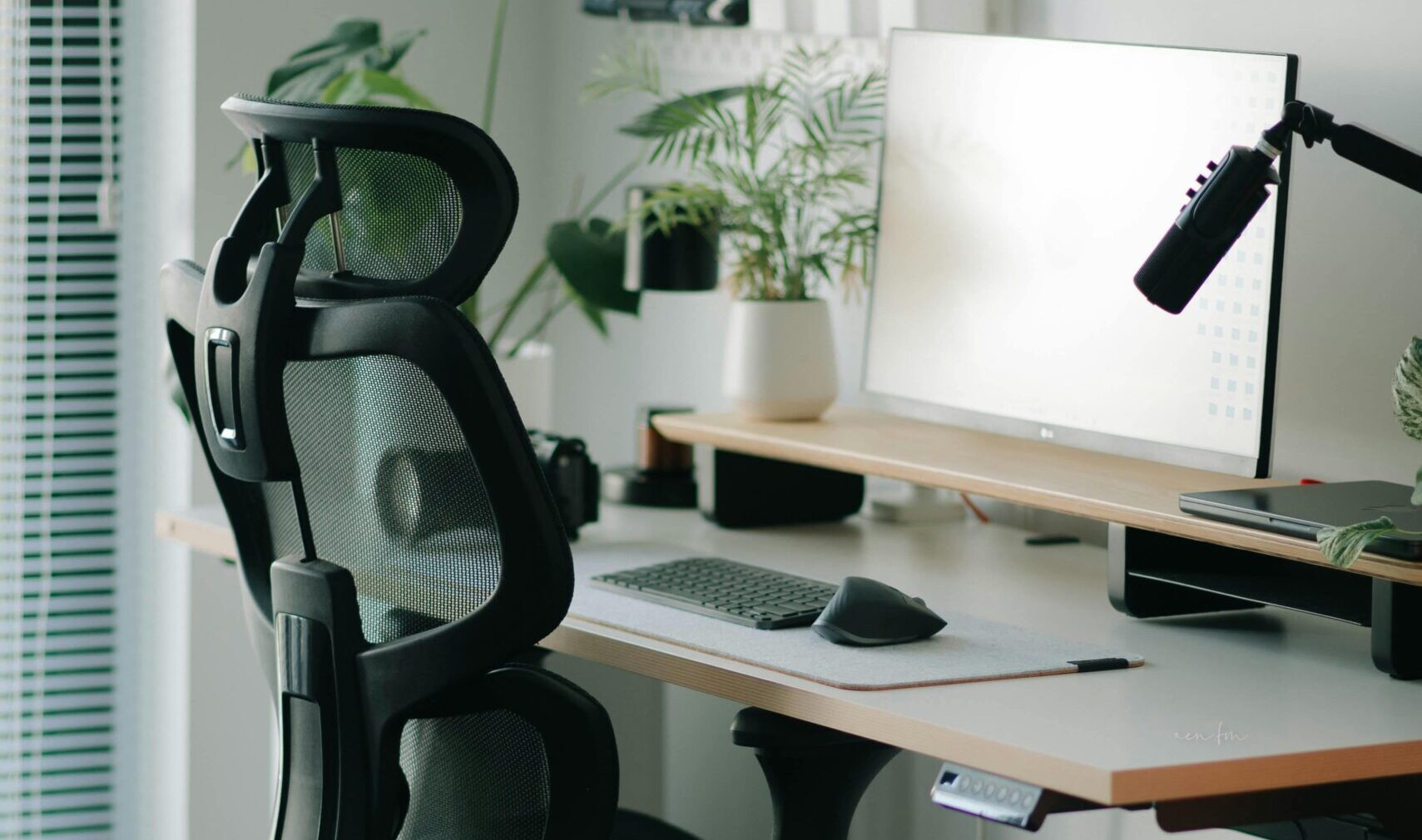
Most people spend more time in their office chair than on their couch, and somehow still treat it like an afterthought.
Then the back pain starts, posture gets worse, and suddenly a cheap chair doesn’t feel like a smart savings decision anymore. If you work from home full time, your chair is not optional comfort. It’s daily equipment.
This guide breaks down what actually matters when choosing a home office chair in Canada, and what people consistently get wrong.
Why Your Chair Matters More Than You Think
A bad chair doesn’t just feel uncomfortable. It slowly creates problems.
Poor lumbar support leads to slouching. Fixed armrests force awkward shoulder positions. Bad seat depth cuts off circulation in your legs. None of this shows up immediately, which is why people ignore it until it becomes a habit.
According to the Canadian Centre for Occupational Health and Safety proper chair ergonomics directly affect posture, circulation, and long-term musculoskeletal health. This isn’t a design preference. It’s basic function.
Lumbar Support Is Non-Negotiable
If your chair doesn’t support your lower back, nothing else matters.
Good lumbar support keeps your spine in a neutral position. Without it, your lower back collapses over time, especially during long work sessions.
Look for chairs with:
- Built-in lumbar curves or adjustable support
- Firm but not aggressive back pressure
- Full back contact when sitting upright
Most cheap chairs skip this entirely or fake it with a slight curve that does nothing.
Adjustability Is What You’re Actually Paying For
A chair that doesn’t adjust forces your body to adapt to it. That’s the opposite of what you want.
At minimum, your chair should allow:
- Seat height adjustment
- Armrest height adjustment
- Back tilt or recline tension
Higher quality chairs add seat depth adjustment and lumbar positioning, which make a noticeable difference if you sit for hours daily.
This ergonomic breakdown from: ergotron.com
Seat Depth and Width Actually Matter
People focus on backrests and completely ignore the seat.
If the seat is too deep, you can’t sit back properly without pressure behind your knees. Too shallow, and your legs aren’t supported.
You should be able to sit with your back against the chair and still have about 2 to 3 inches of space between the seat edge and the back of your knees.
Width matters too. You shouldn’t feel squeezed, but excessive width reduces arm support and stability.
Mesh vs Cushioned Chairs
This comes down to how you work and how long you sit.
Mesh chairs:
- More breathable
- Better for long hours
- Usually more ergonomic-focused
Cushioned chairs:
- Softer feel initially
- Better for shorter sessions
- Can retain heat over time
If you’re working full time from home, mesh tends to be the more practical choice. Comfort over eight hours matters more than how it feels in the first five minutes.
Don’t Ignore Build Quality
A chair gets used daily. Cheap materials don’t hold up.
Watch for:
- Weak plastic bases
- Thin padding that compresses quickly
- Loose armrests after a few months
A slightly higher upfront cost usually saves you from replacing the chair in a year.
Choosing the Right Chair for Your Setup
The best chair depends on how you work, not just how it looks.
If you’re working long hours, prioritize ergonomics and adjustability. If your workspace is smaller, look for a compact design that doesn’t overwhelm the room.
Browse options designed for Canadian home offices here: Furniture Flip Office Furniture
And if you’re building out your full setup, make sure your desk and chair work together: Office Furniture
The Bottom Line
A good office chair supports your body without you thinking about it. A bad one slowly creates problems you’ll have to fix later.
If you work from home full time, this is one of the few furniture decisions where cutting corners actually costs you more in the long run.
Buy based on function, not just appearance. Your back will notice the difference long before you do.