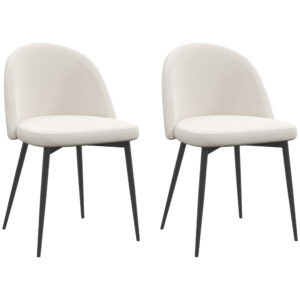
Local vs. Mass Produced Furniture: What You’re Really Paying For
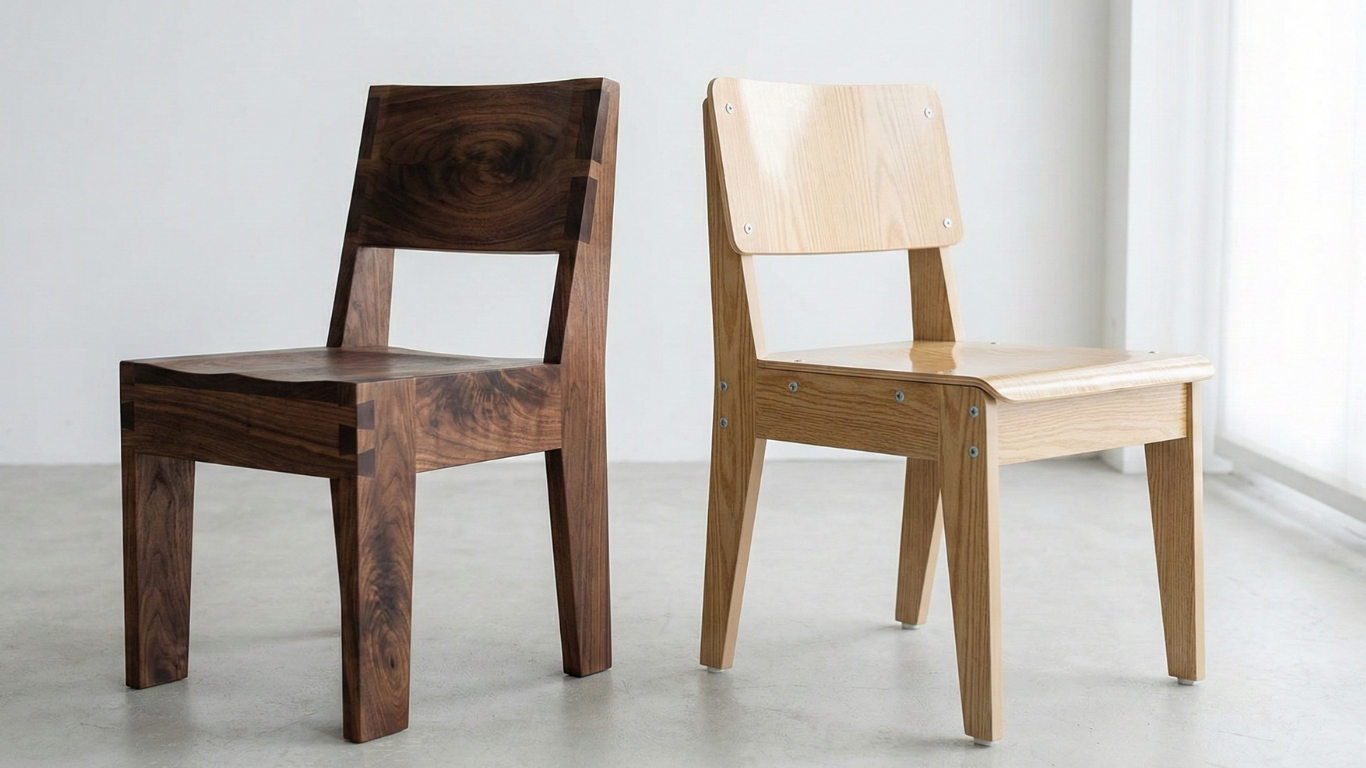
When purchasing furniture, the price tag is often the most visible factor. However, the differences between locally made or artisan furniture and mass produced, factory made pieces extend far beyond initial cost. Upfront price can obscure long-term considerations such as durability, comfort, repairability, and environmental impact. This post examines the factual differences in quality, materials, and long-term value between local and mass produced furniture.
Materials and Construction
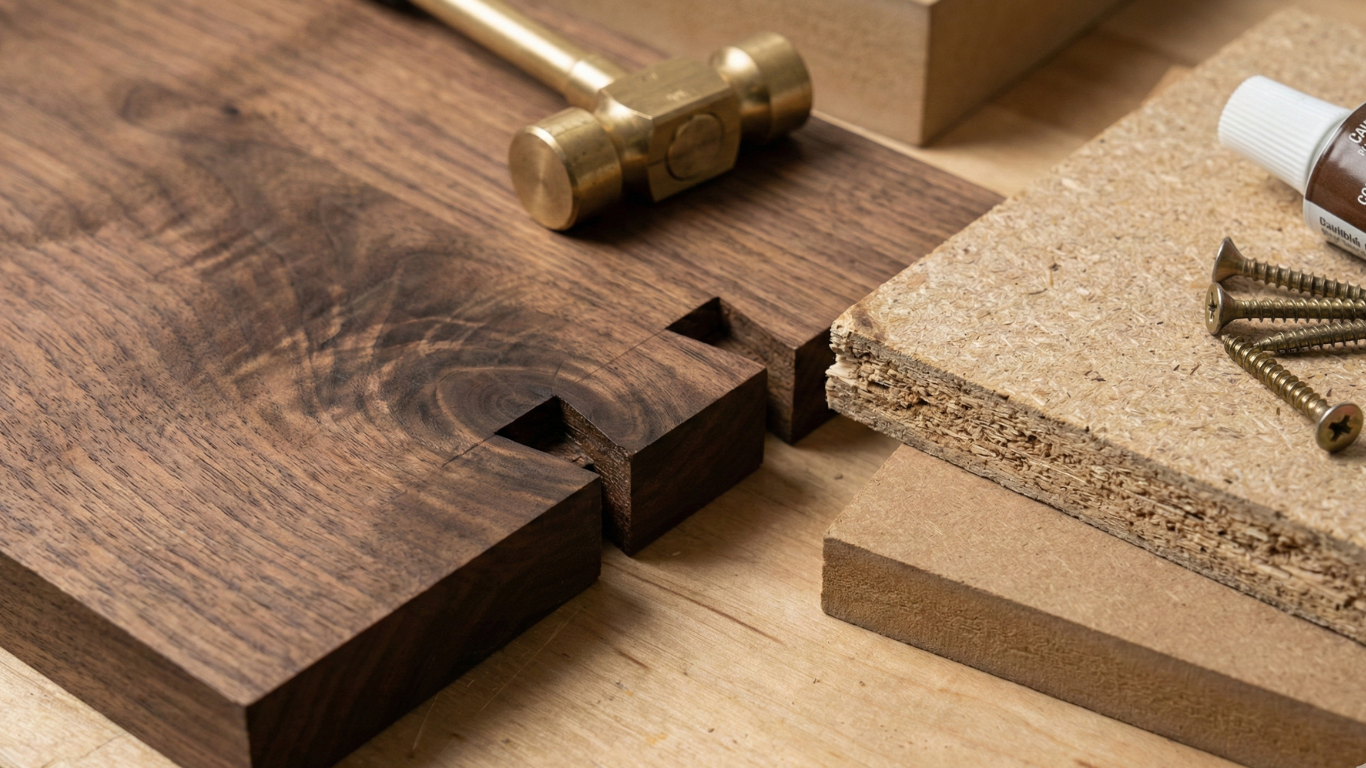
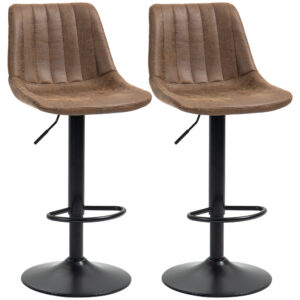
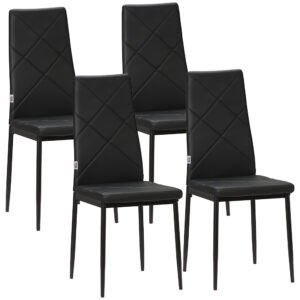
Mass produced furniture typically relies on engineered wood products such as particleboard, medium density fiberboard (MDF), or veneered plywood. These materials are cost effective and easy to manufacture at scale but degrade more rapidly than solid wood. According to industry analyses, particleboard and MDF are prone to swelling, chipping, and structural weakening over time.
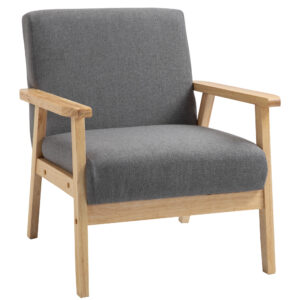
Locally made or artisan furniture generally utilizes solid hardwoods such as oak, walnut, or maple. These materials are inherently more durable, resistant to everyday wear, and can often be refinished or repaired, significantly extending the piece’s lifespan. Traditional joinery techniques such as dovetail or mortise and tenon joints are also more common in local craftsmanship, providing structural integrity that mass produced pieces rarely achieve.
Longevity and Long Term Value
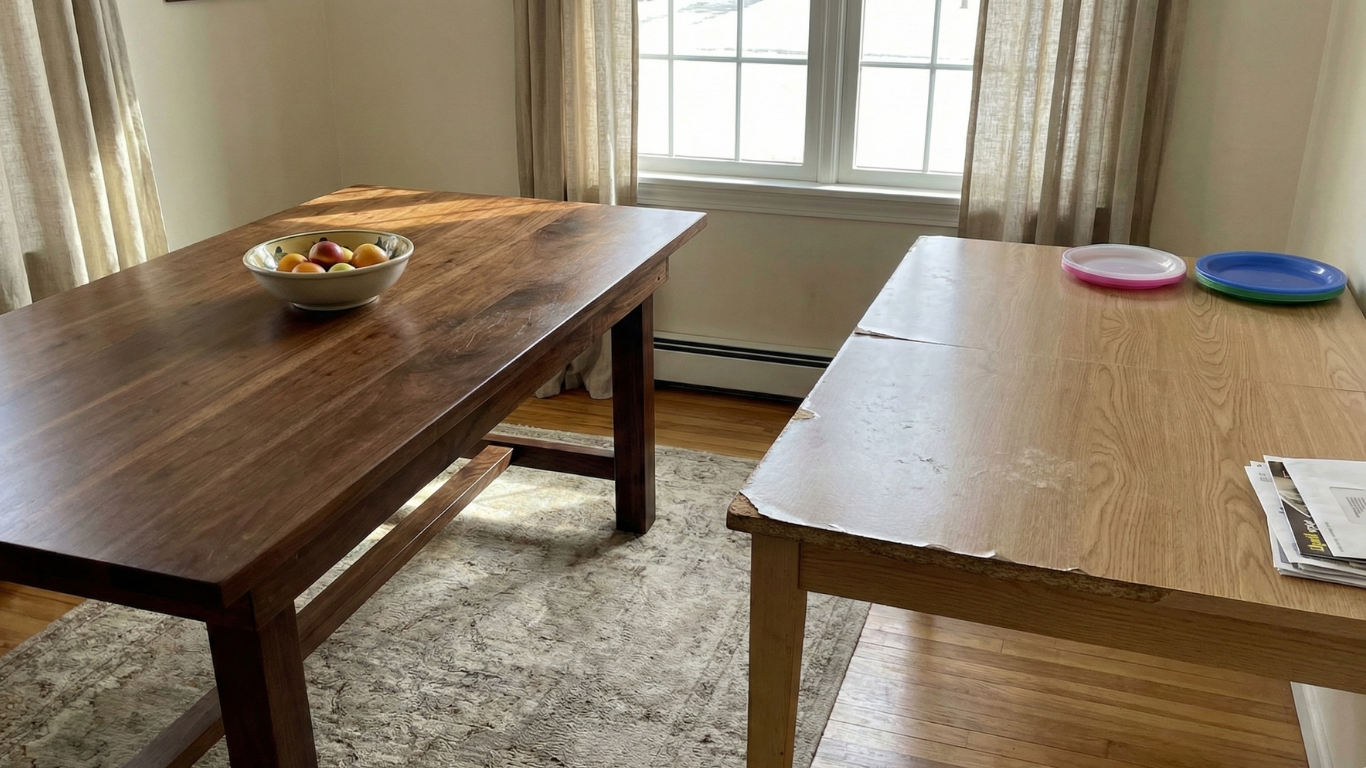
Mass produced furniture is generally designed for short-term use, with a lifespan of approximately five to ten years, depending on material and construction quality. Once such items are damaged for example, through warping, veneer peeling, or loose components, repair is frequently impractical, making replacement the only viable option.
In contrast, artisan or locally made furniture often lasts decades, sometimes even generations. Solid wood construction allows for refinishing, repair, or reupholstery, reducing the need for replacement and effectively lowering the cost per year of use. This longevity, combined with durable construction, provides measurable value over time compared to disposable alternatives.
Additional Considerations
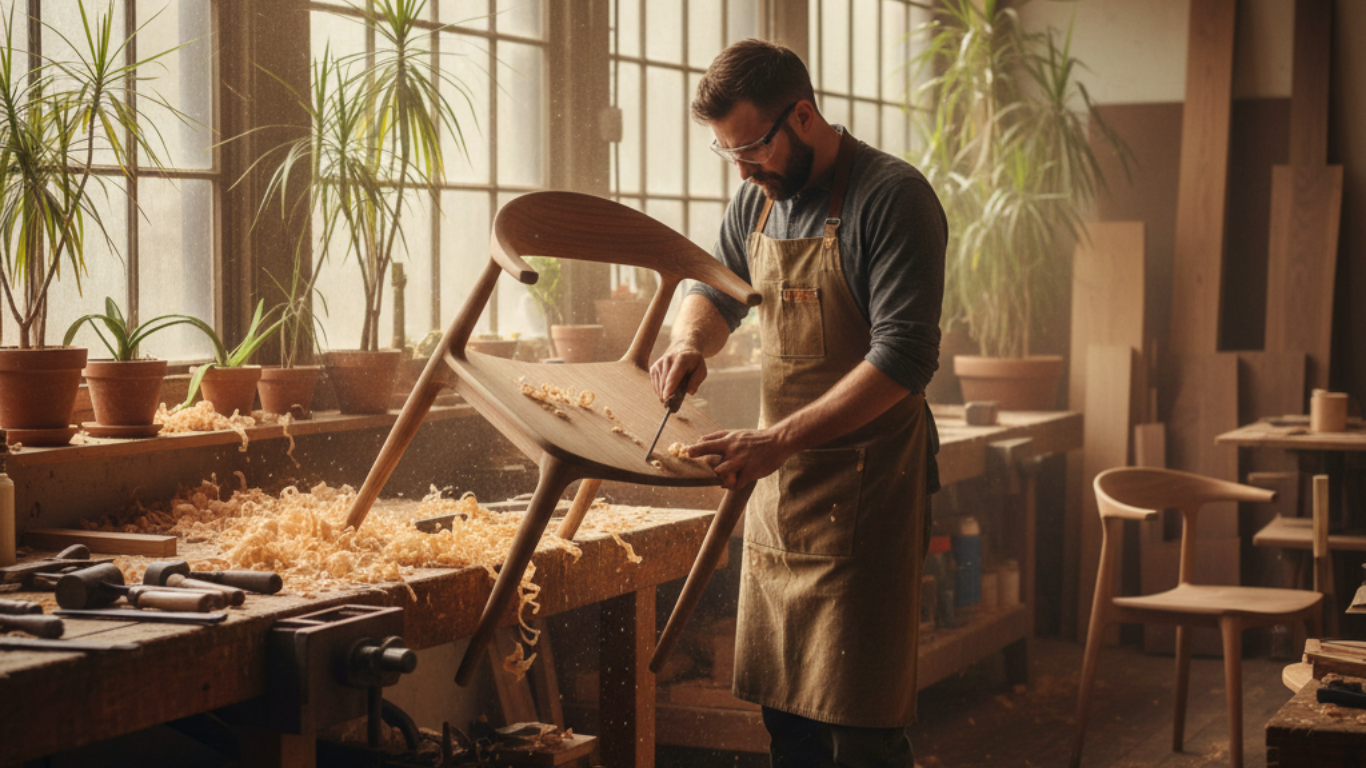
Environmental impact: Mass produced furniture often involves long supply chains, synthetic adhesives, and non-sustainable materials, increasing ecological cost. Local or artisan furniture typically has shorter supply chains, uses responsibly sourced materials, and produces less waste.
Uniqueness and customization: Mass produced items are uniform, whereas locally made pieces often incorporate unique design elements or allow customization to suit specific spaces and personal preferences.
Repairability: Mass produced furniture is often difficult or cost prohibitive to repair, while locally made pieces are designed to be maintained over time, further extending usability and preserving value.
Trade offs
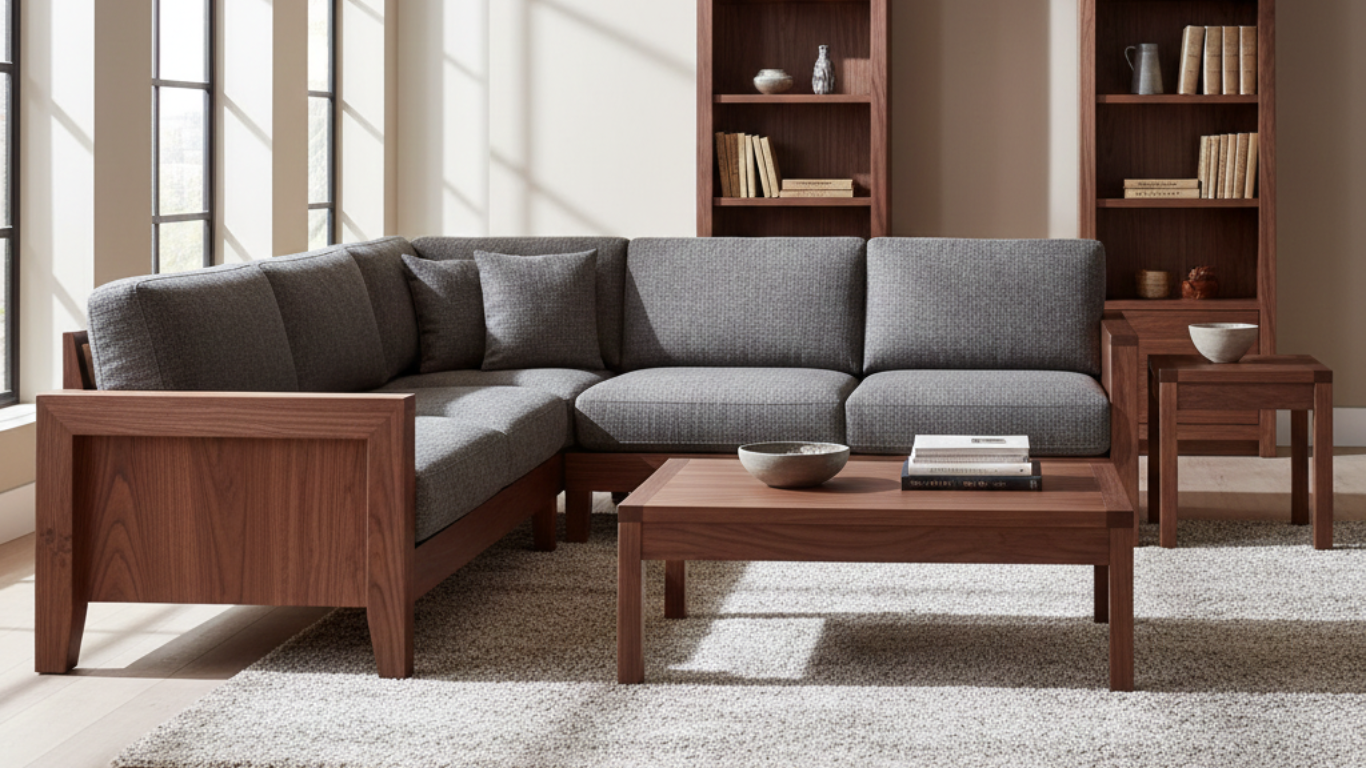
Purchasing local furniture does involve certain trade offs, including higher initial cost, limited selection, and potentially longer wait times due to custom production. Nevertheless, for buyers prioritizing durability, long term value, and environmental responsibility, these trade offs are outweighed by the benefits.
The true cost of furniture extends beyond the sticker price. Mass produced pieces may appear inexpensive initially but often incur higher long term costs due to limited lifespan, repair challenges, and lower durability. Locally made or artisan furniture requires a higher upfront investment but delivers superior longevity, adaptability, quality, and overall value.
For buyers using furnitureflip.ca, understanding these distinctions emphasizes the benefits of sourcing local, high quality furniture, ensuring investments in pieces that last and enhance the home environment over time.